
Apr . 16, 2026 02:15 Back to list
Benefits and Guide of Mineral Fiber Ceiling Board for Interiors
The Ultimate Guide to Mineral Fiber Ceiling Board for Modern Interiors
When designing a commercial or residential space, the ceiling is often an overlooked element, yet it plays a critical role in acoustics, thermal insulation, and overall aesthetics. The mineral fiber ceiling board has emerged as one of the most efficient and sustainable solutions for modern architecture. Engineered from a blend of mineral wool and other sustainable binders, these boards provide a seamless balance between functionality and style. In this comprehensive guide, we will explore why this material is the preferred choice for architects worldwide and how it can transform your indoor environment.
Exceptional Acoustic Performance of Mineral Fiber Ceiling Board
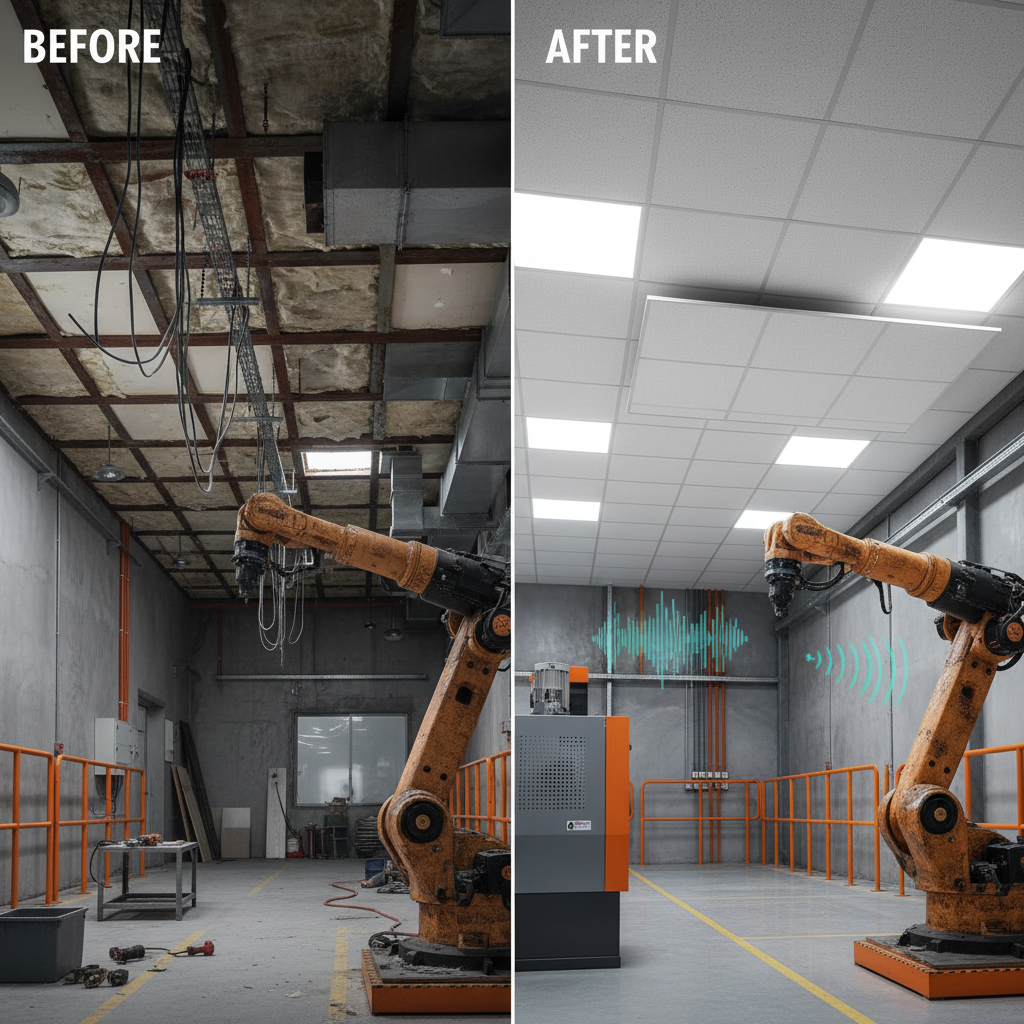
One of the primary reasons for choosing a mineral fiber ceiling board is its superior sound absorption capability. In environments like open-plan offices, hospitals, or schools, noise pollution can significantly hinder productivity and well-being. These boards are designed with a porous structure that traps sound waves, preventing them from bouncing back into the room. This reduces echo and reverberation, creating a quieter, more focused atmosphere. By integrating high-NRC (Noise Reduction Coefficient) materials, these ceilings ensure that conversations remain clear and ambient noise is kept to a minimum.
Acoustic Insight: High-density mineral fibers act as natural sound dampeners, making them ideal for high-traffic areas where acoustic control is non-negotiable.
Fire Resistance and Safety Standards
Safety is the cornerstone of any construction project. A premium mineral fiber ceiling board is inherently fire-resistant. Because it is composed of inorganic materials, it does not support combustion and does not emit toxic smoke when exposed to high temperatures. This characteristic is vital for meeting stringent building codes and ensuring the safety of occupants during emergencies. Whether it is a warehouse or a high-rise office, the non-combustible nature of these boards provides peace of mind and reduces insurance risks for property owners.
Comparing Mineral Fiber Ceiling Board to Other Materials
When deciding on a ceiling material, it is helpful to compare the mineral fiber ceiling board with common alternatives like gypsum or PVC. While gypsum is great for a smooth finish, it often lacks the acoustic properties and moisture resistance of mineral fiber. PVC is waterproof but performs poorly in terms of sound absorption and fire safety. Mineral fiber boards offer a "middle ground" that excels in performance across the board, especially in commercial settings where durability and health are prioritized.
Versatile Applications for Mineral Fiber Ceiling Board
The flexibility of the mineral fiber ceiling board makes it suitable for various settings. In corporate offices, they provide the necessary quiet for deep work. In healthcare facilities, their antimicrobial properties and ease of cleaning contribute to a hygienic environment. Even in retail stores, these boards allow for easy access to overhead electrical and plumbing systems due to the drop-ceiling installation method. This versatility ensures that regardless of the industry, the product can be tailored to meet specific operational needs.
Technical Specifications of Mineral Fiber Ceiling Board
To help procurement managers and engineers make an informed decision, it is essential to look at the technical data. A high-quality mineral fiber ceiling board is measured by its density, moisture resistance, and light reflectance. High light reflectance is particularly important as it maximizes the efficiency of indoor lighting, potentially reducing energy costs over time. Below are the typical specifications for our standard industrial-grade boards:
Sustainability and Environmental Impact
In an era of green building, the mineral fiber ceiling board stands out as an eco-friendly choice. Many of these boards are manufactured using recycled content, such as slag wool or recycled paper, reducing the reliance on virgin raw materials. Furthermore, their thermal insulation properties help maintain stable indoor temperatures, reducing the load on HVAC systems and lowering carbon emissions. Choosing mineral fiber is not just a design decision—it is a commitment to a more sustainable future for the construction industry.
Conclusion: Elevate Your Space with Mineral Fiber Solutions
The mineral fiber ceiling board represents the perfect intersection of performance, safety, and sustainability. From its unmatched acoustic properties to its robust fire resistance, it provides a comprehensive solution for any modern interior. By selecting a high-quality mineral fiber system, you are investing in a long-term asset that enhances productivity and ensures safety. Upgrade your ceilings today for a healthier, quieter, and more professional environment.
Frequently Asked Questions (FAQs)
How do I install a mineral fiber ceiling board?
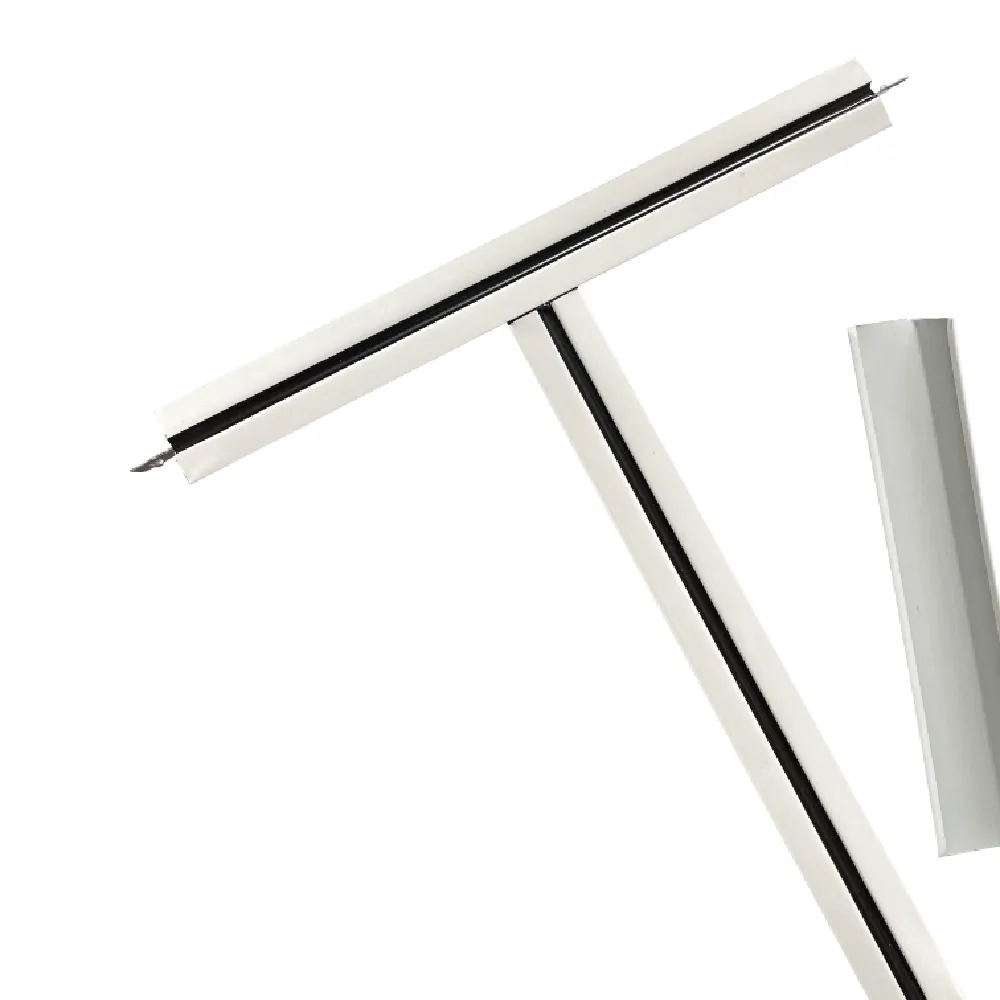
Installing a mineral fiber ceiling typically involves a suspended grid system. First, a perimeter angle is fixed to the walls, and main tees and cross tees are hung from the structural ceiling using galvanized wires to create a grid of squares or rectangles. The mineral fiber ceiling board is then simply dropped into these grids. This method is highly efficient and allows for easy removal of panels to access wiring or pipes above the ceiling.
Are these ceiling boards moisture-resistant?
Yes, many mineral fiber boards are treated with water-repellent additives during the manufacturing process. This prevents the boards from sagging or warping in humid conditions. While they are not suitable for direct exposure to water (like in a shower area), they perform exceptionally well in kitchens, basements, and humid office environments. Always check the specific moisture resistance rating when ordering to ensure it meets your environmental requirements.
Can mineral fiber ceiling boards be painted?
While mineral fiber boards come in a standard professional white, they can be painted if a specific color scheme is required. However, it is important to use a light-bodied paint and apply it carefully. Over-painting or using heavy paints can clog the porous surface of the board, which significantly reduces its sound-absorbing capabilities. We recommend testing a small sample area first to ensure the finish and the acoustic performance remain intact.
How long do these ceiling boards typically last?
With proper installation and maintenance, a mineral fiber ceiling board can last for 15 to 20 years. They are highly durable and resistant to pests. The only common reason for replacement is aesthetic updates or physical damage from leaks. Because of the grid system, individual damaged tiles can be replaced quickly without needing to tear down the entire ceiling, making it a very cost-effective long-term solution.
-
Modern Mineral Fiber Ceiling Solutions for Acoustic PerformanceNewsApr.09,2026
-
Mineral Fibre Board Ceiling vs Gypsum Board A Comprehensive Comparison GuideNewsApr.07,2026
-
Comprehensive Guide to Mineral Fiber Ceiling Specification and PerformanceNewsApr.04,2026
-
What Are Mineral Fiber Ceiling Tiles Made Of And Their ApplicationsNewsMar.31,2026
-
Exploring the Benefits of Suspended Mineral Fibre Ceiling Systems for Modern BuildingsNewsMar.28,2026