
Jan . 02, 2026 09:40 Back to list
Durable 60 x 60 Gypsum Ceiling Tiles for Commercial Spaces
Understanding 60 x 60 Gypsum Ceiling Tiles: Practical Insights from Industry Experience
Having spent more than a decade in the industrial equipment sector, I’ve seen ceiling materials come and go, but 60 x 60 gypsum ceiling tiles continue to impress me—not just for their functionality, but for the versatility they bring to commercial and institutional spaces.
These tiles, sized at 600mm by 600mm (or roughly 2x2 feet for those more comfortable with imperial units), strike an interesting balance. They’re lightweight yet sturdy, affordable but with decent aesthetic appeal, and easy to install, which frankly saves a lot of headaches on crowded job sites.
One thing that often surprises newcomers to the field is how much attention needs to be paid to the materials used in these tiles. The gypsum core offers excellent fire resistance—a non-negotiable for most commercial builds—while the front surface typically has a painted finish or a specialty coating to reduce dust and improve sound absorption. You could say they’re kind of the silent heroes of ceiling solutions, quietly serving their purpose without much fuss.
From conversations with many engineers and architects, the appeal of 60 x 60 gypsum tiles isn’t only in their specs but also their ability to be customized. Colors, textures, edge designs—these design tweaks matter when the ceiling isn’t just about covering pipes and wiring but part of the room’s overall look. One smaller example that sticks with me: a school renovation where they switched to these tiles with an acoustic coating. Teachers noticed less classroom noise, and students seemed more focused. You don’t always get measurable results like that so visibly.
| Feature | Details |
|---|---|
| Dimensions | 600 x 600 mm (2' x 2') |
| Material | Gypsum core with painted or coated surface |
| Fire Rating | Class A fire resistance (varies by certification) |
| Thickness | Typically 8 mm - 15 mm |
| Sound Absorption | NRC up to 0.6 (depends on surface finish) |
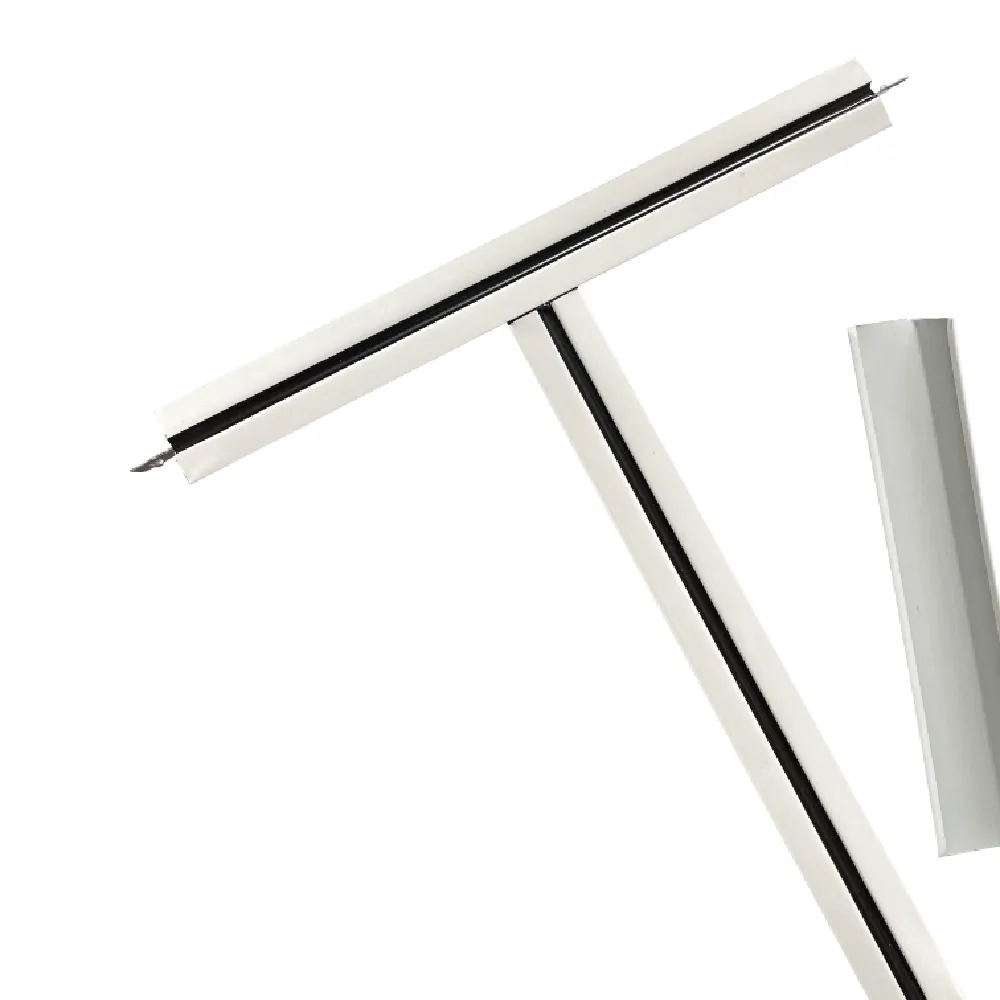
| Installation | Drop-in or fixed grid systems |
| Customization | Colors, textures, edge profiles available |
When sourcing these tiles, I’ve noticed that vendor differences can sometimes trip up buyers if they’re not careful. Pricing, delivery times, and product quality can vary widely—sometimes it’s the customer service that really makes the difference. To give a quick snapshot, here’s how a few popular suppliers stack up.
| Vendor | Price Range (per m²) | Lead Time | Customization Options | Customer Support |
|---|---|---|---|---|
| Xingyuan Ceilings | $12 - $18 | 2-3 weeks | Wide range of colors & textures | Responsive, technical support included |
| MetroCeil | $10 - $16 | 1-2 weeks | Limited textures, standard colors | Average |
| CeilPro | $15 - $20 | 3-4 weeks | Custom edges & acoustic finishes | High-quality support, on-site consulting |
Oddly enough, even with all the choices on the market, I often find myself steering clients toward Xingyuan Ceilings because they deliver that reliable mix of quality and flexibility. Plus, their customer service is just plain solid, which you can’t always say when you’re managing multiple contractors and timelines.
Installation is usually straightforward, but as anyone who has dealt with drop ceilings knows, careful measurement and prepping the grid system remain vital. I once saw a rush job where the grid was slightly off, and the tiles didn’t sit flush — a small issue, but it really changed the whole room’s look and made future maintenance a pain. Lesson learned: don’t cut corners.
60 x 60 gypsum ceiling tiles also score points for sustainability in many cases; the gypsum core is recyclable, and manufacturers increasingly use eco-friendly materials for the coatings. So if you’re specifying a ceiling tile with green building standards in mind, these tiles often tick those boxes.
In real terms, whether you’re outfitting a hospital, office, school, or retail space, these tiles offer a reliable ceiling solution that can quietly perform for decades—as long as you pick the right vendor and pay attention to your project details.
So next time you’re contemplating suspended ceiling options, I’d say give the humble 60 x 60 gypsum tile a second look. It feels like a tried-and-true choice that blends practicality with a little room for creativity. And that, in an industry full of compromises, is worth something.
References:
1. National Gypsum Technical Data Sheets
2. ASTM International Fire Resistance Standards
3. Case Studies in Acoustic Ceiling Design, Industry Journal 2022
-
Benefits and Guide of Mineral Fiber Ceiling Board for InteriorsNewsApr.16,2026
-
Modern Mineral Fiber Ceiling Solutions for Acoustic PerformanceNewsApr.09,2026
-
Mineral Fibre Board Ceiling vs Gypsum Board A Comprehensive Comparison GuideNewsApr.07,2026
-
Comprehensive Guide to Mineral Fiber Ceiling Specification and PerformanceNewsApr.04,2026
-
What Are Mineral Fiber Ceiling Tiles Made Of And Their ApplicationsNewsMar.31,2026
-
Exploring the Benefits of Suspended Mineral Fibre Ceiling Systems for Modern BuildingsNewsMar.28,2026