
Dec . 03, 2025 17:50 Back to list
Suspended Decorative Grids: Modern Ceiling Systems for Every Space | Xingyuan Ceilings
Understanding Suspended Decorative Grids: A Modern Solution for Versatile Spaces
Suspended decorative grids might sound niche, but they’re quietly transforming interiors worldwide—offices, retail, airports, you name it. At their core, these grids blend function and style, creating ceilings that balance practical needs like acoustic control and lighting integration with aesthetic appeal. Given how architecture increasingly champions sustainability and modularity, understanding suspended decorative grids has gained global importance. They’re not just ceiling solutions; they’re about enhancing environments that shape how we work, shop, or relax.
Global Context: Why Suspended Decorative Grids Matter Today
Across continents, suspended ceilings have evolved far beyond bare essentials. A suspended decorative grid system offers flexible design options, accommodates HVAC, lighting, and acoustic elements, while allowing easier maintenance access. According to the International Organization for Standardization (ISO 5660), ceiling systems can significantly impact fire safety and indoor air quality—critical factors in public buildings globally.
Frankly, the global building materials market is expanding rapidly; the World Bank anticipates a 5% annual growth in construction-related products through 2025. This boom underscores demand for adaptable, sustainable ceiling systems—precisely where suspended decorative grids shine by offering scalability and customization.
At the same time, urban densification and post-pandemic office redesigns push for flexible, modular interiors. Suspended decorative grids solve challenges like integrating technology invisibly and maintaining aesthetic flow without permanent construction.
What Exactly are Suspended Decorative Grids?
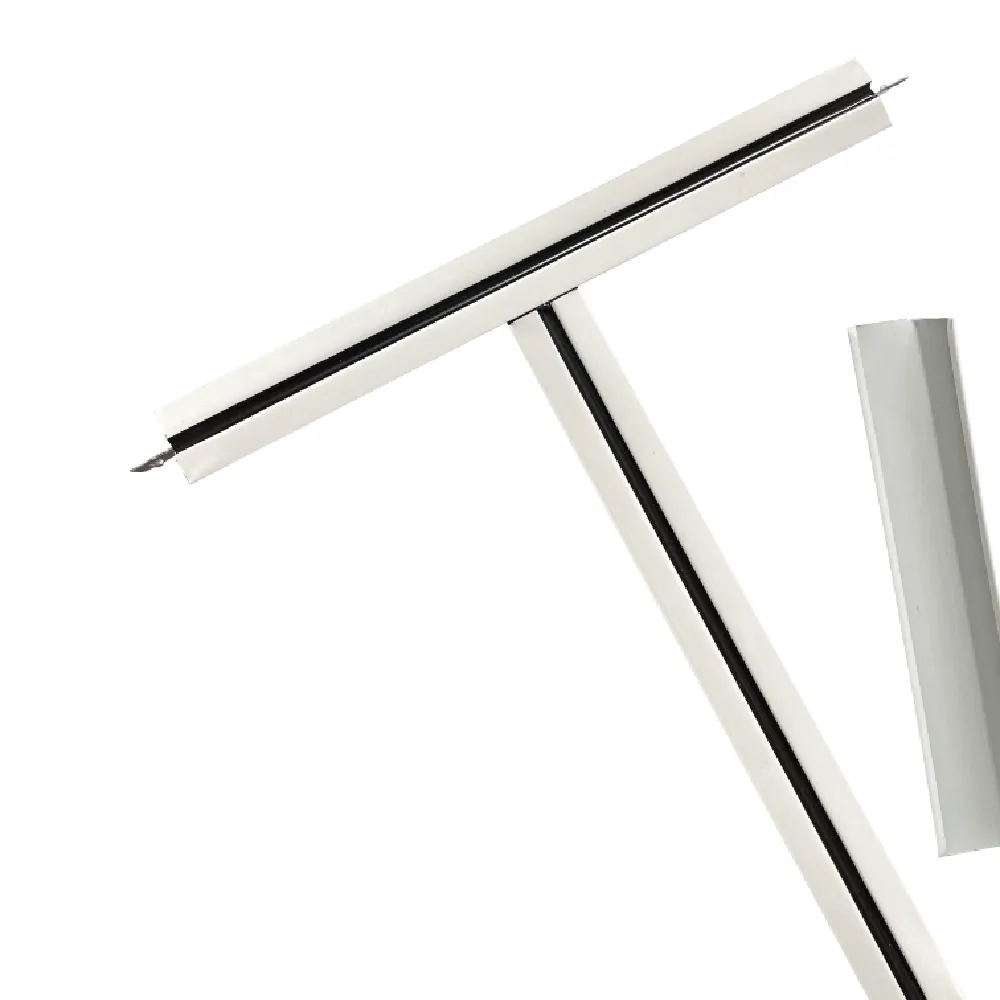
Simply put, suspended decorative grids are ceiling frameworks hung below the main structural ceiling, designed to hold tiles or panels that add both functional and visual value. They support materials that absorb sound, hide utilities, or showcase decorative finishes ranging from wood-look laminates to metal or perforated patterns.
These grids connect directly to modern building needs—providing quick installation, easy modification, and compliance with safety standards. They’re not limited to commercial spaces either; many humanitarian and industrial settings use them for rapid shelter setups or temporary installations where form and function matter.
Key Components and Factors of Suspended Decorative Grids
1. Durability & Material Quality
Materials vary from lightweight aluminum to galvanized steel, affecting lifespan and resistance to corrosion or fire. For example, metal grids can last decades with minimal maintenance, while polymer-based options resist moisture better in humid climates. You know, choosing the right material often feels like balancing budget against environmental exposure.
2. Aesthetic Customization
Suspended decorative grids offer extensive designs—from classic white grids to intricate perforations or wood grain finishes—making them as much an artistic element as a structural one. The ability to swap panels means spaces can evolve over time without costly renovations.
3. Acoustic Performance
Many grids accommodate acoustic tiles, improving sound absorption in noisy environments like open-plan offices or airports. This isn’t just for comfort but productivity and safety, reducing echo and noise pollution.
4. Installation Scalability
Modular design principles allow easy scaling—install a few hundred square feet or thousands without extensive structural changes. Suspended systems also ease integration with pipes, wires, and HVAC because they create accessible space above the ceiling.
5. Cost Efficiency
Compared to building robust fixed ceilings, suspended grids cut down material and labor costs while accelerating project timelines. Also, repair or replacement can be done panel by panel in live environments, minimizing downtime.
Global Applications & Use Cases
The versatility of suspended decorative grids explains their worldwide adoption. In Europe, many historic building refurbishments incorporate them to preserve architectural character while meeting modern codes. In Asia-Pacific’s booming commercial real estate, they streamline large-scale office and retail developments.
For instance, after wildfires in California, temporary community centers used modular suspended decorative grids for rapid interior assembly offering a sense of dignity and normalcy amid chaos. Similarly, high-tech factories in South Korea value these grids for easy access to overhead equipment and flexible lighting.
Oddly enough, even humanitarian NGOs experiment with these grids in semi-permanent emergency shelters, leveraging their lightweight and adaptable nature to foster comfortable community spaces.
Advantages & Long-Term Value
- Cost-Effectiveness: Reduces construction and maintenance expenses over time.
- Sustainability: Many grids are recyclable and compatible with green building certifications (think LEED, BREEAM).
- Safety & Compliance: Fire-resistant options and compliance with ISO standards ensure occupant safety.
- Emotional Impact: A well-designed ceiling can promote wellbeing, calmness, and inspire creativity.
- Flexibility: Future-proofs spaces to accommodate changing technologies or layouts.
Future Trends & Innovations
The future’s bright—literally. Suspended decorative grids are embracing LED lighting integration, smart sensor embedding, and even air-purifying panel finishes. A growing trend is using sustainably sourced bamboo or recycled composites to minimize environmental footprints.
Digital fabrication techniques like CNC cutting enable bespoke patterns matching corporate identities or cultural themes, enhancing brand storytelling through ceilings. Automation in installation and modular robot assembly may soon shorten build times further.
Challenges & Solutions
Despite their promise, suspended decorative grids face hurdles. Compatibility issues with older buildings, potential acoustic limitations if incorrectly specified, and upfront investment costs can deter some projects.
However, emerging BIM (Building Information Modeling) tools and precise CFD (Computational Fluid Dynamics) simulations are helping architects plan integration better. Plus, new bonding adhesives and clip systems speed up installation, addressing labor shortages.
Product Specification Table
| Product Name | Material | Tile Size | Acoustic Rating | Fire Rating | Weight per m² |
|---|---|---|---|---|---|
| X-Grid Classic | Galvanized Steel | 600 x 1200 mm | NRC 0.65 | Class A | 4.5 kg |
| DecoLite Panel | Aluminum Alloy | 600 x 600 mm | NRC 0.75 | Class B | 3.2 kg |
| EcoWood Veneer | Sustainable Bamboo | 1200 x 1200 mm | NRC 0.55 | Class C | 2.8 kg |
Vendor Comparison Table
| Vendor | Range of Designs | Lead Time | Sustainability | After-sales Support |
|---|---|---|---|---|
| Xingyuan Ceilings | Extensive (customizable) | 3-4 weeks | High (LEED certified) | 24/7 phone & email support |
| CeilTec Solutions | Moderate (standard options) | 2-3 weeks | Medium (some recycled materials) | Business hours only |
| GreenGrid Innovations | Limited (focus on bamboo) | 4-6 weeks | Very high (100% eco-friendly) | Email support only |
Frequently Asked Questions About Suspended Decorative Grids
Q1: How do suspended decorative grids improve indoor acoustics?
These grids hold acoustic panels that absorb sound waves, reducing echo and ambient noise. In practical terms, this creates quieter and more comfortable environments—ideal in offices or conference centers. Panels can be selected specifically for sound absorption ratings (NRC) to match a space’s acoustic needs.
Q2: Are suspended decorative grids suitable for humid or outdoor environments?
Standard grids made of galvanized steel or aluminum tolerate humidity fairly well, but for outdoor or highly humid areas, materials like polymer or specially treated metals are preferred to avoid corrosion. Proper ventilation also plays a key role in longevity.
Q3: Can suspended decorative grids accommodate lighting and HVAC systems?
Absolutely. One strong advantage is that these grids create an accessible ceiling plenum space. Lighting fixtures, sprinklers, and vents can be integrated seamlessly, enabling easier maintenance and upgrades without dismantling entire ceilings.
Q4: How customizable are suspended decorative grids for branding or design?
Very customizable—manufacturers offer panels with different textures, colors, perforations, and finishes. Custom print or CNC-cut designs can express brand identity or create unique visual effects, making ceilings part of the space’s story.
Q5: What are typical maintenance requirements?
Maintenance is straightforward: panels can be individually removed for cleaning or replacement. Regular dusting or vacuuming extends life, and metal parts should be inspected periodically for damage or corrosion, especially in moist environments.
Conclusion & Call to Action
In an increasingly dynamic built environment, suspended decorative grids stand out as smart ceiling solutions—offering flexibility, aesthetics, and practical longevity. Their worldwide appeal, backed by innovation and sustainability trends, makes them worth considering for any project aiming to combine function with flair.
If you want to explore a variety of high-quality options and customize your suspended ceiling grids, visit our website. It’s a great place to start turning your design vision into reality.
In short, suspended decorative grids aren’t just ceilings — they’re ceilings with purpose and style.
References
-
Benefits and Guide of Mineral Fiber Ceiling Board for InteriorsNewsApr.16,2026
-
Modern Mineral Fiber Ceiling Solutions for Acoustic PerformanceNewsApr.09,2026
-
Mineral Fibre Board Ceiling vs Gypsum Board A Comprehensive Comparison GuideNewsApr.07,2026
-
Comprehensive Guide to Mineral Fiber Ceiling Specification and PerformanceNewsApr.04,2026
-
What Are Mineral Fiber Ceiling Tiles Made Of And Their ApplicationsNewsMar.31,2026
-
Exploring the Benefits of Suspended Mineral Fibre Ceiling Systems for Modern BuildingsNewsMar.28,2026