
Feb . 27, 2026 02:15 Back to list
Comprehensive Guide to Understanding Mineral Ceiling Tiles and Their Applications
Understanding Mineral Ceiling Tiles: A Comprehensive Guide
Mineral ceiling tiles are a popular choice for commercial and residential spaces, offering a blend of acoustic performance, aesthetic versatility, and cost-effectiveness. This article provides an in-depth look at mineral ceiling tiles, covering their composition, benefits, applications, installation, and maintenance. We'll explore the various options available and help you determine if a mineral ceiling is the right solution for your project. Choosing the right ceiling material impacts everything from sound control to the overall look and feel of a space.
What are Mineral Ceiling Tiles Made Of?
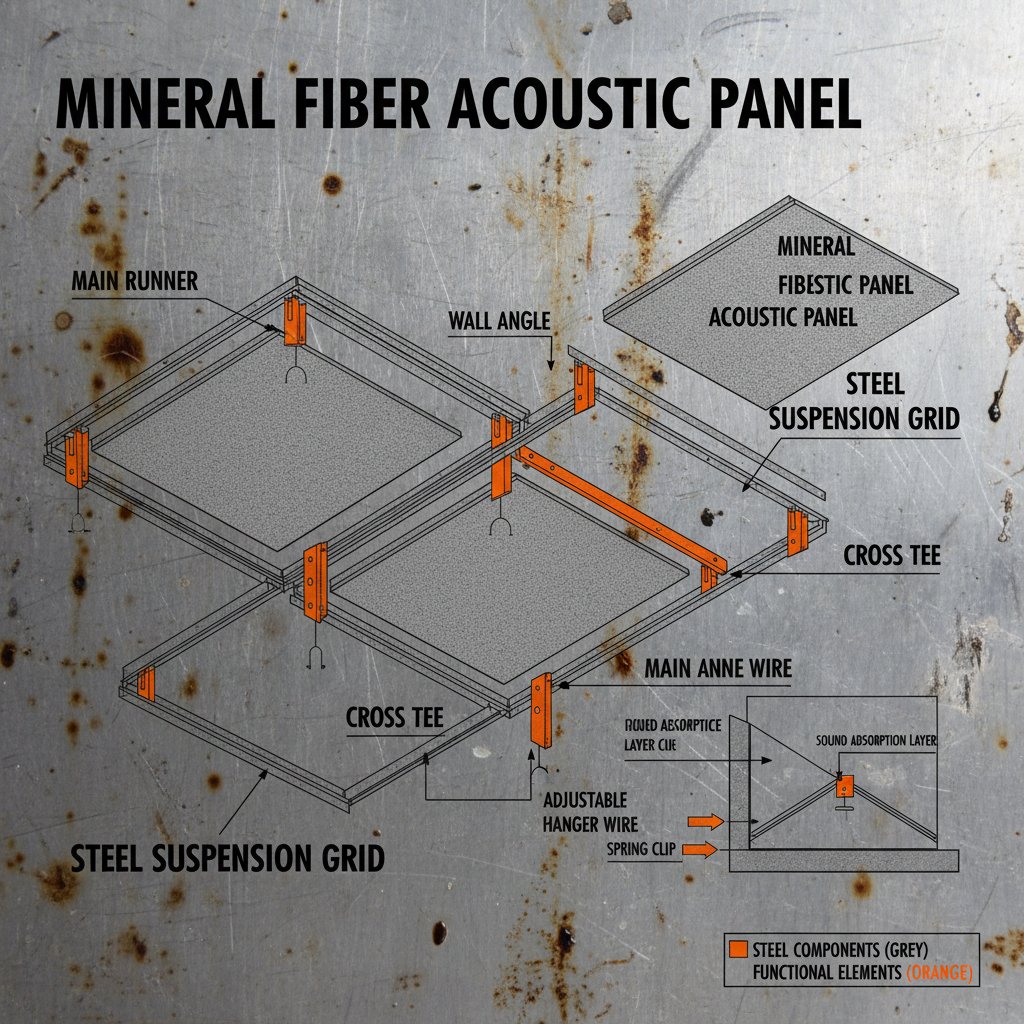
Mineral ceiling tiles are primarily composed of mineral wool – a material made from molten rock or slag spun into fine fibers. This mineral wool is then combined with binders, clay, and sometimes cellulose fibers to create a dense, stable tile. The resulting material boasts excellent sound absorption properties and is inherently fire-resistant. Different manufacturing processes and varying ingredient ratios influence the tile's density, texture, and performance characteristics. The addition of recycled content is becoming increasingly common, enhancing the sustainability of these products. Xingyuan Ceiling provides a wide range of mineral ceiling solutions to meet diverse needs.
Key Composition Elements: Mineral wool (rock or slag), binders, clay, cellulose fibers (optional), recycled content.
The Benefits of Choosing Mineral Ceiling Tiles
Mineral ceiling tiles offer a compelling array of benefits, making them a popular choice for various applications. Their superior acoustic performance significantly reduces noise levels, creating a more comfortable and productive environment. They are also inherently fire-resistant, providing an important safety feature. Mineral tiles are relatively lightweight, simplifying installation. Furthermore, they are available in a wide range of textures, patterns, and sizes, offering considerable design flexibility. They are also cost-effective compared to some other ceiling materials, making them an attractive option for budget-conscious projects.
Key Benefits:
• Excellent Acoustic Performance
• Fire Resistance
• Lightweight and Easy Installation
• Design Versatility
• Cost-Effective
Mineral Ceiling Tiles vs. Other Ceiling Materials
When considering ceiling materials, it's important to compare mineral tiles with alternatives like gypsum board, fiberglass, and metal. Gypsum board is less expensive but offers poorer acoustic performance and isn’t inherently fire-resistant. Fiberglass tiles offer comparable sound absorption but can be more fragile. Metal ceilings are durable and aesthetically modern but are more costly and offer little acoustic benefit unless paired with acoustic panels. Mineral tiles strike a balance, offering a good combination of performance, cost, and aesthetic options. Xingyuan Ceilings helps customers assess the best options for their specific needs.
Applications for Mineral Ceiling Tiles
Mineral ceiling tiles are widely used in various settings. Common applications include offices, schools, hospitals, retail stores, and conference rooms. They are particularly well-suited for spaces where noise control is critical. Their clean aesthetic also makes them a good choice for areas where visual appeal is important. Different tile sizes and designs can be used to create a variety of looks, from modern and minimalist to more traditional and ornate. Xingyuan Ceilings offers solutions for both standard and custom applications.
Installation and Maintenance of Mineral Ceiling Tiles
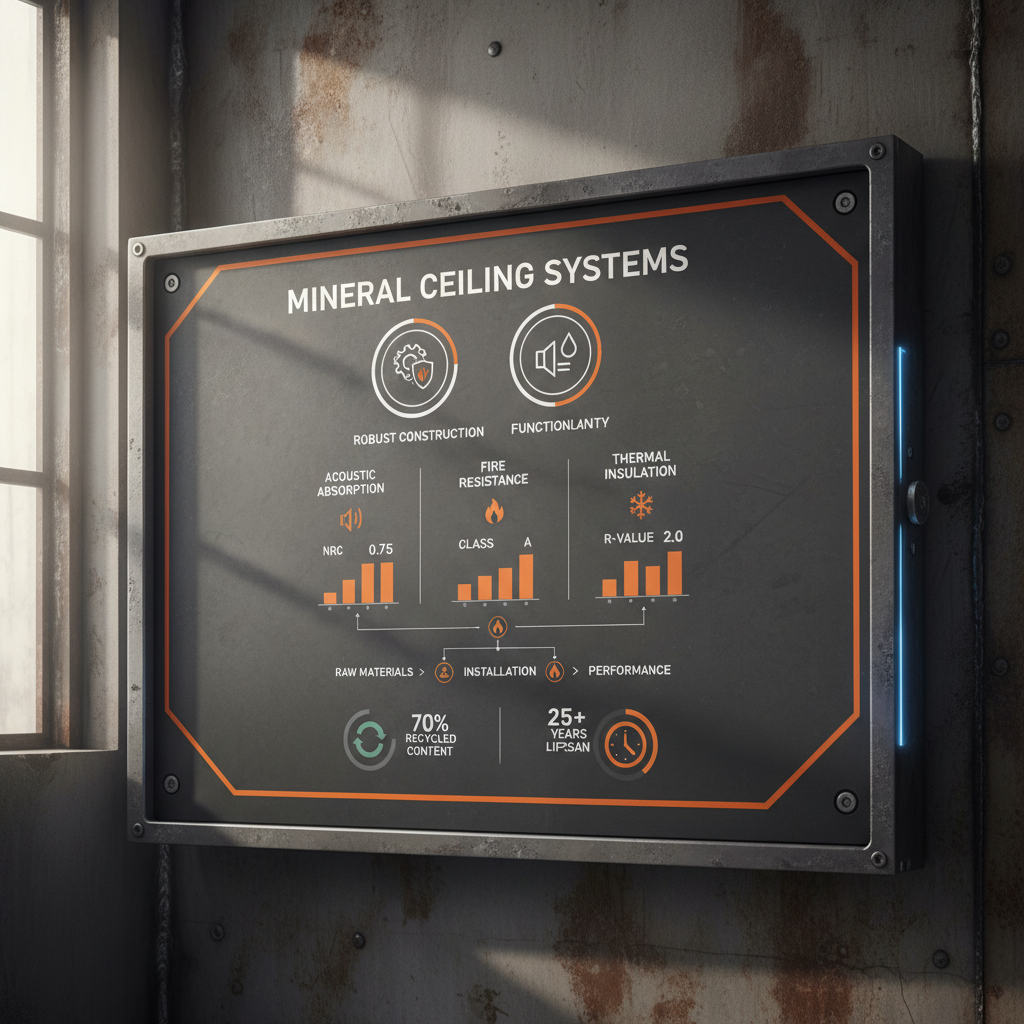
Installing mineral ceiling tiles is typically a straightforward process, often involving a suspended grid system. The tiles are simply dropped into the grid, ensuring a snug fit. Maintenance is minimal; occasional dusting or vacuuming is usually sufficient. Avoid using harsh cleaning chemicals, as these can damage the tile surface. In the event of a damaged tile, replacement is easy and inexpensive. It’s important to choose a qualified installer to ensure proper installation and optimal performance. Xingyuan Ceiling offers installation guides and support.
Conclusion: Choosing the Right Mineral Ceiling Tiles
Mineral ceiling tiles offer an excellent combination of performance, aesthetics, and affordability. By understanding their composition, benefits, and applications, you can make an informed decision for your next project. Xingyuan Ceilings provides high-quality mineral ceiling solutions tailored to meet your specific needs. Invest in a comfortable, quiet, and visually appealing space with the right mineral ceiling tiles.
Frequently Asked Questions (FAQs)
What is the NRC rating of your mineral ceiling tiles?
The Noise Reduction Coefficient (NRC) rating measures a material’s ability to absorb sound. Our mineral ceiling tiles have NRC ratings ranging from 0.50 to 0.70, depending on the specific product. Higher NRC ratings indicate better sound absorption. This makes our tiles an excellent choice for spaces where noise control is a priority, such as offices, classrooms, and recording studios. We provide detailed NRC specifications for each product on our website.
Are mineral ceiling tiles moisture resistant?
While mineral ceiling tiles aren't waterproof, they possess a degree of moisture resistance. They can withstand normal humidity levels without significant degradation. However, prolonged exposure to excessive moisture can lead to sagging or mold growth. We offer specific tile options with enhanced moisture resistance for areas prone to higher humidity, such as bathrooms and kitchens. Proper ventilation is crucial for maintaining the longevity of your ceiling tiles.
Can mineral ceiling tiles be painted?
Yes, mineral ceiling tiles can be painted, but it's important to use the correct type of paint. We recommend using a latex-based paint specifically designed for acoustic ceilings. Avoid using oil-based paints, as they can damage the tile surface and reduce its sound absorption properties. Always apply a primer before painting to ensure proper adhesion and a uniform finish. Check the product specifications for specific painting recommendations.
How do I clean mineral ceiling tiles?
Cleaning mineral ceiling tiles is generally straightforward. Regular dusting with a soft brush or vacuum cleaner with a brush attachment is usually sufficient. For more stubborn stains, you can gently wipe the tiles with a damp cloth and mild detergent. Avoid using abrasive cleaners or excessive water, as this can damage the tile surface. Always test any cleaning solution in an inconspicuous area first.
-
Benefits and Guide of Mineral Fiber Ceiling Board for InteriorsNewsApr.16,2026
-
Modern Mineral Fiber Ceiling Solutions for Acoustic PerformanceNewsApr.09,2026
-
Mineral Fibre Board Ceiling vs Gypsum Board A Comprehensive Comparison GuideNewsApr.07,2026
-
Comprehensive Guide to Mineral Fiber Ceiling Specification and PerformanceNewsApr.04,2026
-
What Are Mineral Fiber Ceiling Tiles Made Of And Their ApplicationsNewsMar.31,2026
-
Exploring the Benefits of Suspended Mineral Fibre Ceiling Systems for Modern BuildingsNewsMar.28,2026