
Jan . 05, 2026 03:45 Back to list
Gridstone Gypsum Ceiling Panels – Durable & Cost-Effective Ceiling Solution
Gridstone Gypsum Ceiling Panels: A Practical Choice for Modern Commercial Spaces
Having been around industrial equipment and building materials for over a decade, I've seen plenty of ceiling solutions come and go. Oddly enough, gridstone gypsum ceiling panels have quietly carved out a solid niche. They combine practicality with just enough aesthetic flexibility to work beautifully in commercial and institutional settings. It feels like they strike that balance between utility and style rather well.
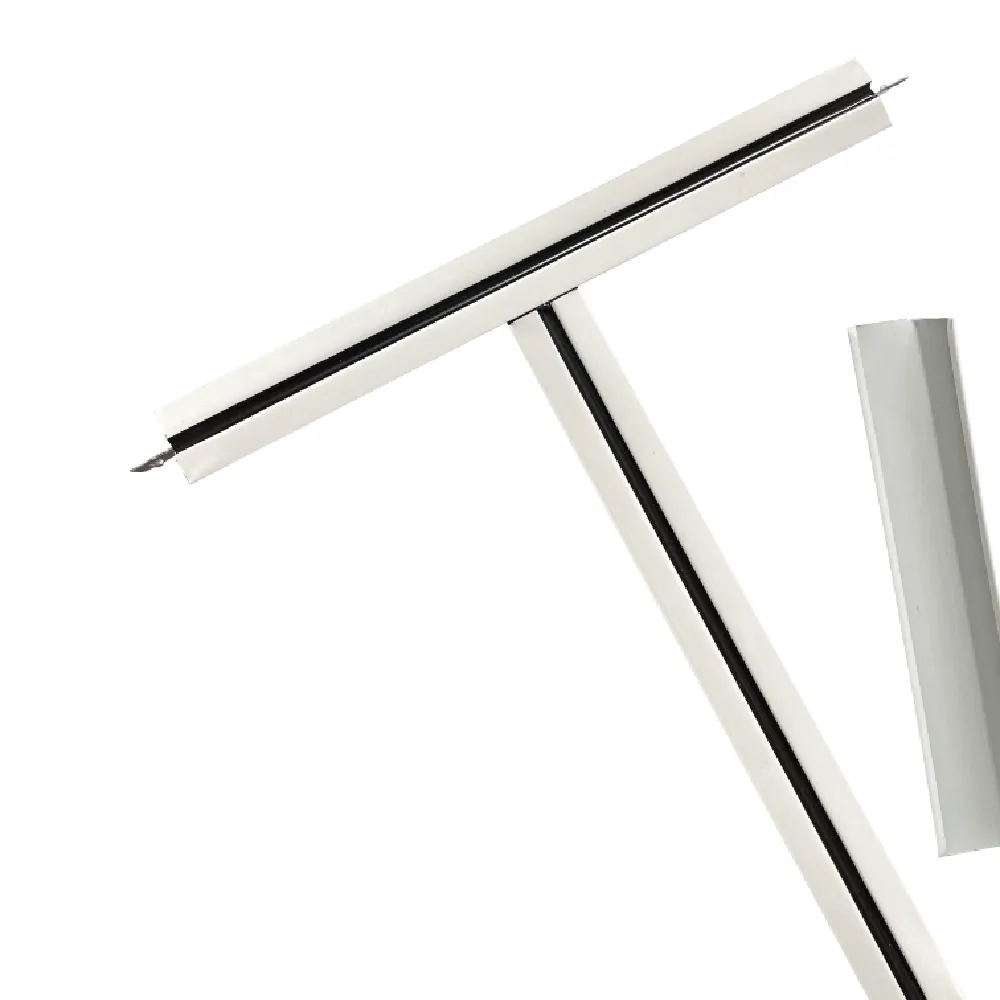
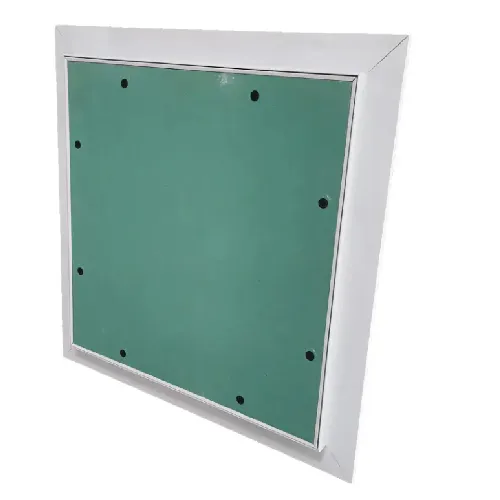
For those not familiar, gypsum ceiling panels are made primarily from calcium sulfate dihydrate—the stuff that forms natural gypsum rock. Gridstone panels take that classic material and shape it into standardized modular tiles that fit snugly into suspended grid ceilings. Frankly, the beauty lies in the simplicity. They’re lightweight yet sturdy, which makes installation pretty straightforward — a welcome relief on any jobsite.
You might wonder about durability, especially in industrial zones where moisture or humidity can be an issue. Well, many gridstone gypsum panels feature moisture-resistant core additives or special surface coatings. I've noticed that this really reduces the risk of sagging or warping over time. And it's not just wet areas; these panels also provide decent fire resistance, which is a non-negotiable in commercial codes nowadays.
One thing many engineers and architects appreciate is the acoustic performance. While not exactly a concert hall solution, in real terms, gridstone gypsum panels absorb a fair amount of sound. That helps lower noise levels in offices, schools, and hospitals. Personally, I’ve seen meeting rooms feel a tad less echoey once switched out with these panels — an unexpected, but very welcome upgrade.
Customization options do exist, though they’re kind of limited compared to high-end architectural panels. Colors are mostly whites and off-whites, occasionally light grays. Surface textures range from smooth to lightly textured, helping to mask imperfections above the tile. If a project demands deeper customization, you may need to look elsewhere. Yet, the price point and performance balance usually justify their selection.
Here’s a quick specs overview of typical gridstone gypsum ceiling panels:
| Specification | Details |
|---|---|
| Panel Size | 600 x 600 mm (standard) |
| Thickness | 12mm - 15mm variants available |
| Weight | Approx. 4.5 – 5.2 kg per panel |
| Fire Rating | Class A (ASTM E84) |
| Moisture Resistance | Up to 95% RH with treated cores |
| Acoustic NRC Rating | 0.55 – 0.65 |
| Edge Type | Tegular and square edge options |
Comparing gridstone gypsum panels to competitors in the suspended ceiling market, it’s clear they’re often favored for their value. Here’s a vendor comparison I put together, based on common industry criteria:
| Feature | Gridstone Gypsum | Brand A - Mineral Fiber | Brand B - Metal Panels |
|---|---|---|---|
| Installation Ease | High - lightweight & modular | Medium - heavier, requires care | Medium - precision needed |
| Cost | $ (most affordable) | $$$ | $$$ |
| Fire Resistance | Class A | Class A | Class B to A, varies |
| Acoustic Performance | Moderate (NRC 0.6) | High (NRC 0.7-0.9) | Low to Moderate |
| Moisture Resistance | Treated cores option | Standard to treated | Poor |
| Aesthetic Flexibility | Limited textures/colors | Wide | High (custom finishes) |
For instance, I recall a medium-sized healthcare facility in the Midwest that recently switched from older mineral fiber panels to gridstone gypsum. They reported faster installation times and fewer callbacks for sagging or damage due to humidity fluctuations. That kind of feedback sticks with me — it’s practical evidence that these panels really hold up in challenging environments.
So, if you’re specifying ceilings for a project where cost-efficiency, moderate acoustics, and fire safety come first—not necessarily high style but reliable performance—these panels might end up becoming your go-to solution. They feel like the workhorse of the ceiling panel world.
And if you want to explore more details, check out gridstone gypsum ceiling panels directly from a trusted provider.
Reflecting on all this, it’s interesting how a product that many take for granted can quietly improve countless interiors. Sometimes, the best solutions aren’t flashy—they’re just dependable.
References:
1. ASTM International Fire Rating E84 Standards
2. Industry Acoustic Performance Guidelines (NAIMA)
3. Manufacturer technical datasheets, Xingyuan Ceilings
-
Benefits and Guide of Mineral Fiber Ceiling Board for InteriorsNewsApr.16,2026
-
Modern Mineral Fiber Ceiling Solutions for Acoustic PerformanceNewsApr.09,2026
-
Mineral Fibre Board Ceiling vs Gypsum Board A Comprehensive Comparison GuideNewsApr.07,2026
-
Comprehensive Guide to Mineral Fiber Ceiling Specification and PerformanceNewsApr.04,2026
-
What Are Mineral Fiber Ceiling Tiles Made Of And Their ApplicationsNewsMar.31,2026
-
Exploring the Benefits of Suspended Mineral Fibre Ceiling Systems for Modern BuildingsNewsMar.28,2026