
Jan . 27, 2026 21:45 Back to list
Xingyuan Snap Grid Ceiling System A Comprehensive Guide to Modern Interiors
Snap Grid Ceiling System: A Comprehensive Guide
When designing modern interiors, the ceiling often plays a crucial, yet understated, role. A well-chosen ceiling system can enhance aesthetics, improve acoustics, and provide easy access to services. The snap grid ceiling system offered by Xingyuan Ceilings is a popular choice for commercial and residential projects alike, valued for its ease of installation, flexibility, and appealing appearance. This article will explore the benefits, applications, and considerations when choosing a snap grid system. Choosing the right ceiling system is an important aspect of interior design, impacting both functionality and visual appeal. We’ll cover the key features that make Xingyuan’s systems a trusted choice.
Understanding Snap Grid Ceiling Systems
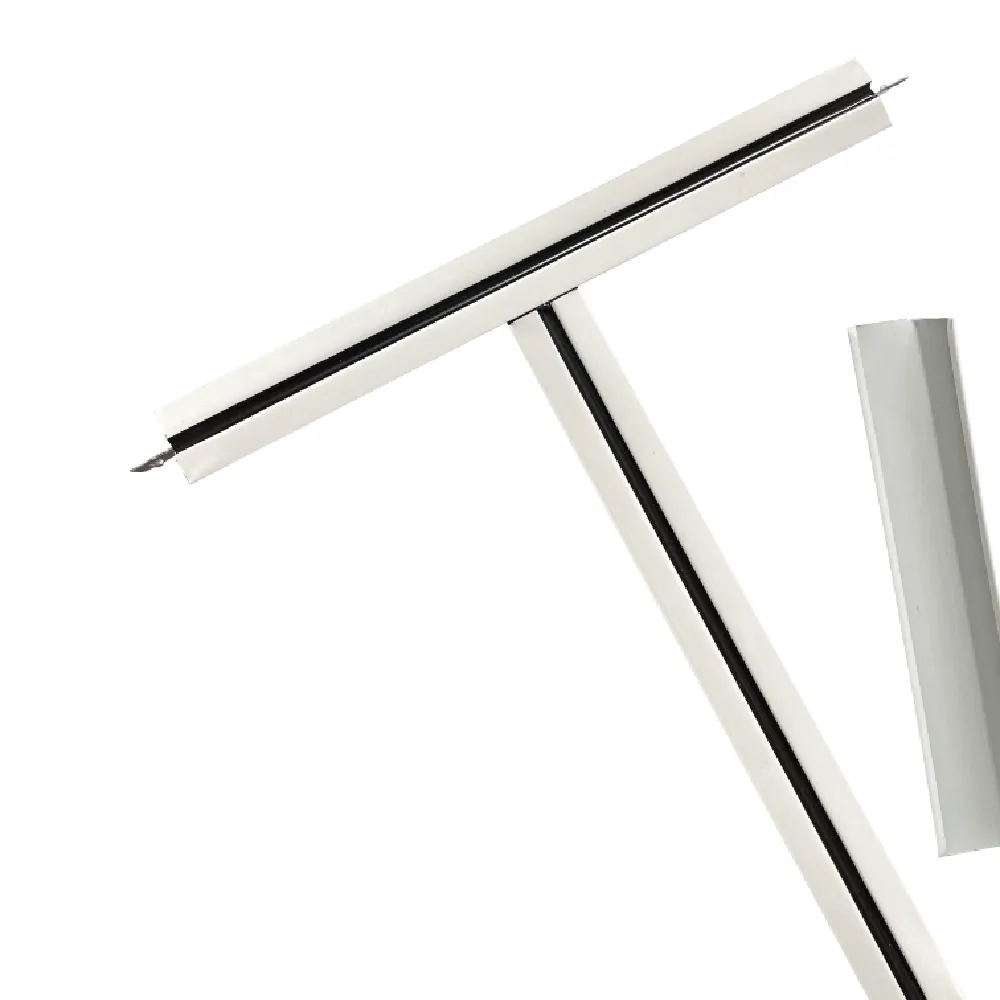
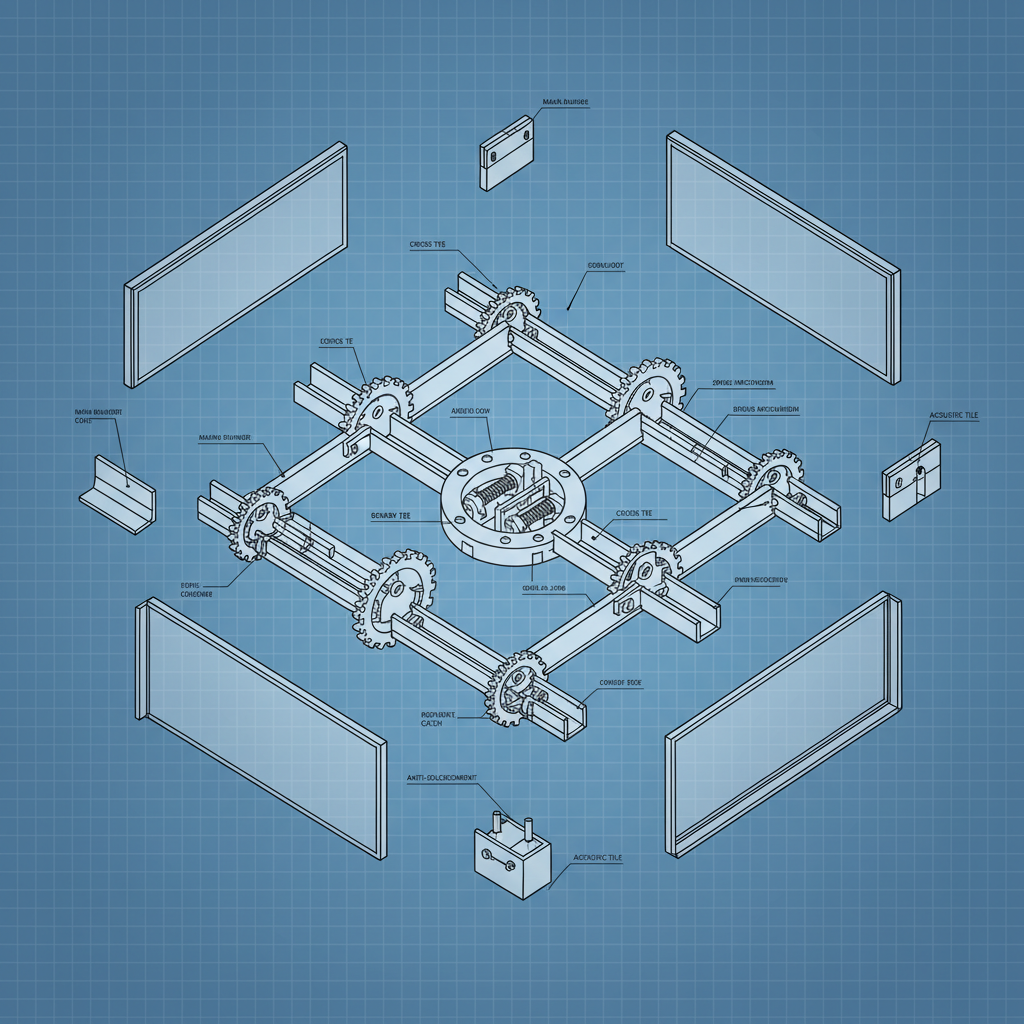
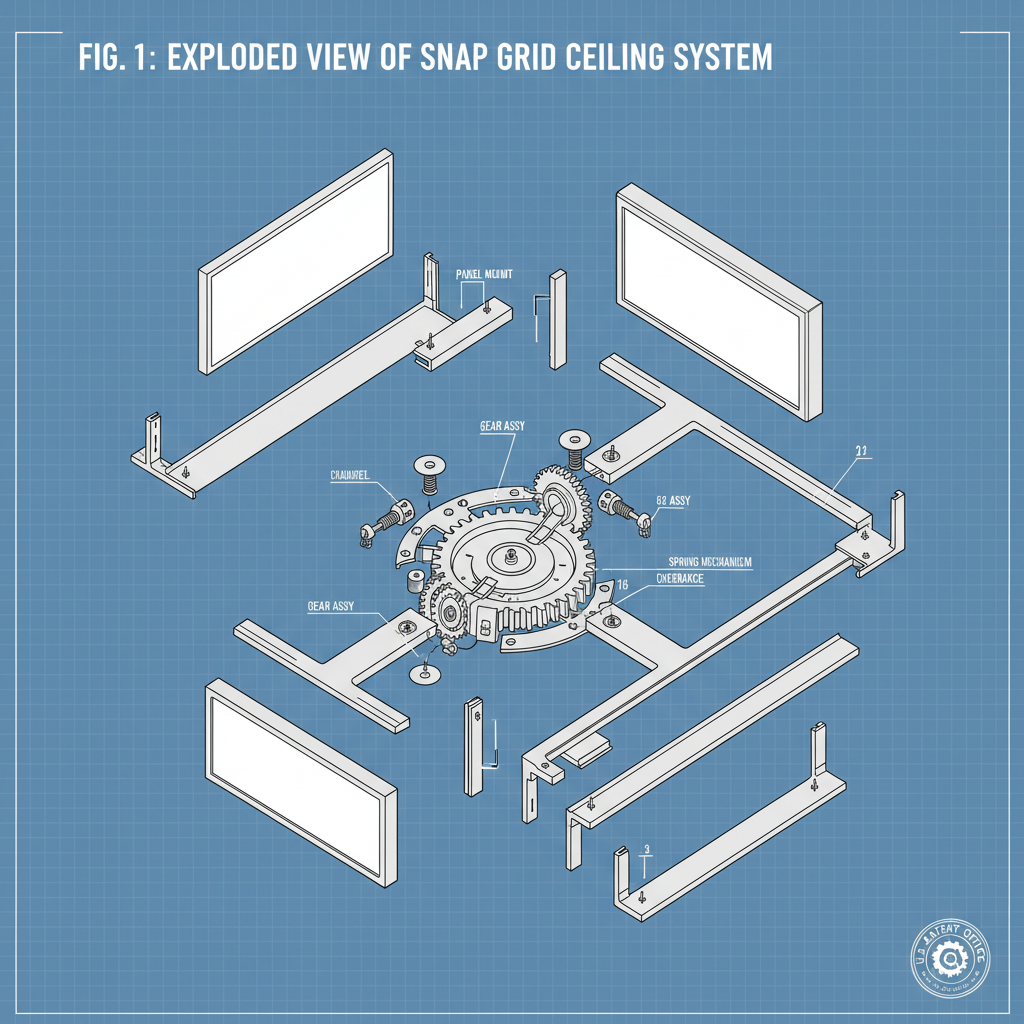
Snap grid ceiling systems, also known as demountable ceiling grids, consist of a grid of interconnected metal profiles (typically steel or aluminum) that create a framework for installing ceiling tiles or panels. Unlike traditional suspended ceilings that require extensive labor for tile replacement, snap grid systems allow for quick and easy access above the ceiling. This is particularly valuable in spaces where maintenance, repairs, or modifications to utilities are frequent. The 'snap' mechanism refers to the way the grid components connect, eliminating the need for complex tools or fasteners. Xingyuan Ceilings offers a wide range of snap grid systems designed to meet various project requirements, focusing on durability and ease of use.
Key Highlights: Easy access to ceiling plenum, quick installation, adaptable to various tile sizes, and durable construction.
Benefits of Choosing a Snap Grid Ceiling System
The advantages of implementing a snap grid system are numerous. Firstly, the speed of installation significantly reduces labor costs. Secondly, the accessibility it provides simplifies maintenance and renovations. This leads to long-term savings. Thirdly, the flexibility in tile selection offers a wide range of design possibilities. Xingyuan Ceilings’ systems are designed for optimal airflow and acoustic performance. They also cater to projects requiring moisture resistance, making them suitable for bathrooms, kitchens, and other high-humidity environments. The snap grid systems from Xingyuan Ceilings are particularly known for their consistent quality and robust construction.
Key Benefits:
• Reduced Installation Time
• Easy Access for Maintenance
• Design Flexibility
• Improved Acoustic Performance
Snap Grid Ceiling System vs. Traditional Suspended Ceilings
Comparing snap grid systems to traditional suspended ceilings reveals significant differences. Traditional systems often require specialized tools and more labor for tile replacement or access to the plenum. Snap grid systems offer a quicker, more convenient solution. Initial material costs may be slightly higher for snap grid systems, but the reduced installation time and long-term maintenance savings often offset this difference. The flexibility to easily reconfigure or update the ceiling is another significant advantage. Xingyuan's snap grid ceiling solutions excel in environments where adaptability and easy access are paramount.
Applications of Xingyuan’s Snap Grid Systems
Xingyuan Ceilings' snap grid systems are versatile enough for a broad range of applications. These include offices, retail spaces, educational institutions, healthcare facilities, and commercial buildings. They are particularly well-suited for projects requiring frequent modifications or access to ceiling-mounted services. The aesthetic possibilities are vast, with a variety of tile materials and finishes available to complement any interior design. From sleek, modern offices to functional, high-traffic retail environments, Xingyuan's systems deliver both style and performance.
Choosing the Right Snap Grid System: Key Considerations
Selecting the right snap grid system involves considering several factors. The span between supports, the weight of the ceiling tiles, and the desired acoustic performance are all crucial. It's also important to choose a system that complies with relevant building codes and fire safety regulations. Xingyuan Ceilings offers expert advice and technical support to help you select the optimal system for your specific project needs. They also provide comprehensive installation guides and ensure that all components meet stringent quality standards.
Conclusion: Elevate Your Space with Xingyuan's Snap Grid Solutions
The snap grid ceiling system from Xingyuan Ceilings offers a superior blend of functionality, aesthetics, and ease of installation. By choosing a high-quality system like theirs, you're investing in a ceiling solution that will enhance your space for years to come. Contact Xingyuan Ceilings today to explore your options and discover the perfect ceiling solution for your project.
Frequently Asked Questions (FAQs)
What tile sizes are compatible with Xingyuan’s snap grid systems?
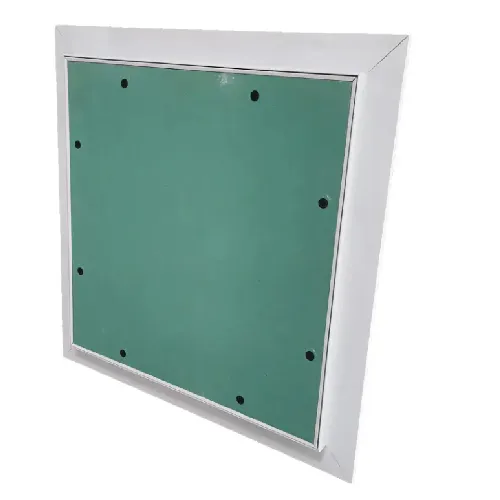
Xingyuan Ceilings’ snap grid systems are designed to accommodate a wide range of standard ceiling tile sizes, including 600mm x 600mm, 600mm x 1200mm, and 1200mm x 1200mm. Custom tile sizes can also be accommodated depending on the project requirements. It’s important to confirm compatibility with Xingyuan’s technical team during the planning phase to ensure a seamless installation. They offer tiles in various materials, including mineral fiber, gypsum, and metal, providing aesthetic flexibility.
What is the typical installation process for a snap grid ceiling?
The installation process generally involves suspending the main runners from the existing ceiling structure, then interlocking the cross tees to create the grid framework. Tiles are then simply ‘snapped’ into place within the grid. Xingyuan provides detailed installation manuals and videos to guide installers. Proper leveling and alignment are crucial for a professional-looking finish. For complex installations, it's recommended to consult with experienced ceiling contractors.
Does Xingyuan offer acoustic solutions with their snap grid systems?
Yes, Xingyuan Ceilings offers a range of acoustic ceiling tiles designed to work seamlessly with their snap grid systems. These tiles are engineered to absorb sound, reducing noise levels and improving the acoustic environment. The choice of tile material and thickness will influence the acoustic performance. Xingyuan's team can help you select the optimal solution based on your specific noise reduction requirements.
What materials are Xingyuan’s snap grid systems made of?
Xingyuan’s snap grid systems are primarily constructed from high-quality galvanized steel or aluminum. Steel offers excellent strength and durability, while aluminum provides lightweight corrosion resistance. The choice of material depends on the specific application and environmental conditions. All materials used are compliant with relevant safety and building regulations.
-
Benefits and Guide of Mineral Fiber Ceiling Board for InteriorsNewsApr.16,2026
-
Modern Mineral Fiber Ceiling Solutions for Acoustic PerformanceNewsApr.09,2026
-
Mineral Fibre Board Ceiling vs Gypsum Board A Comprehensive Comparison GuideNewsApr.07,2026
-
Comprehensive Guide to Mineral Fiber Ceiling Specification and PerformanceNewsApr.04,2026
-
What Are Mineral Fiber Ceiling Tiles Made Of And Their ApplicationsNewsMar.31,2026
-
Exploring the Benefits of Suspended Mineral Fibre Ceiling Systems for Modern BuildingsNewsMar.28,2026