
Dec . 03, 2025 20:26 Back to list
Timber Grid Ceiling: Sustainable Design & Modern Architectural Benefits
Understanding Timber Grid Ceiling: A Sustainable Architectural Marvel
Timber grid ceiling might not be the first term that jumps to mind when you think of modern construction or sustainable design, yet its role is quietly fundamental and fascinating. In broad strokes, timber grid ceilings combine the natural charm and benefits of wood with a modular grid structure that boosts both aesthetics and function across various buildings worldwide. The reason it matters globally is twofold: first, it addresses sustainability by relying on renewable materials, and second, its design flexibility makes it a practical solution for everything from office buildings to humanitarian shelter projects.
Oddly enough, this architectural element encapsulates a broader shift happening across the building industry — one toward greener, more adaptable structures without sacrificing style or durability. Knowing about timber grid ceiling systems unlocks an insightful perspective on how building design can simultaneously honor nature and meet the increasingly complex demands of urban and emergency settings.
Global Context: Why Timber Grid Ceilings Matter Today
As global urbanization speeds up — the UN estimates over 68% of the world population will live in cities by 2050 — construction demand is soaring, putting increasing pressure on environmental resources. The World Bank reports that construction contributes roughly 40% of global carbon emissions, which is staggering. Here’s where timber grid ceilings step in: they offer a renewable alternative to concrete or steel-heavy designs, directly lessening construction industries’ carbon footprint. Plus, timber’s natural insulation properties contribute to energy efficiencies in buildings, another step toward sustainability.
Yet, one major challenge remains — timber’s perception as a less durable or costly option compared to conventional materials. Industry experts and architects are working hard to change that narrative by demonstrating innovative timber grid ceiling applications that marry durability with cost-effectiveness.
Defining Timber Grid Ceiling
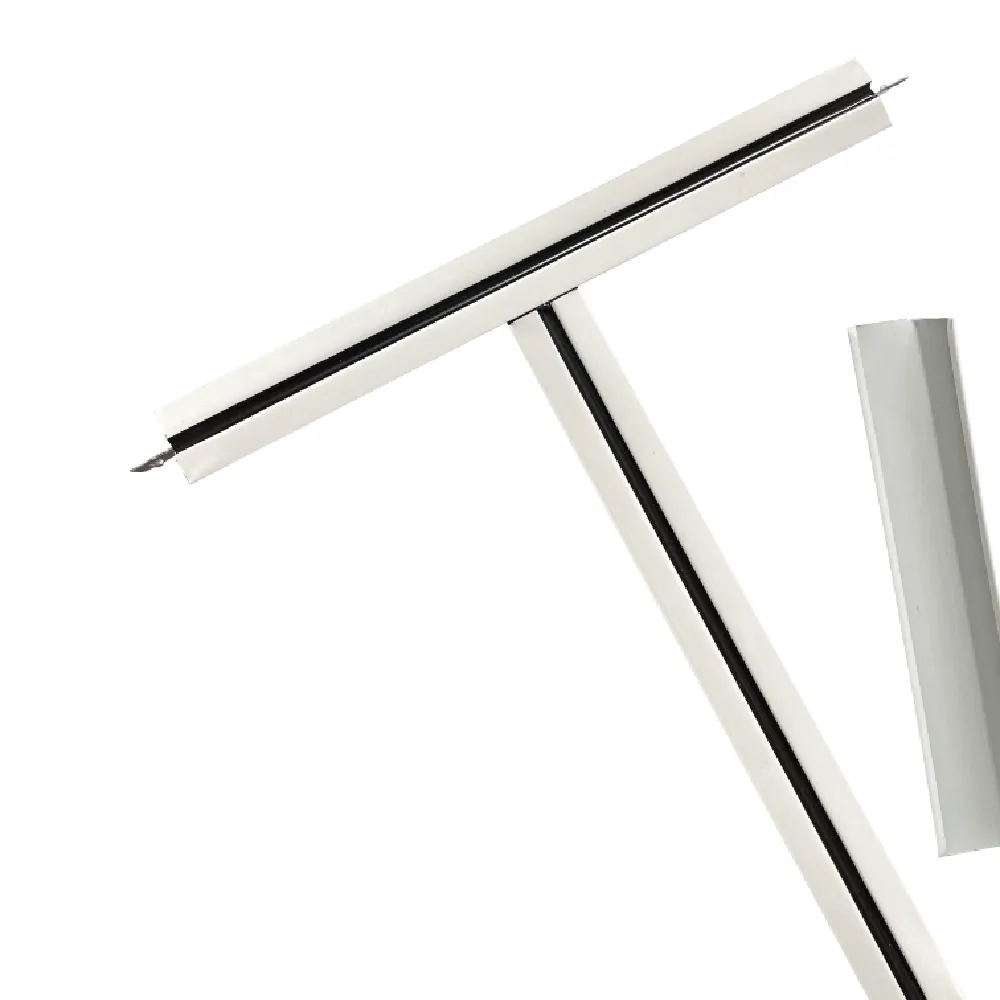
So, what exactly is a timber grid ceiling? Simply put, it is a ceiling system composed of interconnected wooden beams forming a geometric grid pattern, often square or rectangular. These grids support ceiling panels, lights, and HVAC systems, creating a visually appealing and open overhead structure. It’s part architectural detail, part structural supply system.
This design is deeply tied to modern industry needs—especially in spaces prioritizing aesthetics, sustainability, and versatility. It also aligns well with humanitarian efforts where quick assembly, modularity, and use of natural materials matter a lot.
Key Components & Aspects of Timber Grid Ceilings
Durability
Contrary to old stereotypes, timber can offer long-lasting strength thanks to treatments against moisture, insects, and fire. Many engineers say modern engineered timber beams withstand loads rivaling steel in certain contexts, and grids distribute weight evenly to avoid stress points.
Scalability & Modularity
Timber grid ceilings are highly scalable — whether you’re outfitting a small boutique or a sprawling convention center, you can customize the grid size and panel shapes. The modular grids also make repairs or replacements easier, reducing downtime.
Cost Efficiency
Upfront, timber material costs can appear higher but overall installation time is shorter compared to traditional ceiling systems. Plus, lower energy consumption from insulation and reduced maintenance balances costs over time.
Aesthetic & Acoustic Qualities
Wood inherently brings a warmth and texture that steel or gypsum simply can’t. Add acoustic panels within the grids and you get not just beautiful but functional ceilings that dampen noise — a big plus in open office environments.
Environmental Impact
Timber is renewable and biodegradable. Sustainable forestry practices certified by organizations like the Forest Stewardship Council (FSC) ensure that timber for ceilings doesn’t harm ecosystems. Using timber grid ceilings can significantly reduce embodied carbon in buildings.
Product Specification Table: Common Timber Grid Ceiling Specs
| Specification | Typical Range | Details |
|---|---|---|
| Material | Engineered softwood & hardwood | Treated for fire & moisture resistance |
| Grid Size | 300mm - 1200mm (square or rectangular) | Customizable per project |
| Load Capacity | Up to 500 kg/m² | Depends on timber type & beam thickness |
| Fire Rating | Class B - Class C (EN 13501-1) | Fire-retardant coatings common |
| Installation Time | 2-4 weeks (depending on building size) | Faster than conventional ceilings |
Mini takeaway: Timber grid ceilings bring a blend of strength, style, and speed to construction projects with carbon-conscious benefits.
Global Applications & Use Cases
- Architecture & Commercial Spaces: Offices and retail spaces love the open grid’s aesthetic, allowing integrated lighting and air systems while giving a “natural” feel.
- Educational & Healthcare Facilities: Acoustic benefits reduce noise and improve comfort in classrooms and patient rooms.
- Post-Disaster Relief: In disaster-prone areas, timber grid ceilings can be prefabricated and rapidly shipped, aiding quick construction of shelters that feel livable.
- Remote Industrial Zones: Modular ceilings are ideal for off-grid projects where speedy assembly and reliable materials are paramount.
Many governments and NGOs have started promoting timber grid ceilings as part of sustainable building codes — a sign that forward-thinking organizations acknowledge their multifaceted benefits.
Advantages & Long-Term Value of Timber Grid Ceilings
Cost savings over the building’s lifetime due to insulating properties are just the start. Then, there’s the psychological wholeness a wooden ceiling brings — people often report feeling calmer and more connected to nature under timber elements. Trustworthy in form and function, timber grid ceilings represent a convergence of tradition and innovation.
Socially, sustainable timber design signals a commitment to responsible construction, which can resonate well with tenants, customers, and communities. In real terms, this means buildings that don’t just last but also contribute positively to health and environment.
Vendor Comparison: Timber Grid Ceiling Providers
| Vendor | Material Quality | Customization Options | Lead Time | Sustainability Certification |
|---|---|---|---|---|
| EcoWood Ceilings | Premium engineered hardwood | Highly customizable sizes & finishes | 4 weeks | FSC & LEED |
| GreenGrid Timber | Softwood blends, treated | Modular standard grids, limited custom | 2-3 weeks | FSC certified |
| TimberTech Solutions | Engineered hardwood & bamboo | Custom projects with design assistance | 6 weeks | FSC & ISO 14001 |
Mini takeaway: When selecting a vendor for timber grid ceilings, weigh material type, customization, sustainability, and lead time carefully to match your project’s priorities.
Future Trends & Innovations in Timber Grid Ceilings
The future? It’s bright (and natural). With advances in engineered timber like cross-laminated timber (CLT) and laminated veneer lumber (LVL), the strength and scale achievable are increasing vastly. Green energy integration means embedded LED lighting and sensors within grids could soon monitor building health and energy use, automating lighting or ventilation.
Plus, digital fabrication (think CNC machining and BIM modeling) is streamlining custom design and prefabrication, reducing waste. From a policy perspective, many countries now incentivize sustainable timber construction, pushing the industry further toward adoption.
Challenges & Solutions
Of course, timber grid ceilings aren’t without hiccups. One challenge is managing moisture and fire risks, especially in humid climates or urban centers with strict fire codes. But modern chemical treatments and coatings mitigate these concerns effectively. Another limitation can be sourcing sustainably certified timber consistently as demand grows. Innovative urban forestry and recycled timber programs aim to close this gap.
Then there’s logistics — transporting delicate timber elements requires care, yet prefabrication and modularity help reduce onsite errors and damage.
FAQ: Common Questions About Timber Grid Ceilings
-
Q: Are timber grid ceilings suitable for humid climates?
A: Yes, when properly treated with moisture-resistant coatings and installed with ventilation in mind. Engineered timber withstands humidity better than raw wood. -
Q: How do timber grid ceilings contribute to fire safety?
A: They are treated with fire-retardant chemicals and can achieve fire rating classifications compliant with building codes, providing safe alternatives to untreated timber. -
Q: Can timber grid ceilings be installed in existing buildings?
A: Absolutely! Their modular nature makes retrofitting easier, and they can be adapted to different ceiling heights and layouts. -
Q: What maintenance do timber grid ceilings require?
A: Minimal maintenance is needed—regular dusting and periodic inspection for moisture or insect damage suffice, thanks to treatments used. -
Q: How does timber grid ceiling installation impact construction time?
A: Generally, it speeds up ceiling installation because of prefabrication and straightforward modular assembly, improving overall project timelines.
Conclusion: Why Timber Grid Ceilings are a Wise Choice
Bringing it all together, timber grid ceilings offer a compelling blend of sustainability, beauty, and functional value that appeal to architects, builders, and occupants alike. They reduce a project's environmental footprint, improve wellbeing through natural materials, and adapt to diverse needs — from high-end corporate offices to emergency shelters. If you’re considering a ceiling system that embraces innovation while honoring tradition, timber grid ceiling solutions could be your best bet.
Visit our website to explore product options and expert guidance to take the next step in sustainable building design.
It feels almost poetic that something as ancient as timber can help shape the future of modern architecture — a timely reminder that progress sometimes looks like going back to our roots.
References:
-
Benefits and Guide of Mineral Fiber Ceiling Board for InteriorsNewsApr.16,2026
-
Modern Mineral Fiber Ceiling Solutions for Acoustic PerformanceNewsApr.09,2026
-
Mineral Fibre Board Ceiling vs Gypsum Board A Comprehensive Comparison GuideNewsApr.07,2026
-
Comprehensive Guide to Mineral Fiber Ceiling Specification and PerformanceNewsApr.04,2026
-
What Are Mineral Fiber Ceiling Tiles Made Of And Their ApplicationsNewsMar.31,2026
-
Exploring the Benefits of Suspended Mineral Fibre Ceiling Systems for Modern BuildingsNewsMar.28,2026