
Mar . 14, 2026 02:25 Back to list
Comprehensive Guide to Mineral Wool Insulation Sheets for Enhanced Building Performance
Mineral Wool Insulation Sheets: A Comprehensive Guide
When it comes to thermal and acoustic insulation, mineral wool insulation sheets are a leading choice for both residential and commercial applications. Offering excellent performance and versatility, these sheets are a critical component in energy-efficient building design. This article explores the benefits, applications, and considerations when selecting mineral wool insulation, providing a thorough overview for builders, architects, and homeowners. Investing in quality insulation like mineral wool can significantly reduce energy costs and improve indoor comfort.
Understanding Mineral Wool Insulation Sheets
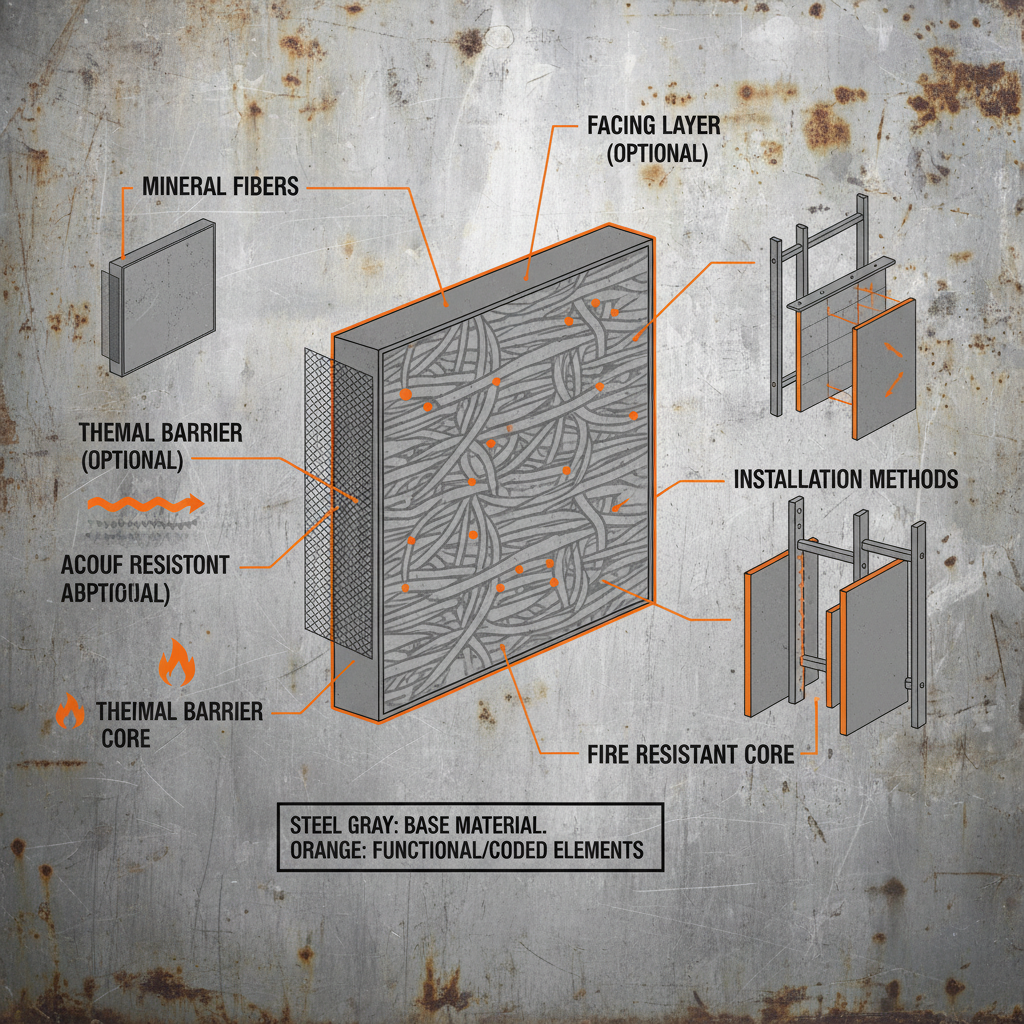
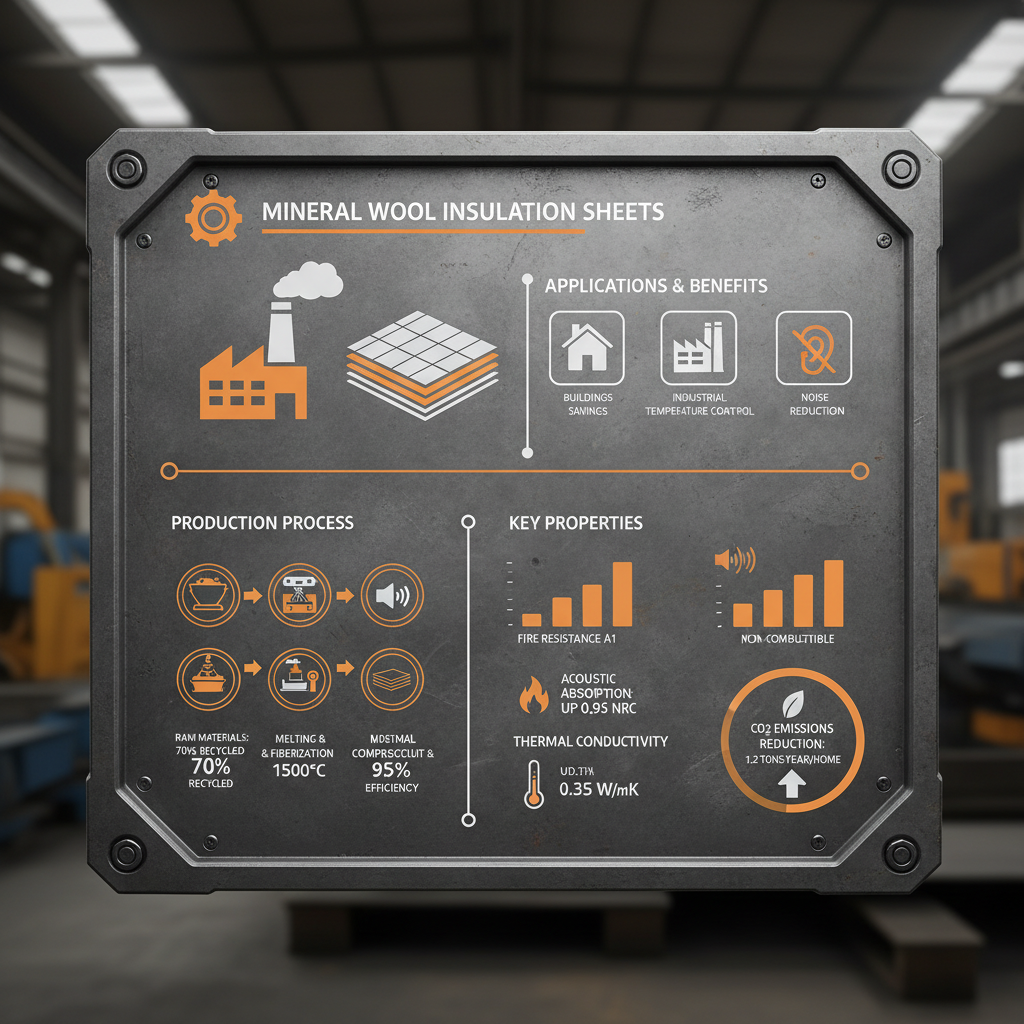
Mineral wool insulation sheets are manufactured from molten rock, slag, or glass spun into fibers, creating a lightweight yet highly effective insulation material. These sheets are known for their excellent thermal resistance, sound absorption properties, and fire resistance. They are available in various thicknesses and densities to suit different applications. Unlike some other insulation types, mineral wool doesn’t settle over time, maintaining its performance for years to come. Xingyuan Ceilings provides a wide range of mineral wool options for diverse project requirements.
Key Highlights: Excellent thermal resistance, superior sound absorption, and inherent fire resistance make mineral wool a safe and effective insulation solution.
Benefits of Choosing Mineral Wool Insulation
Mineral wool offers a multitude of benefits, including reduced energy consumption, improved indoor comfort, enhanced fire safety, and excellent acoustic performance. Its ability to regulate temperature minimizes heating and cooling costs. Furthermore, mineral wool is a sustainable material, often made from recycled content. It's also non-corrosive and doesn't support mold growth, contributing to a healthier indoor environment. These characteristics make it a responsible and long-lasting insulation choice.
Key Benefits:
• Reduced energy consumption and lower utility bills
• Improved indoor comfort and temperature regulation
• Enhanced fire safety and peace of mind
• Excellent acoustic performance for noise reduction
Mineral Wool Insulation Sheets vs. Other Insulation Materials
When comparing mineral wool to other insulation materials like fiberglass, cellulose, and spray foam, several key differences emerge. Mineral wool offers superior fire resistance compared to most alternatives. It also excels in sound absorption, making it ideal for spaces requiring noise control. While fiberglass is often more affordable, it can cause skin irritation during installation and doesn't perform as well in damp conditions. Cellulose, while environmentally friendly, can settle over time and may require treatments to prevent mold growth. Spray foam provides excellent air sealing but is often more expensive and can have environmental concerns related to its manufacturing process. Xingyuan Ceilings can help you assess the best option for your specific project.
Applications for Mineral Wool Insulation Sheets
Mineral wool insulation sheets are incredibly versatile and can be used in a wide range of applications, including: wall insulation (interior and exterior), roof insulation, floor insulation, acoustic partitions, soundproofing studios, and industrial equipment insulation. They are suitable for both new construction and retrofit projects. The choice of thickness and density will depend on the specific application and the desired R-value (thermal resistance).
Choosing the Right Mineral Wool Insulation Sheet: Key Considerations
When selecting mineral wool insulation sheets, consider the following factors: R-value, density, thickness, and facing options. The R-value indicates the material's thermal resistance – higher R-values provide better insulation. Density affects sound absorption and compression resistance. Thickness determines the overall insulation level. Facing options, such as foil or kraft paper, can provide additional vapor control or reflectivity. Xingyuan Ceilings offers expert guidance to help you select the optimal mineral wool solution for your needs.
Conclusion: Invest in Comfort and Efficiency with Mineral Wool
Mineral wool insulation sheets offer a compelling combination of performance, sustainability, and safety. By choosing this versatile material, you can significantly reduce energy costs, improve indoor comfort, and create a healthier living or working environment. Xingyuan Ceilings is your trusted partner for high-quality mineral wool insulation solutions.
Frequently Asked Questions (FAQs)
What R-value should I look for in mineral wool insulation?
The appropriate R-value depends on your climate zone and the specific application. Building codes typically specify minimum R-values for different areas of a building. For walls, an R-value of R-13 to R-23 is common, while roofs may require R-30 or higher. Mineral wool is available in various R-values, so you can choose the product that meets your local building codes and energy efficiency goals. Consider consulting with an energy auditor or building professional to determine the optimal R-value for your project.
Is mineral wool insulation safe to handle?
While mineral wool fibers are generally considered safe, it's recommended to take precautions during installation. Wear gloves, a dust mask, and eye protection to minimize skin and respiratory irritation. Long sleeves and pants are also advisable. The fibers are larger than those of fiberglass, making them less likely to become airborne and inhaled deeply. However, it's always best to follow the manufacturer's safety guidelines and practice proper ventilation during installation.
Can mineral wool insulation get wet?
Mineral wool is hydrophobic, meaning it repels water. However, it can still absorb some moisture if exposed to prolonged wet conditions. While it doesn't lose its R-value when wet like some other insulations, it's still best to prevent moisture accumulation. Proper vapor control measures, such as a vapor barrier, should be used to protect the insulation from condensation. Contact Xingyuan Ceilings for guidance on moisture management strategies.
-
Benefits and Guide of Mineral Fiber Ceiling Board for InteriorsNewsApr.16,2026
-
Modern Mineral Fiber Ceiling Solutions for Acoustic PerformanceNewsApr.09,2026
-
Mineral Fibre Board Ceiling vs Gypsum Board A Comprehensive Comparison GuideNewsApr.07,2026
-
Comprehensive Guide to Mineral Fiber Ceiling Specification and PerformanceNewsApr.04,2026
-
What Are Mineral Fiber Ceiling Tiles Made Of And Their ApplicationsNewsMar.31,2026
-
Exploring the Benefits of Suspended Mineral Fibre Ceiling Systems for Modern BuildingsNewsMar.28,2026