
Dec . 31, 2025 10:05 Back to list
Durable Gypsum Tile False Ceilings | Quality & Custom Options
Gypsum Tile False Ceiling: Durable, Versatile, and Widely Trusted
Having spent over a decade in the industrial equipment and building materials sector, I’ve seen many materials come and go, but gypsum tile false ceiling systems have maintained steady relevance. Oddly enough, they combine traditional craftsmanship with modern convenience and environmental responsibility—something that keeps architects and contractors coming back.
Let me share some thoughts on why gypsum tile ceilings continue to hold their ground, especially in commercial and residential buildings.
Why Gypsum Tile False Ceilings Matter in Today’s Construction
First off, the basics: gypsum is a naturally occurring mineral made primarily of calcium sulfate dihydrate. When processed into tiles, it becomes relatively lightweight yet strong enough to form a flat, smooth false ceiling surface. This provides several benefits—thermal insulation, sound absorption, fire resistance, and a clean aesthetic without the heavy bulk of traditional plaster.
Frankly, I’ve noticed that many engineers say gypsum ceilings strike a fine balance between cost-efficiency and performance, especially compared to alternatives like mineral fiber or metal panels. Plus, gypsum tiles resist sagging and cracking when installed properly—something that isn’t always true in humid climates.
Material Characteristics and Construction Insights
Gypsum tiles are often impregnated with additives that enhance moisture resistance; though I must admit, you should still keep them out of direct water exposure. Their surface is typically brushed or coated for smoothness, sometimes paper-faced or painted for extra durability.
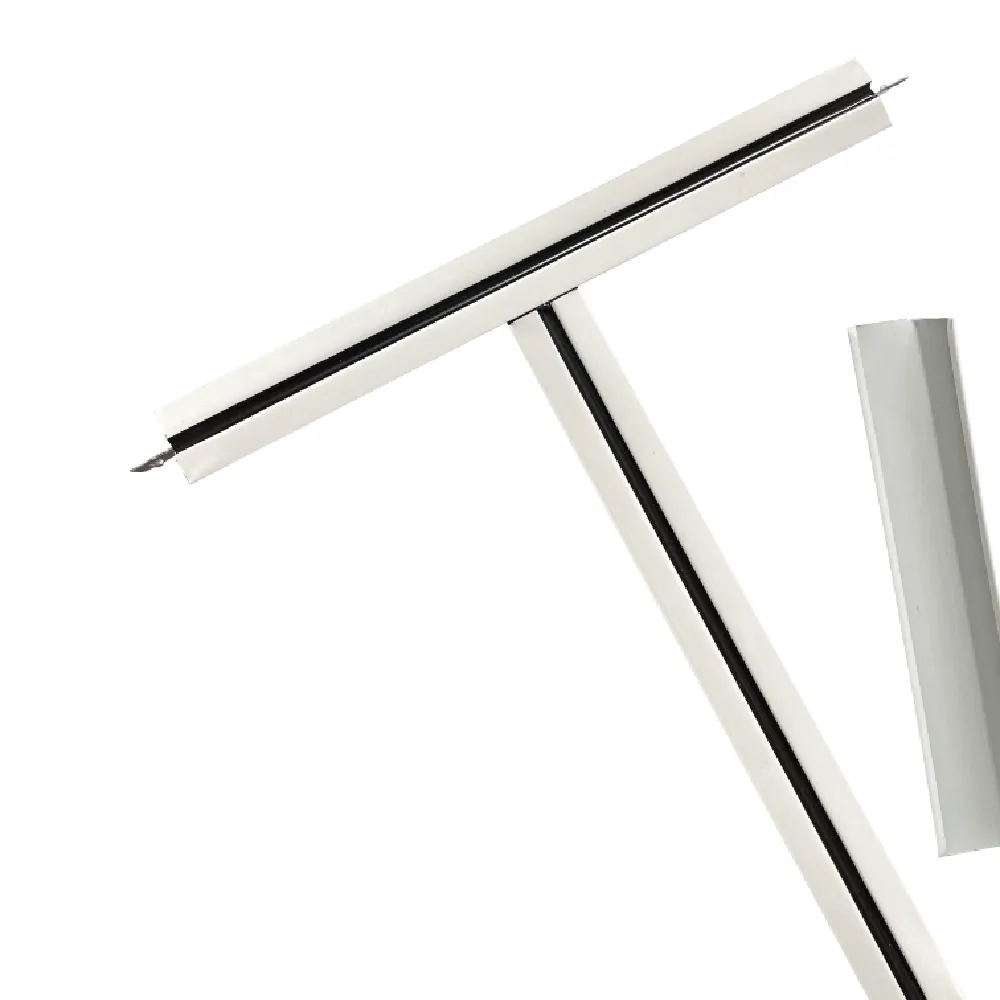
Installation can be a breeze with standard T-bar grid systems. The tiles simply drop in, making for easy replacements or renovations. I’ve watched crews complete sizable office fit-outs with gypsum tile ceilings remarkably faster than traditional gypsum plaster ceilings, which require wet work and drying times.
Common Specifications of Gypsum Tile Ceilings
| Specification | Details |
|---|---|
| Tile Size | 600 x 600 mm (standard) |
| Thickness | 9 – 12 mm |
| Weight | ~7.5 – 8.5 kg/m² |
| Fire Rating | Class A (ASTM E84) |
| Moisture Resistance | Moderate (improved with additives) |
| Sound Absorption | NRC 0.4 – 0.6 depending on finish |
How to Choose Your Gypsum Tile False Ceiling Supplier
Now, here’s where things get trickier. Not all gypsum tile manufacturers offer the same quality or service, oddly enough. Some focus on bulk commodity products, while others refine their offerings—focusing on durability, precision cutting, or custom finishes.
Based on my years of vetting vendors, here’s a quick comparison of three typical suppliers you might come across:
| Vendor | Product Range | Lead Times | Customization | Price level |
|---|---|---|---|---|
| Xingyuan Ceilings | Wide: standard & custom sizes | 2 – 4 weeks typical | High – tailored finishes available | Mid-range |
| Generic Tile Inc. | Limited to standard sizes | 1 – 2 weeks | Low – minimal options | Budget |
| Premium Build Systems | Wide with luxury finishes | 4 – 6 weeks | Extensive, bespoke capabilities | High-end pricing |
Note: shorter lead times sometimes mean compromised stock levels and less flexibility.
Real-World Use and a Small Anecdote
I recall a recent project where a mid-sized clinic wanted a clean, quiet ceiling system that wouldn’t interfere with their HVAC and lighting setups. After choosing gypsum tile false ceilings from Xingyuan Ceilings, their facilities manager was pleasantly surprised how easy the installation was and how little maintenance was needed afterward. “It just feels solid, neat, and reliable,” was his exact comment—something many clients want but few emphasize.
Of course, like all materials, gypsum tile ceilings aren’t miracle workers. They need careful handling, good grid systems, and thoughtful installation to avoid issues like crumbling edges or moisture damage. But when done right, they deliver in spades.
Final Thoughts
If you’re eyeing a solution that’s widely tested and trusted, gypsum tile false ceilings remain a very sensible choice. They’re practical, adaptable, and honestly, kind of timeless in the world of interior finishes. And if you want quality products paired with customization opportunities, checking out suppliers like Xingyuan Ceilings makes good sense.
Hopefully, this overview gives you a grounded sense of what to expect and what to ask for when working with gypsum ceiling tiles. It’s a topic I find endlessly interesting—perhaps because quality ceilings often go unnoticed, yet they truly make a difference in space comfort and design.
Until next time, keep your ceilings strong and your projects smooth!
References:
- "Gypsum Board Tiles: Composition and Properties," Building Materials Journal, 2021.
- "Ceiling Solutions Comparison," Construction Trends Report, 2023.
- Xingyuan Ceilings official product data and catalog, 2024.
-
Benefits and Guide of Mineral Fiber Ceiling Board for InteriorsNewsApr.16,2026
-
Modern Mineral Fiber Ceiling Solutions for Acoustic PerformanceNewsApr.09,2026
-
Mineral Fibre Board Ceiling vs Gypsum Board A Comprehensive Comparison GuideNewsApr.07,2026
-
Comprehensive Guide to Mineral Fiber Ceiling Specification and PerformanceNewsApr.04,2026
-
What Are Mineral Fiber Ceiling Tiles Made Of And Their ApplicationsNewsMar.31,2026
-
Exploring the Benefits of Suspended Mineral Fibre Ceiling Systems for Modern BuildingsNewsMar.28,2026