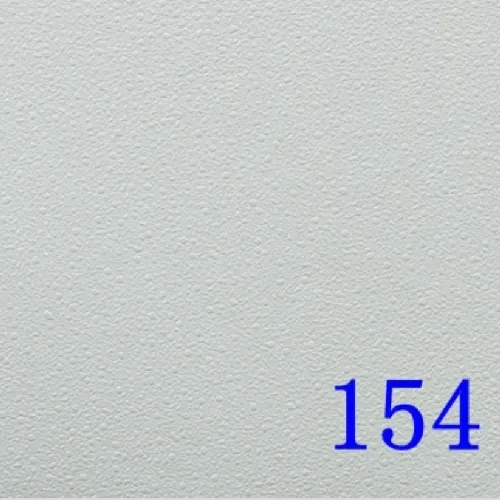

Guide to Quality Mineral Fiber and Metal Grid Ceiling Price
Selecting the appropriate ceiling system requires a balance between acoustic performance, fire safety, and budget management. For commercial and industrial spaces, the choice often comes down to the structural efficiency of the suspension system and the functional properties of the infill panels. Whether you are managing a large-scale office renovation or an industrial facility, understanding the technical interplay between grid supports and acoustic boards is essential for long-term operational success.
In high-traffic environments, the integration of mineral fiber sound-absorbing boards with a robust grid system provides a comprehensive solution for noise control and fire prevention. By analyzing the material composition and installation requirements, procurement managers can better estimate the total cost of ownership and ensure the selected materials meet international safety standards for non-combustibility and hygiene.

Acoustic Engineering and the Role of Mineral Fiber Ceiling Systems
Modern architectural design emphasizes the "acoustic comfort" of a room, which is heavily dependent on how sound waves interact with surface materials. Mineral fiber boards are engineered specifically to address these challenges. The surface of these boards typically features small, precision-engineered perforations that serve a dual purpose: reducing the reflection of sound waves and isolating noise transmitted through the building's floor and structure.
Beyond simple noise reduction, these systems excel in sound absorption. By effectively controlling and adjusting the reverberation time within a room, mineral fiber panels prevent the "echo chamber" effect common in large halls or open-plan offices. This makes them an ideal choice for environments where speech intelligibility is critical, such as conference rooms, classrooms, and healthcare facilities.
- Noise Isolation: Minimizes sound transmission between different levels of a building.
- Reverberation Control: Absorbs excess sound energy to create a quiet, focused atmosphere.
- Surface Porosity: Engineered holes facilitate the trapping of sound waves.

Fire Protection and Material Safety Standards
Safety is the highest priority in building material procurement, particularly regarding fire propagation. Mineral fiber boards are manufactured using non-combustible mineral wool as the primary raw material. This inherent property ensures that the ceiling does not contribute to the fuel load of a fire and, more importantly, can effectively prevent the spread of flames across the ceiling plane.
Integrating fire-resistant materials into the ceiling structure is not just a regulatory requirement but a critical life-safety measure. Because these boards do not burn, they provide valuable time for evacuation and emergency response. Furthermore, the material's resistance to mildew and bacteria makes it suitable for sterile environments, ensuring that the ceiling remains hygienic over its entire service life.
When evaluating the metal grid ceiling price, buyers must consider that the value lies in the combined safety rating of the grid and the panel. A high-quality, non-combustible system reduces insurance premiums and ensures compliance with strict international building codes.
Practical Application Scenarios and Decorative Versatility
The utility of mineral fiber sound-absorbing boards extends beyond technical performance into the realm of interior aesthetics. The surface treatment options are extensive, allowing for a variety of printed patterns and textures that can be matched to the architectural style of the building. This versatility ensures that functional acoustic treatment does not come at the expense of visual appeal.
In commercial settings, the ability to easily install and maintain these systems is a significant operational advantage. The T-grid suspension allows for rapid access to overhead utilities—such as electrical wiring, HVAC ducts, and plumbing—without requiring the demolition of the ceiling. This "access panel" logic is vital for facilities that undergo frequent technical upgrades.
- Office Complexes: Balancing open-space collaboration with acoustic privacy.
- Educational Institutions: Reducing background noise to improve student concentration.
- Industrial Warehouses: Providing fire-safe coverage and basic noise attenuation.
Comparison of Ceiling System Performance Characteristics
| Feature | Mineral Fiber | PVC Gypsum | Standard Metal | Acoustic Wood |
|---|---|---|---|---|
| Sound Absorption | High | Medium | Low | High |
| Fire Resistance | Non-combustible | Fire-retardant | Non-combustible | Conditional |
| Installation Speed | Fast | Medium | Fast | Slow |
| Maintenance | Easy | Moderate | Very Easy | Moderate |
| Moisture Resistance | Application-dependent | High | Very High | Low |
Procurement Considerations for Large-Scale Projects
When sourcing ceiling materials for large-scale developments, procurement managers must look beyond the initial unit cost. The total project cost is influenced by the precision of the T-grid manufacturing and the consistency of the panel dimensions. Any deviation in the grid's alignment can lead to significant installation delays and wasted material.
Working with a manufacturer that integrates R&D, production, and sales—such as Shijiazhuang Xingyuan Decorative Materials—ensures a more streamlined supply chain. By controlling the production of both the mineral fiber boards and the T-grid systems, a supplier can guarantee compatibility, reducing the risk of on-site fitting issues. Buyers should prioritize suppliers who utilize advanced scientific factory management and strict quality systems to ensure that products reach international standards.
Future Trends in Sustainable Ceiling Technology
The industry is moving toward "green building" certifications, where the environmental impact of materials is scrutinized. Mineral wool, being a natural mineral-based product, fits well within sustainable procurement frameworks. Future developments are focusing on increasing the recycled content of the binders used in mineral fiber boards without compromising their structural integrity or fire-resistant properties.
Additionally, there is a growing demand for hybrid systems that combine the aesthetic of metal grids with the acoustic properties of mineral wool. As urban spaces become denser, the need for high-performance noise reduction will drive the adoption of more sophisticated, multi-layered ceiling solutions that can be customized to the specific frequency of noise present in a given environment.
Frequently Asked Questions About Ceiling Grid Systems
What factors most influence the metal grid ceiling price in bulk orders?
The price is primarily driven by the material grade of the grid (such as galvanized steel), the coating thickness, the grid dimensions, and the total volume of the order. Custom specifications for load-bearing capacity also impact the final cost.
How do mineral fiber boards effectively reduce noise?
They use a combination of porous material and surface perforations to trap sound waves, converting sound energy into a small amount of heat and preventing it from bouncing back into the room.
Are these ceiling systems suitable for humid environments?
While mineral fiber is excellent for acoustics, for areas with extremely high humidity, it is recommended to use boards with specific anti-mildew and moisture-resistant treatments or consider PVC gypsum options.
What is the advantage of a T-grid system over a fixed ceiling?
T-grid systems allow for "drop-in" panels, providing immediate access to the plenum space for maintenance of electrical and mechanical systems without damaging the ceiling structure.
Can these panels be used in high-fire-risk areas?
Yes, since the main raw material is non-combustible mineral wool, these boards are ideal for fire-prone areas as they do not support combustion and help inhibit fire spread.
How should I choose between mineral fiber and PVC gypsum ceilings?
Choose mineral fiber if your primary goals are sound absorption and fire protection. Choose PVC gypsum if you require higher moisture resistance and a smoother, seamless decorative finish.
Technical Resources and Industry Standards
- ASTM International - Material Testing Standards
- ISO Standards for Building Materials
- UL Solutions - Fire Safety Certification
- ASHRAE - HVAC and Ceiling Integration Guidelines
For detailed technical specifications and project-specific quotes, we recommend consulting with a certified ceiling engineer to ensure the system matches your building's acoustic and safety requirements.
Related Industry Insights