
Mineral Fiber Acoustic Panels and Ceiling Grid Tiles Price Guide
Selecting the right ceiling system requires a delicate balance between acoustic performance, fire safety, and budgetary constraints. For commercial architects and facility managers, the choice of mineral fiber panels is often driven by the need to control ambient noise while ensuring long-term structural durability. These specialized tiles are engineered to transform an open space into a functional environment by managing sound reflection and absorption.
Whether you are outfitting a corporate office, a healthcare facility, or an educational institution, understanding the technical specifications behind the materials is key. Beyond the immediate ceiling grid tiles price, the true value lies in the operational efficiency gained from reduced noise pollution and the safety provided by non-combustible mineral wool cores. This guide explores the engineering advantages of high-performance mineral fiber solutions and how to evaluate them for specific industrial applications.

The Engineering Behind Mineral Fiber Acoustic Control
The primary function of mineral fiber ceiling boards is the mitigation of noise through two distinct mechanisms: noise reduction and sound absorption. Noise reduction focuses on the tile's ability to act as a barrier, preventing sound waves from traveling from one room to another, effectively isolating the space from floor-transmitted noise. This is achieved through the density and composition of the mineral wool.
Sound absorption, conversely, addresses the internal environment of the room. By utilizing a surface characterized by small, precision-engineered holes, these tiles capture sound waves rather than reflecting them. This process significantly reduces reverberation time, which is critical in high-traffic areas like open-plan offices or lecture halls where speech intelligibility is paramount. The porosity of the material allows sound energy to be converted into a small amount of heat, effectively "silencing" the room.
- Acoustic Isolation: Prevents sound leakage between adjacent floors or rooms.
- Reverberation Control: Eliminates echoes to create a clearer auditory environment.
- Material Density: Optimized mineral wool core for balanced performance.

Fire Safety and Material Integrity in Commercial Ceilings
In the construction of public and commercial buildings, fire protection is a non-negotiable requirement. Mineral fiber boards are manufactured using non-combustible mineral wool as the primary raw material. This inherent property ensures that the ceiling system does not contribute to the fuel load of a building and, more importantly, prevents the rapid spread of fire across the ceiling plane, providing critical evacuation time for occupants.
Beyond fire resistance, these materials are engineered for longevity in various environments. High-quality mineral fiber solutions incorporate anti-mildew and anti-bacteria treatments, making them suitable for environments with fluctuating humidity or strict hygiene requirements. The integration of heat insulation properties also assists in maintaining internal temperatures, which can lead to a reduction in HVAC energy consumption over the building's lifecycle.
From a decorative standpoint, the versatility of these boards allows for a wide range of surface treatments. They can be printed with various patterns or textures to match the interior design scheme without compromising the technical performance of the sound-absorbing properties.
Application Logic for Different Industrial Environments
Different environments demand different ceiling characteristics. In corporate boardrooms, the priority is often high-level sound absorption to ensure privacy and focus. In contrast, industrial corridors may prioritize fire protection and easy maintenance. The modular nature of T-grid systems allows for rapid installation and, crucially, easy access to overhead utilities such as electrical wiring, plumbing, and HVAC ducts.
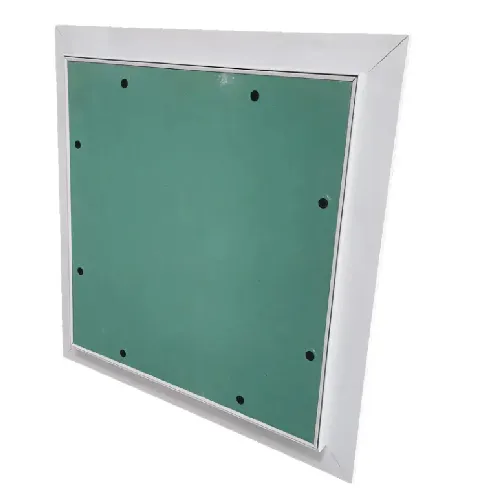
For facilities requiring frequent maintenance, the combination of access panels and mineral fiber tiles provides the ideal solution. This ensures that the acoustic and fire-rated integrity of the ceiling is maintained while allowing technicians to reach internal systems without damaging the ceiling structure. When specifying these products, procurement managers must consider the balance between the initial cost and the long-term benefits of reduced noise and enhanced safety.
Key application scenarios include:
- Corporate Offices: Focusing on noise reduction for productivity.
- Educational Facilities: Prioritizing speech clarity in classrooms.
- Healthcare Centers: Utilizing anti-bacterial and fire-resistant properties.
- Retail Spaces: Balancing decorative aesthetics with acoustic comfort.
Technical Performance Comparison Matrix
| Performance Metric | Mineral Fiber | Standard Gypsum | PVC Ceiling | Evaluation Factor |
|---|---|---|---|---|
| Sound Absorption | High | Medium | Low | Acoustic Comfort |
| Fire Resistance | Non-combustible | Fire-resistant | Combustible | Safety Standard |
| Moisture Resistance | Application-dependent | Limited | High | Environment Fit |
| Installation Speed | Rapid (T-Grid) | Moderate | Rapid | Labor Cost |
| Maintenance Ease | High | Low | Medium | Operational Cost |
Evaluating Supplier Capabilities and Quality Control
When sourcing ceiling materials at scale, the manufacturer's quality management system is as important as the product specification. A reliable supplier should integrate R&D, production, and sales to ensure that the final product meets international standards. This integration allows for tighter control over the raw mineral wool composition, ensuring consistency in density and fire-rating across different production batches.
Advanced production technology and scientific factory management are essential for maintaining the "international advanced level" of quality. Buyers should look for suppliers who implement strict quality systems, as this reduces the risk of tile warping, sagging, or inconsistent surface patterns. Furthermore, a manufacturer with a diverse production base—covering mineral fiber, PVC gypsum, and access panels—can provide a more holistic and compatible ceiling solution for complex projects.
Export experience to diverse markets like Europe, India, and Russia also indicates a supplier's ability to meet various international certification requirements and logistics standards, ensuring that the materials arrive on-site without damage and ready for immediate installation.
Strategic Procurement and Long-term Value
The procurement of ceiling systems should be viewed as a long-term investment in building infrastructure. While the initial ceiling grid tiles price is a significant factor, the total cost of ownership includes installation labor, maintenance, and the impact on occupant wellbeing. High-performance mineral fiber tiles reduce the need for additional acoustic treatments and lower the risk of fire-related liabilities.
Future trends in commercial architecture are moving toward "healthy buildings," where indoor air quality and acoustic comfort are prioritized. Selecting materials that are anti-mildew and anti-bacteria aligns with these trends, increasing the property value and ensuring a healthier environment for employees or patients. The ability to easily replace individual tiles in a T-grid system ensures that the ceiling remains in peak condition for decades.
To optimize procurement, buyers are encouraged to request technical data sheets and sample tiles to verify sound absorption coefficients and fire ratings against their local building codes. Partnering with a manufacturer that emphasizes "quality guarantees everything" ensures a reliable supply chain and consistent product performance.
Frequently Asked Questions on Mineral Fiber Ceilings
What is the difference between noise reduction and sound absorption?
Noise reduction refers to the material's ability to block sound from passing through the ceiling to the floor above, while sound absorption is the ability to soak up sound waves within the room to reduce echoes and reverberation.
Are mineral fiber ceiling tiles truly non-combustible?
Yes, because they are primarily made from mineral wool, which is an inorganic material that does not burn, making them an ideal choice for fireproof ceiling requirements in commercial buildings.
Can these tiles be used in high-humidity areas?
Mineral fiber tiles often include anti-mildew and anti-bacteria treatments. However, for extremely wet areas, specialized waterproof coatings or PVC gypsum alternatives may be more appropriate depending on the specific humidity levels.
How easy is it to replace a damaged tile in a T-grid system?
It is very simple. The T-grid system allows you to lift a single tile out and slide a new one in without disturbing the rest of the ceiling, making maintenance highly efficient.
What factors influence the cost of these ceiling systems?
Cost is typically influenced by the tile's density, the level of acoustic performance (NRC rating), fire-rating certifications, surface decorative patterns, and the total volume of the order.
How do these tiles improve air quality in a building?
By using materials that are anti-mildew and anti-bacteria, these tiles prevent the growth of harmful microorganisms in the ceiling void, contributing to a healthier indoor environment.
Technical References and Industry Sources
- International Organization for Standardization (ISO) - Quality Management Standards
- ASTM International - Material Testing and Fire Safety Standards
- ASHRAE - Standards for Ventilation and Indoor Air Quality
- UL Solutions - Fire Safety and Product Certification
Choosing a high-performance ceiling system is a critical decision for any commercial project. By prioritizing technical attributes like sound absorption, fire resistance, and manufacturer reliability, you can ensure a safe and productive environment for years to come.
Related Ceiling Solutions