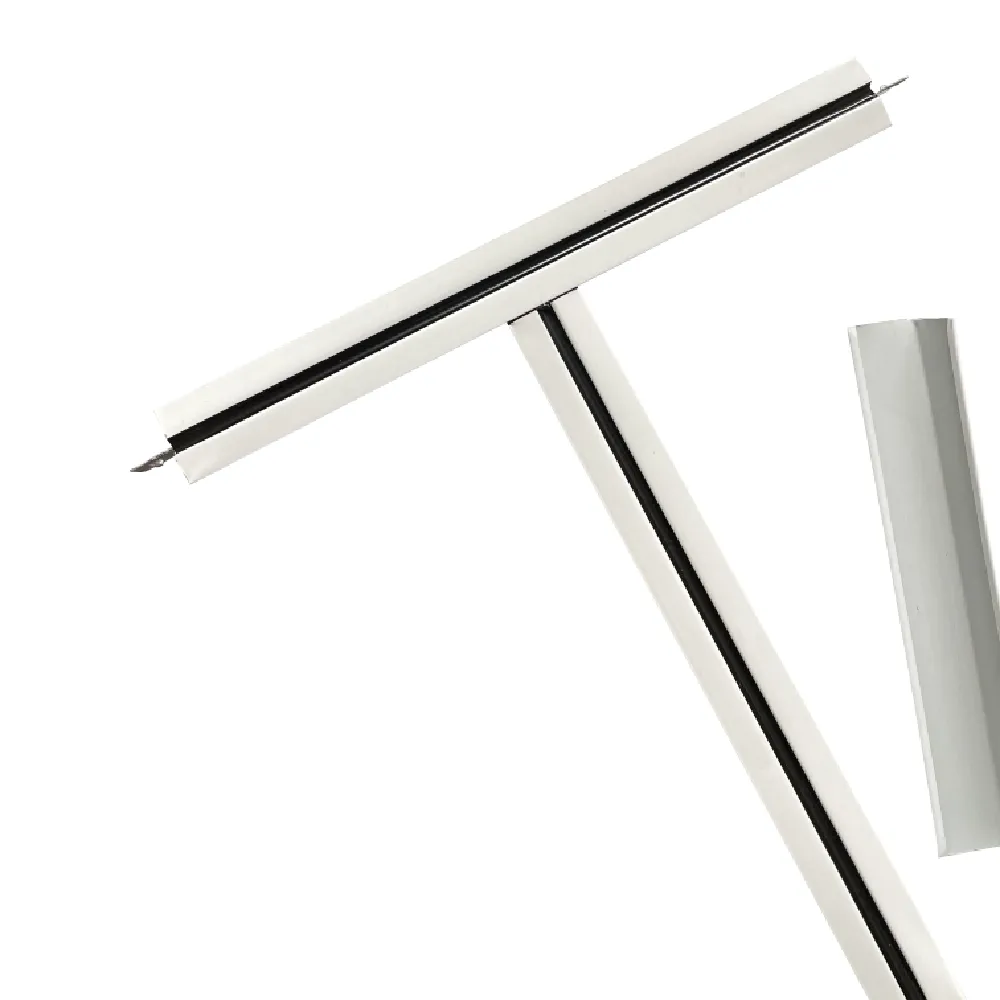

PVC Plaster Ceiling Systems and Grid Tiles Price Guide
When specifying interior finishes for commercial or residential projects, the selection of ceiling materials often boils down to a balance between aesthetic polish and long-term operational resilience. PVC plaster ceilings represent a sophisticated hybrid solution, merging the structural stability of gypsum with the moisture-resistant properties of polyvinyl chloride. For procurement managers and architects, understanding the variables that influence grid tiles price is essential for accurate budgeting and ensuring that the chosen system can withstand the specific environmental stresses of the installation site, such as high humidity or acoustic requirements.
These systems are engineered to provide a seamless, high-end finish while significantly reducing the maintenance burden associated with traditional plaster. By integrating lightweight PVC components with gypsum cores, these ceilings offer a versatile installation path that caters to both rapid deployment and customized decorative needs, making them a primary choice for modern bathrooms, kitchens, and office basements.

Engineering the Hybrid Advantage of PVC Plaster Ceiling Systems
The core value of the PVC plaster ceiling lies in its composite material architecture. By utilizing gypsum as the primary raw material and reinforcing it with PVC, the product achieves a synergy of strength and versatility. Traditional gypsum ceilings, while aesthetically pleasing, often struggle in environments with fluctuating moisture levels. The addition of PVC creates a protective barrier that prevents water ingress and inhibits the growth of mold and mildew, which is critical for maintaining indoor air quality and structural integrity.
From a technical standpoint, this combination ensures that the panels remain lightweight without sacrificing rigidity. This characteristic reduces the dead load on the suspended T-grid system, allowing for safer installations and simplified adjustments. Furthermore, the non-combustible nature of the gypsum core ensures compliance with stringent fire safety regulations, providing a secure environment for occupants while the PVC finish ensures that the surface remains easy to clean and resistant to stains.
- Moisture Resistance: Ideal for high-humidity zones where traditional plaster would peel or crack.
- Structural Integrity: High strength-to-weight ratio reduces stress on the supporting grid.
- Hygienic Properties: Anti-bacteria and anti-mildew surfaces make it suitable for healthcare and food service areas.
- Aesthetic Versatility: Available in various patterns and finishes to match specific interior design themes.

Optimizing Installation Efficiency and Maintenance Life Cycles
One of the most significant advantages for contractors and DIY enthusiasts is the streamlined installation process. Unlike traditional wet-plastering methods that require extensive drying time and professional skimming, PVC plaster ceilings utilize an interlocking design. This mechanical connection allows tiles to be slotted into the T-grid system quickly and securely, drastically reducing labor hours and onsite waste. The lightweight nature of the material means fewer personnel are required for overhead placement, accelerating project timelines.
Beyond the initial setup, the long-term commercial value is found in the maintenance cycle. The durable PVC surface is resistant to scratches, dents, and stains, which are common in high-traffic commercial corridors. When a specific section of the ceiling requires access for electrical or plumbing repairs, the grid system allows for individual tiles to be removed and replaced without disturbing the rest of the ceiling. This modularity eliminates the need for costly patching and repainting, ensuring that the ceiling maintains its original professional appearance for years.
Strategic Application Scenarios for High-Performance Ceiling Tiles
Selecting the right ceiling system requires a deep understanding of the environment. PVC plaster ceilings are particularly effective in "wet zones" where moisture management is the primary concern. In residential bathrooms and kitchens, the PVC layer prevents steam from penetrating the gypsum core, avoiding the sagging and discoloration typical of standard ceiling boards. In commercial settings, such as basements or underground parking facilities, the anti-mildew properties protect the structure from dampness-related degradation.
In office environments, the focus shifts toward a combination of aesthetics and functionality. The wide range of designs allows these tiles to blend into a corporate identity, while the underlying gypsum provides necessary sound-dampening qualities. This makes them suitable for open-plan offices where noise reduction is required to maintain productivity. Whether the goal is a sleek, modern look or a more textured, decorative finish, the adaptability of these panels ensures they meet both the functional requirements of the engineer and the visual requirements of the designer.
Technical Comparison and Selection Framework
| Feature Dimension | Standard Gypsum | Pure PVC Panels | PVC Plaster Hybrid |
|---|---|---|---|
| Moisture Resistance | Low | Very High | High |
| Fire Rating | Excellent | Moderate | Excellent |
| Installation Speed | Slow (Wet) | Fast (Dry) | Fast (Dry) |
| Acoustic Performance | High | Low | Medium-High |
| Surface Durability | Moderate | High | High |
Procurement Considerations for Large-Scale Ceiling Projects
When evaluating suppliers for a large-scale rollout, procurement managers must look beyond the initial unit cost. The total cost of ownership includes installation labor, shipping costs (influenced by weight), and the frequency of replacement. Because PVC plaster ceilings are lightweight and easy to install, they often provide a lower total project cost compared to traditional materials. When analyzing grid tiles price, it is important to consider the quality of the T-grid compatibility and the consistency of the panel dimensions to avoid gaps or uneven alignment during installation.
Quality assurance is paramount. Working with a manufacturer that integrates research, production, and strict quality control ensures that the panels meet international standards for non-combustibility and noise reduction. Ensuring the supplier has a proven track record in exporting to diverse markets—such as Europe, India, and Russia—indicates a capability to handle varied technical specifications and shipping requirements. This reliability reduces the risk of project delays caused by defective materials or inconsistent product quality.
Future Trends in Sustainable and Functional Ceiling Design
The industry is moving toward "intelligent" ceiling solutions that combine environmental sustainability with enhanced functional performance. We are seeing an increase in the demand for materials that not only resist moisture but also actively contribute to the energy efficiency of a building. Future iterations of hybrid ceilings are likely to incorporate more recycled content in the PVC layer and improved thermal insulation properties in the gypsum core to reduce HVAC energy consumption.
Moreover, the trend toward modularity is accelerating. The ability to integrate lighting, ventilation, and acoustic baffles directly into the grid system without compromising the aesthetic finish is becoming a standard requirement. For buyers, this means focusing on systems that offer high compatibility with various accessories. By investing in high-quality PVC plaster solutions today, property owners are ensuring that their spaces remain adaptable to future technological upgrades while maintaining a professional, high-end appearance.
Frequently Asked Questions Regarding PVC Plaster Ceilings
What makes PVC plaster ceilings better than standard gypsum boards for bathrooms?
PVC plaster ceilings combine a gypsum core for strength and fire resistance with a PVC surface that is waterproof and mold-resistant. Standard gypsum boards absorb moisture, leading to sagging and mildew, whereas the hybrid system repels water, making it far more durable in high-humidity environments.
Are these ceiling tiles difficult to install for a DIY project?
No, they are designed for ease of installation. The lightweight material and interlocking design allow them to fit securely into a T-grid system without the need for specialized tools or wet-plastering techniques, saving significant time and effort.
How do I maintain the surface of a PVC plaster ceiling?
Maintenance is minimal. Because the surface is resistant to stains and scratches, most dust or debris can be removed with a damp cloth and mild detergent. There is no need for frequent repainting, which is common with traditional plaster ceilings.
Can these tiles be used in commercial offices for sound reduction?
Yes. The gypsum component provides natural sound-absorbing qualities that help reduce echo and noise transmission, making them an excellent choice for professional environments where acoustic comfort is necessary.
What factors typically influence the overall cost of the ceiling system?
The overall cost is influenced by the choice of finish, the complexity of the T-grid layout, the total volume of the order, and the shipping destination. Selecting a manufacturer that integrates R&D and production can often provide more competitive pricing through supply chain efficiency.
Are PVC plaster ceilings fire-safe?
Yes, the core material is gypsum, which is inherently non-combustible. This ensures that the product meets safety standards for commercial and residential buildings, providing a critical layer of protection during fire emergencies.
Industry Technical References
- ISO Standards for Building Materials and Quality Management
- ASTM International Standards for Gypsum and PVC Composites
- UL Solutions - Fire Safety and Material Certification
- Sustainability Guidelines for Commercial Interior Finishes
Choosing the right ceiling system is a strategic decision that affects both the immediate aesthetic of a space and its long-term operational costs. By selecting high-performance PVC plaster solutions, you ensure a balance of durability, safety, and style that meets the rigorous demands of modern architecture.
Related Technical Guides and News