
Dec . 02, 2025 15:16 Back to list
Access Panel Ceiling Drywall: Essential Guide to Specifications, Uses, and Innovations
Understanding Access Panel Ceiling Drywall: Essential for Modern Construction and Maintenance
When you hear “access panel ceiling drywall,” it might not immediately sound thrilling, but this seemingly mundane component plays a surprisingly crucial role in the world around us. Whether in commercial buildings, hospitals, or industrial plants, these panels give technicians quick, safe access to concealed systems like plumbing, electrical, or HVAC components without damaging walls or ceilings. Globally, as building codes and maintenance needs grow more complex, understanding access panels becomes more essential than ever—and frankly, it’s a small detail that saves time, money, and headaches on-site.
Introduction: The Growing Global Need for Access Panel Ceiling Drywall
It’s easy to overlook how much infrastructure relies on hidden networks—pipes, wires, ducts—that need occasional inspection or repair. According to the International Energy Agency (IEA), building operations account for nearly 40% of global energy use. Behind that number lies a vast ecosystem of facilities requiring constant servicing. Access panels in ceiling drywall specifically facilitate maintenance with minimal disruption, crucial in increasingly strict building standards worldwide (ISO 16484-2:2015, for building automation and control systems). In fast-growing urban centers, replacing drywall each time a technician needs access just isn’t practical—or sustainable.
But the problem they help solve is pretty straightforward: how to provide safe, rapid access to critical systems without compromising aesthetics or structural integrity. As buildings become smart and more complex, demand for standardized, reliable access solutions keeps climbing.
What is Access Panel Ceiling Drywall?
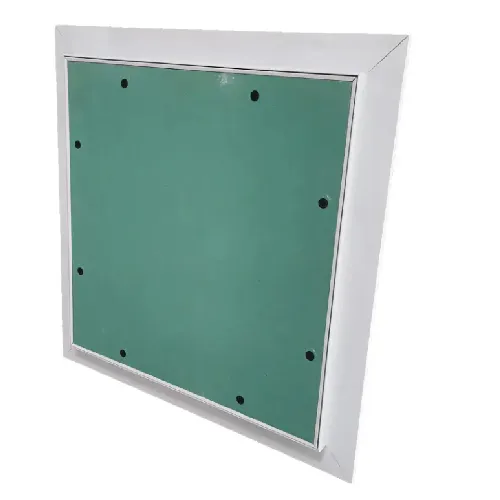
Simply put, an access panel ceiling drywall is a framed opening installed within drywall ceilings, designed to be easily opened and closed. This gives quick access to hidden mechanical or electrical systems above the ceiling line without tearing down drywall each time. They range from simple hinged covers to screw-on panels with fire-rated or insulated options—each tailored to different technical requirements. Think of them as the service doors in walls you didn’t even realize existed, but which are invaluable for maintenance and safety.
With the rise of controlled environments and stringent building codes, these access points have gone from afterthoughts to standardized elements, integral to smart building design and maintenance efficiency.
Key Factors to Consider in Access Panel Ceiling Drywall
1. Durability and Material Quality
Most panels are made from galvanized steel, aluminum, or durable plastics—materials resistant to corrosion and wear. This ensures long service life, especially in damp or industrial settings where maintenance frequency is high.
2. Size and Design Compatibility
Standard sizes range from small (6"x6") to large (24"x24" and beyond), but customization options exist to match a building’s specific ceiling grid or drywall thickness. Good panels integrate almost invisibly, supporting the ceiling’s structural and aesthetic qualities.
3. Fire-Rating and Safety Compliance
In commercial or high-risk buildings, access panels need to meet fire safety codes (like ASTM E119 or UL 263 fire-rated assemblies). They not only allow access but also maintain the fire barrier integrity of the ceiling system.
4. Ease of Installation and Maintenance
Professionals favor panels with quick-release mechanisms or tool-less access. It saves valuable time when working in tight schedules or emergency repairs.
5. Cost Efficiency
While premium models exist, many cost-effective options balance function and price, making them accessible for widespread commercial use without compromising on quality.
6. Environmental Impact
Some makers offer recycled-content panels or units designed to minimize heat loss, aligning with global sustainability efforts.
Typical Specifications of Access Panel Ceiling Drywall
| Specification | Standard Range | Notes |
|---|---|---|
| Material | Steel, Aluminum, Plastic | Galvanized options preferred for durability |
| Panel Size | 6"x6" up to 24"x24" | Custom available on request |
| Fire Rating | Up to 90 minutes | Complies with UL 263/ASTM E119 |
| Finish | Primer or Painted | Paintable for aesthetic matching |
| Access Type | Hinged, Screw-on, Snap-fit | Varies by maintenance need |
Global Applications: Where Access Panel Ceiling Drywall Makes a Difference
Installed everywhere from hospitals to airports, these panels serve a broad global market. In North America and Europe, strict HVAC regulations make regular access vital—so these panels are a construction norm. In Asia’s rapid urban developments, flexible access panels help manage dense networks of building services. Even in humanitarian contexts, like temporary field hospitals or modular shelters, quick and safe access to ceiling infrastructure often depends on these easy-to-use panels.
For example, in post-disaster relief operations, access panel ceiling drywall allows emergency teams to quickly inspect and repair air filtration or medical gases without reconstructing spaces. In remote industrial zones—say, mining camps in Australia or oil rigs in the Gulf of Mexico—easy access ensures critical systems are maintained, avoiding costly downtime or hazards.
Vendor Comparison Table: Popular Access Panel Ceiling Drywalls
| Brand | Material | Fire Rating | Access Type | Price Range |
|---|---|---|---|---|
| Xingyuan | Steel/Aluminum | Up to 90 min | Hinged & Screw-on | Mid-range |
| PanelTech | Plastic Composite | No fire rating | Snap-fit | Budget |
| FireGuard Systems | Steel, insulated | 120 min UL rated | Hinged with lock | Premium |
Advantages & Long-Term Value of Access Panel Ceiling Drywall
It’s a simple thing, but access panels deliver sustained benefits:
- Cost Efficiency: Avoid repeated drywall repairs and downtime when systems need servicing.
- Safety & Compliance: Maintain fire barriers and structural integrity while allowing quick emergency access.
- Sustainability: Reduce waste by preserving ceiling materials instead of replacing sections.
- Convenience: Technicians appreciate the ease of quick inspections and repairs, speeding up service times.
- Professional Appearance: Seamless integration means access panels blend with ceiling aesthetics rather than detract.
For facility managers, the peace of mind in knowing critical building services can be accessed without costly disruption is invaluable—and for occupants, it means safer, more reliable buildings.
Future Trends & Innovations in Access Panel Ceiling Drywall
Looking ahead, innovations are focusing on greener materials, integrated smart sensors, and modular designs. One exciting frontier is panels embedded with IoT sensors that can detect humidity, smoke, or heat, automatically alerting facilities teams. Moreover, manufacturers increasingly offer lightweight, recycled-material panels with enhanced thermal insulation, pushing toward net-zero building goals aligned with the UN’s sustainability frameworks.
Additionally, automated locking and access control for sensitive areas are becoming more common, blending security and convenience. The concept of access panel ceiling drywall keeps evolving with the building industry’s digital transformation.
Challenges & Solutions in Using Access Panel Ceiling Drywall
It’s not all straightforward. Sometimes panels don’t fit standard cabinetry or complex ceiling grids, limiting retrofit options. Fire-rating certifications can vary, and choosing the correct panel for regulatory compliance is critical. Improper installation may lead to air leaks or structural weakness.
The good news: solutions lie in thorough pre-install planning, vendor selection based on verified standards, and ongoing training for installers. Innovative designs now allow adjustable frames and sealing features that keep air and smoke leakage to a minimum.
FAQ: Frequently Asked Questions About Access Panel Ceiling Drywall
-
Q: What sizes of access panel ceiling drywall are most common?
A: Standard sizes range from 6"x6" to 24"x24", but customizable options are readily available to suit specific dimensions and applications. -
Q: Are fire-rated access panels necessary in all buildings?
A: Not necessarily. Fire-rated panels are typically required in commercial or multi-story buildings where building codes mandate fire separation, but residential spaces usually don’t require them. -
Q: Can access panels be painted to blend with existing ceilings?
A: Yes, most metal panels come with a primer finish that can be painted to match ceiling colors, ensuring a discreet look. -
Q: How do I select the right access panel for a damp environment?
A: Look for panels made with galvanized steel or corrosion-resistant aluminum, with sealed edges to prevent moisture ingress. -
Q: Where can I find reliable vendors for access panel ceiling drywall?
A: Vendors like Xingyuan offer a good balance of quality and price. Always check certifications and reviews before purchase.
Conclusion: The Humble Panel with a Big Impact
At first glance, access panel ceiling drywall may just seem like a small building component. But in real terms, it’s a practical innovation that combines safety, efficiency, and sustainability—important values in a growing global construction landscape. Understanding their specifications, applications, and innovations helps industry professionals and facility managers make informed choices that save costs and improve building longevity.
For those interested, I highly recommend visiting our dedicated page to explore a range of access panel solutions fit for many projects.
Oddly enough, it’s these behind-the-scenes parts of infrastructure that often tell the best stories — about ingenuity, adaptation, and care for detail.
Mini takeaway: Next time you glance up at a ceiling, remember the humble access panel drywall quietly keeps your building safe, accessible, and efficient.
References:
-
Benefits and Guide of Mineral Fiber Ceiling Board for InteriorsNewsApr.16,2026
-
Modern Mineral Fiber Ceiling Solutions for Acoustic PerformanceNewsApr.09,2026
-
Mineral Fibre Board Ceiling vs Gypsum Board A Comprehensive Comparison GuideNewsApr.07,2026
-
Comprehensive Guide to Mineral Fiber Ceiling Specification and PerformanceNewsApr.04,2026
-
What Are Mineral Fiber Ceiling Tiles Made Of And Their ApplicationsNewsMar.31,2026
-
Exploring the Benefits of Suspended Mineral Fibre Ceiling Systems for Modern BuildingsNewsMar.28,2026