
Dec . 02, 2025 06:40 Back to list
Attic Access Door Ceiling: Guide to Benefits, Applications, and Innovations
Understanding Attic Access Door Ceiling: Essential Insights and Global Impact
The attic access door ceiling might not be the first element that comes to mind when thinking about building design, but oddly enough, it plays a pivotal role in both comfort and efficiency worldwide. Whether you’re a contractor, an architect, or just someone curious about home improvements, knowing more about this seemingly modest component can save time, money, and even energy. Globally, its importance is linked to energy conservation, accessibility, and maintenance safety — all key benefits to grasp in our rapidly urbanizing world.
Introduction: Why Attic Access Door Ceilings Matter Worldwide
According to the International Energy Agency (IEA), buildings consume about 30% of the global energy output, and nearly a third of that escapes through inefficient insulation and poorly sealed spaces. The attic access door ceiling, often overlooked, represents a critical thermal boundary. Properly designed and installed, it minimizes heat loss in winter and heat gain in summer — particularly vital in colder climates like Scandinavia or hotter regions such as the American Southwest. As urban density rises, effective space usage in attics and easy, safe access for maintenance become fundamental challenges addressed by this product.
However, many buildings worldwide still face challenges with leakage, difficult roof access, or fire safety compliance. These are problems directly linked to attic access door ceilings, which oftentimes serve as the gateway to important HVAC, electrical, or plumbing systems.
What Is an Attic Access Door Ceiling?
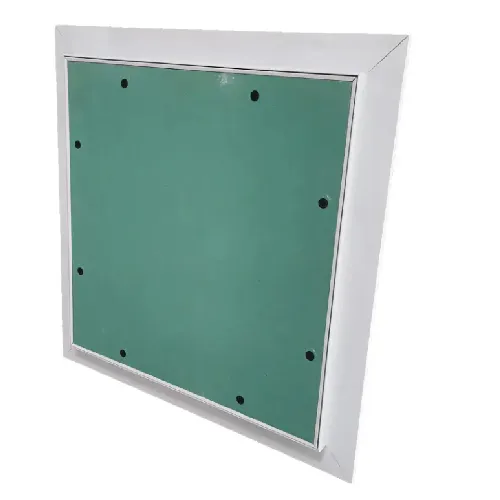
Simply put, an attic access door ceiling is the panel, hatch, or door integrated into a ceiling that allows passage to an attic space. It’s not just a hole with a flap — it’s a carefully engineered component designed to blend seamlessly with the ceiling, maintaining insulation integrity, fire resistance, and user safety.
In modern construction and renovation, its function extends beyond doors — it’s about creating an accessible, efficient, and often insulated pathway. Especially in humanitarian architecture and temporary housing solutions, it’s a simple yet essential part of design, making inspections, repairs, and airflow regulation easier without compromising structural safety.
Core Components And Important Factors in Attic Access Door Ceilings
1. Durability and Material Quality
Many engineers emphasize that the choice of materials defines lifespan and performance. Plywood, steel, composite panels, and insulated foam cores are common. For example, steel panels offer strength and fire resistance, but composite insulated panels improve energy efficiency. The materials also influence weight and ease of installation.
2. Thermal Insulation
Since attic doors penetrate the thermal envelope of buildings, their R-value — resistance to heat flow — matters. Higher R-values reduce air leakage and energy waste. Proper gaskets and sealing systems around the door frame further improve this aspect.
3. Ease of Access and Safety Features
Access doors should be easy to open but secure enough to prevent accidental falls. Drop-down ladders or folding staircases are often installed alongside. In fire-rated assemblies, the door must also meet rigorous safety codes.
4. Aesthetic Integration
Oddly enough, the attic door ceiling often doubles as a ceiling panel, so blending it with surrounding finishes — drywall, paint, or paneling — is important for overall interior harmony.
5. Cost Efficiency and Installation
While investing in a premium attic access door can seem costly upfront, it often pays off by lowering energy bills and easing maintenance costs. Manufacturers offer various price points depending on materials, size, and insulation level.
Attic Access Door Ceiling Product Specifications
| Specification | Standard Model | Insulated Model | Fire-Rated Model |
|---|---|---|---|
| Material | Plywood | Composite Panel with Foam Core | Steel with Fireproof Insulation |
| Dimensions (Standard) | 22" x 36" | 22" x 36" | 22" x 36" |
| R-Value | 0.5 | 5.2 | 3.0 |
| Fire Rating | None | None | Up to 1 Hour |
| Weight | 8 lbs | 12 lbs | 15 lbs |
Mini Takeaway: Selecting the right attic access door ceiling means balancing durability, insulation, safety, and design. Each model offers distinct advantages for different needs.
Vendor Comparison: Popular Attic Access Door Ceiling Suppliers
| Feature | Xingyuan Ceilings | AccessPro Solutions | BuildRight Doors |
|---|---|---|---|
| Product Range | Standard, Insulated, Fire-Rated | Primarily Standard & Insulated | Mostly Fire-Rated Models |
| Customization | High (Sizes, Finishes) | Medium | Low |
| Delivery Time | 2-3 Weeks | 1-2 Weeks | 3-4 Weeks |
| Warranty | 5 Years | 3 Years | 5 Years |
| Price Range | $$$ | $$ | $$$ |
Global Applications & Use Cases for Attic Access Doors
Around the world, from residential homes in Europe to industrial warehouses in Asia, attic access door ceilings are everywhere. I once visited a factory in Germany where these doors were critical for quick HVAC maintenance — minimizing downtime and improving worker safety.
In post-disaster zones, like after hurricanes in the US or typhoons in the Philippines, temporary shelters incorporate rigid attic access panels to allow ventilation and inspections without compromising shelter integrity. Similarly, data centers in Canada use insulated attic access for their roof equipment spaces, preventing cold air leaks that could otherwise spike energy costs.
If you work in construction or facilities management, understanding how regional differences affect attic access specifications can inform smarter choices — like adding moisture barriers in humid tropical climates or fire-resistance in wildfire-prone areas.
Advantages & Long-Term Value
- Energy Savings: Properly insulated attic doors prevent energy waste, reducing heating and cooling bills over years.
- Safety and Compliance: Fire-rated options meet strict building codes, providing peace of mind.
- Accessibility: Easy-to-use doors make maintenance safer and more efficient, lowering labor costs.
- Sustainability: Durable materials and effective sealing reduce replacement frequency and waste.
- Aesthetic Appeal: Seamless ceiling integration adds to overall interior design quality.
Frankly, the emotional comfort of knowing your attic is secure and your home energy-efficient can’t be overstated. It’s a sort of trust built deep into the building fabric.
Future Trends and Innovations
The future holds exciting advances. Imagine attic access door ceilings incorporating smart sensors for temperature, moisture, or air quality — all linked to home automation systems. Moreover, manufacturers are exploring recycled and bio-based insulation materials to improve sustainability.
Digital fabrication and modular design also enable precision-fit panels customized for complex ceiling geometries. Even green energy solutions, such as solar reflective coatings on attic doors, are becoming a reality. International standards like ISO 21930 (Sustainability in construction) increasingly pressure suppliers to innovate responsibly.
Challenges and Practical Solutions
Despite many innovations, challenges remain. Warping due to humidity, poor sealing leading to drafts, or difficulty in installation are all common complaints. Many manufacturers now provide pre-hung units or retrofit kits with weatherstripping to mitigate this.
Another tough nut is balancing fire-resistance with insulation thickness — some fire-rated panels don’t insulate as well. Emerging composite materials and layered designs attempt to solve this paradox.
FAQ: Common Questions About Attic Access Door Ceiling
- Q: How do I choose the right insulation level for my attic access door?
A: Consider your climate first; colder climates benefit from higher R-values (above 5). Also, look for models with effective sealing gaskets to ensure minimal air leakage. - Q: Can I install an attic door ceiling myself?
A: If you’re handy and have basic carpentry skills, yes – many units are designed for homeowner installation. However, for fire-rated or larger doors, professional installation is recommended to meet safety codes. - Q: Are fire-rated attic access doors mandatory?
A: It depends on local building codes and the attic’s function. Commercial buildings or homes in wildfire zones often require fire-rated doors; always check local regulations. - Q: What maintenance is required?
A: Regularly check seals, hinges, and the locking mechanism for wear. Cleaning dust and debris ensures they function smoothly and preserve insulation properties.
Conclusion
Summing up, the attic access door ceiling is one of those humble heroes of building design. It’s essential for energy efficiency, safety, and accessibility. Whether you’re upgrading a home attic or specifying for industrial facilities, it’s well worth investing time (and a little money) into getting the right door for long-term benefits. If you want to explore quality options or customized solutions, be sure to visit our website for expert advice and products perfectly tailored to your needs.
Reflections: Attic access door ceilings often fly under the radar, but with growing sustainability concerns and safety demands, their role is becoming more critical than ever.
References
-
Benefits and Guide of Mineral Fiber Ceiling Board for InteriorsNewsApr.16,2026
-
Modern Mineral Fiber Ceiling Solutions for Acoustic PerformanceNewsApr.09,2026
-
Mineral Fibre Board Ceiling vs Gypsum Board A Comprehensive Comparison GuideNewsApr.07,2026
-
Comprehensive Guide to Mineral Fiber Ceiling Specification and PerformanceNewsApr.04,2026
-
What Are Mineral Fiber Ceiling Tiles Made Of And Their ApplicationsNewsMar.31,2026
-
Exploring the Benefits of Suspended Mineral Fibre Ceiling Systems for Modern BuildingsNewsMar.28,2026