
Dec . 10, 2025 04:00 Back to list
Benefits and Specs of Direct Mount Ceiling Grid Systems | Industrial Use
Understanding the Benefits of direct mount ceiling grid Systems
Having spent over a decade working in the industrial equipment sector, I can tell you firsthand that choosing the right ceiling grid isn’t just about aesthetics. It’s about performance, flexibility, and frankly, ease of installation. The direct mount ceiling grid is one of those unsung heroes that keeps commercial and industrial spaces running smoothly, often without getting much attention.
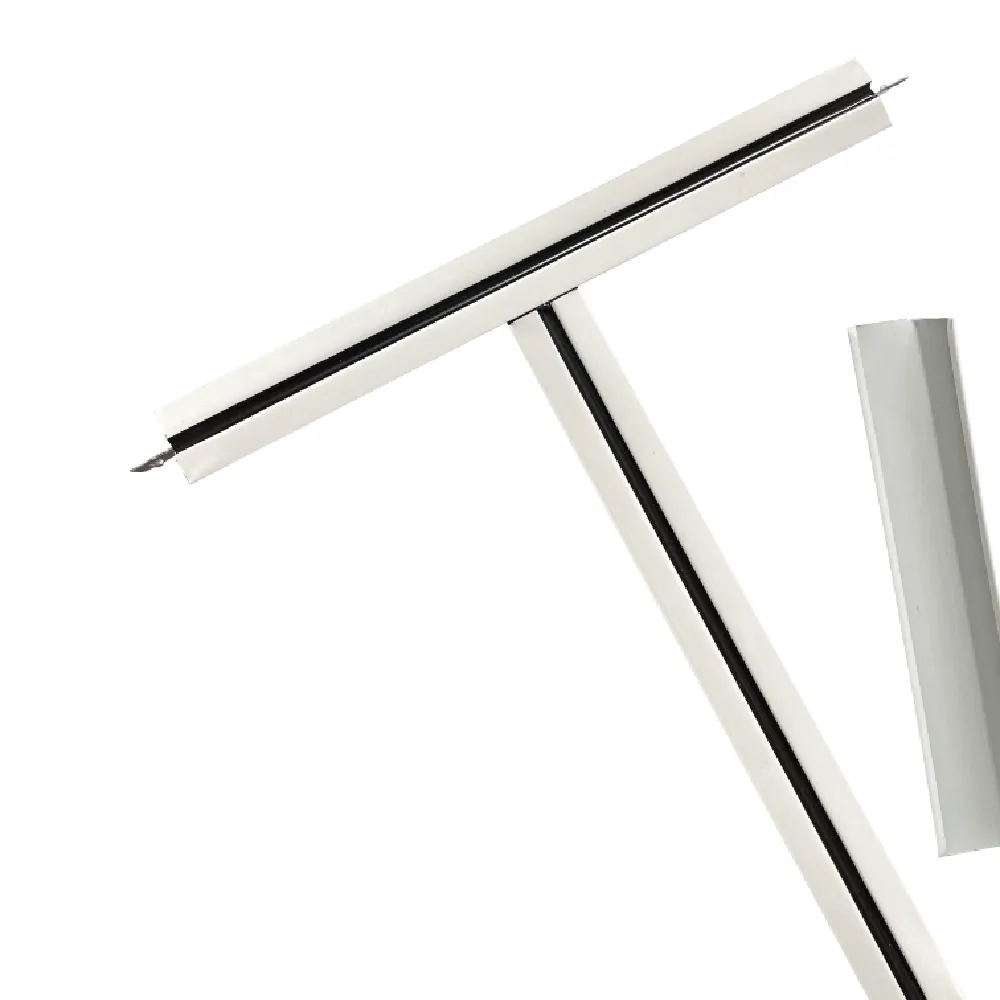
In simple terms, a direct mount ceiling grid system attaches directly to the structural ceiling or framing, unlike traditional suspended grids that hang from wires or rods. This seemingly small difference leads to a host of benefits—reduced installation time, better stability, and sometimes, even cost savings. I remember working on a project where time was tight and the direct mount system helped the team finish faster than expected. It felt like a win-win.
The industrial sector, as you might guess, demands robust and reliable materials. Most direct mount ceiling grids are made from galvanized steel or aluminum, offering excellent corrosion resistance and durability. I always pay attention to those specs since some environments, especially in factories or clean rooms, require anti-microbial coatings or extra reinforcement. It’s not just about holding panels in place; it’s about maintaining safety and longevity.
One curious thing I’ve noticed is how manufacturers innovate around the direct mount concept. Some offer customizable grid sizes or integrated lighting track options, which frankly can save space and streamline facility design. It’s what engineers love—solutions that keep things efficient, clean, and adaptable. If you’re ever visited a modern pharmaceutical plant or a high-tech assembly floor, these grids are often part of the unsung infrastructure excellence.
Direct Mount Ceiling Grid: Key Technical Specifications
| Feature | Specification |
|---|---|
| Material | Galvanized steel or aluminum alloys |
| Finish | Powder-coated, anti-microbial or corrosion-resistant |
| Grid Dimension | Custom widths from 12" to 48" available |
| Load Rating | Up to 50 lbs/ft² depending on design |
| Installation Method | Direct mount to structural ceiling, no suspension wires |
Now, you might wonder how these direct mount grids stack up against more conventional suspended grid systems. From what I've seen in warehouses and office retrofits, the reduced ceiling height needed for direct mount designs can make a noticeable difference—especially when ceiling height is limited or HVAC ducts are bulky. Plus, less hardware means fewer points of failure, which engineers always appreciate.
Vendor Comparison for Direct Mount Ceiling Grids
| Vendor | Material Options | Customization | Lead Time | Typical Cost |
|---|---|---|---|---|
| Xingyuan Ceilings | Galvanized steel, aluminum, powder-coated | High customization including size & finish | 2-3 weeks | Mid-range |
| Vendor B | Aluminum only | Limited customization | 1-2 weeks | Lower end |
| Vendor C | Steel only, no coating option | Standard sizes only | 3-4 weeks | Higher end |
Oddly enough, one memorable installation I witnessed was in a food processing plant, where the hygiene standards were so strict that the direct mount ceiling grid had to be not only corrosion resistant but also treated against microbial growth. The product supplied by the vendor I trust most, Xingyuan Ceilings, fulfilled all these conditions without dramatic cost escalation. The interview with the plant engineer afterward was illuminating — he mentioned it reduced ceiling contamination far more effectively than their previous setup.
Thanks to direct mounting, they saved on ceiling cavity depth by several inches, which permitted better airflow and easier maintenance access. This is exactly the sort of real-world gain that pure specs and datasheets often miss — flexibility and peace of mind.
Bottom line? Whether you’re retrofitting an existing industrial site or building a new facility, the direct mount ceiling grid system is definitely worth a closer look. It cuts installation complexity, offers customization for specialized environments, and stands up well to industrial wear and tear. And frankly, it feels good to work with components designed to make your job easier.
References:
1. "Industrial Ceilings: Material and Design Considerations," Journal of Construction Engineering, 2022.
2. Xingyuan Ceilings Technical Brochure, 2023.
3. Interview with Plant Engineer, Food Processing Facility, 2023.
-
Benefits and Guide of Mineral Fiber Ceiling Board for InteriorsNewsApr.16,2026
-
Modern Mineral Fiber Ceiling Solutions for Acoustic PerformanceNewsApr.09,2026
-
Mineral Fibre Board Ceiling vs Gypsum Board A Comprehensive Comparison GuideNewsApr.07,2026
-
Comprehensive Guide to Mineral Fiber Ceiling Specification and PerformanceNewsApr.04,2026
-
What Are Mineral Fiber Ceiling Tiles Made Of And Their ApplicationsNewsMar.31,2026
-
Exploring the Benefits of Suspended Mineral Fibre Ceiling Systems for Modern BuildingsNewsMar.28,2026