
Dec . 13, 2025 00:55 Back to list
Best Grid False Ceiling Materials for Durable Industrial Interiors
Understanding Grid False Ceiling Materials: An Insider’s Take
If you’ve ever wandered through commercial buildings or industrial warehouses, you’ve probably glimpsed the subtle but essential role of grid false ceiling materials. Frankly, after spending years in industrial equipment and site fit-outs, I can say this is one of those overlooked heroes in building interiors. It keeps lighting and ductwork tidy, hides unsightly cables, and shapes acoustics — all without screaming for attention.
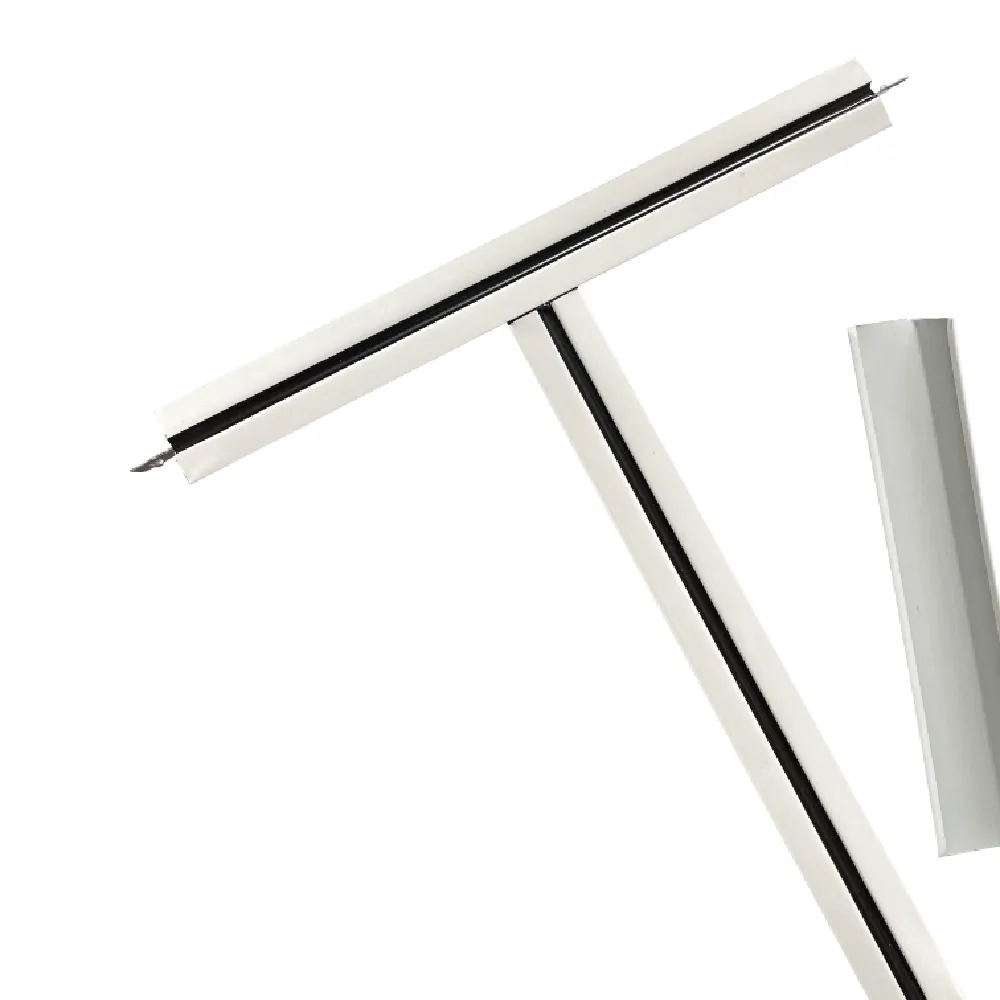
In real terms, a grid false ceiling system is a lightweight metal framework, usually made from aluminum or galvanized steel. It supports panels—commonly mineral fiber, metal tiles, or gypsum board—which sit flush in the grid cells. What caught my eye early on was how the choice of grid and panel materials can make or break an installation.
Oddly enough, it’s not just about looks. There are too many factors at play: moisture resistance, fire ratings, load capacity, and acoustic performance all matter. For instance, in industrial environments where humidity or temperature swings are common, you want grid materials that won’t warp or corrode. Aluminum alloys treated specifically for anti-rust are gold standards here.
Many engineers I worked with swear by customized grid finishes to combat dust build-up in dusty factory settings. That means powder coating or anodizing the metal grids for durability and easier cleaning. You see, it’s really not one-size-fits-all.
Here’s a quick look at what you might expect from typical grid materials used in false ceiling projects:
| Material | Weight | Corrosion Resistance | Typical Finish | Cost Range |
|---|---|---|---|---|
| Aluminum Alloy | Lightweight (~2.7 g/cm³) | Excellent (anodized or powder coated) | Powder coating, anodized | Mid to High |
| Galvanized Steel | Heavier (~7.85 g/cm³) | Good (zinc coating) | Primed or painted | Low to Mid |
| Hot-Dip Steel | Heavy (~7.9 g/cm³) | Moderate (thicker zinc layer) | Usually bare or painted | Low |
Now, vendors out there offer a wide variety of grid systems, but choosing the right one definitely calls for some homework. For example, some offer modular grids designed for quick installation and reconfiguration—something a lot of renovation projects appreciate. Others boast sturdier, heavier-duty systems aimed at harsh industrial zones.
Based on my experience, here’s a simplified comparison between some popular grid providers in the market:
| Vendor | Material Options | Customization | Typical Lead Time | Price Level |
|---|---|---|---|---|
| Xingyuan Ceilings | Aluminum, Galvanized Steel | High (custom sizes & finishes) | 3-4 weeks | Mid |
| Acme Ceiling Systems | Steel only | Low (standard modules) | 2-3 weeks | Low |
| Topline Grids | Aluminum only | Medium (limited colours) | 4-5 weeks | High |
I’ve worked alongside clients who initially underestimated the grid material specs — especially in food processing plants where corrosion resistance was critical to meet hygiene standards. After switching to anodized aluminum grids from trusted suppliers like Xingyuan Ceilings, their maintenance crews reported fewer issues and cleaning got simpler.
Of course, project budgets can’t be ignored, but in this sector, cutting corners on ceiling grids can lead to costly reworks. It pays off to think long term — durability, adaptability, and warranty terms all matter.
All in all, choosing grid false ceiling materials feels like part science, part art — balancing structural needs with environmental conditions and future flexibility. It’s a nuanced puzzle, but the right choices absolutely make a difference in the final build quality and lifespan.
And so, whether you’re retrofitting an old warehouse or designing a cutting-edge facility, putting thought into your grid false ceiling materials sets you up for smoother, lasting results.
References:
1. ASTM Standards for Suspended Ceilings
2. Industry case studies on ceiling durability (2018-2023)
3. Discussions with seasoned industrial engineers
-
Benefits and Guide of Mineral Fiber Ceiling Board for InteriorsNewsApr.16,2026
-
Modern Mineral Fiber Ceiling Solutions for Acoustic PerformanceNewsApr.09,2026
-
Mineral Fibre Board Ceiling vs Gypsum Board A Comprehensive Comparison GuideNewsApr.07,2026
-
Comprehensive Guide to Mineral Fiber Ceiling Specification and PerformanceNewsApr.04,2026
-
What Are Mineral Fiber Ceiling Tiles Made Of And Their ApplicationsNewsMar.31,2026
-
Exploring the Benefits of Suspended Mineral Fibre Ceiling Systems for Modern BuildingsNewsMar.28,2026