
Nov . 29, 2025 05:05 Back to list
Ceiling Hatch Access Door – Key Features, Applications, and Trends for 2024
Understanding Ceiling Hatch Access Doors: Why They Matter Globally
When you first hear ceiling hatch access door, it might just sound like a simple panel in a ceiling. But dig a little deeper and you realize it’s so much more than that—it’s quite literally a gateway to safety, maintenance, and sometimes emergencies. Around the world, whether in a bustling industrial plant or a disaster relief shelter, ceiling hatch doors offer convenience, security, and access crucial to large-scale operations.
Globally, as urbanization increases (the UN reports over 56% of people live in cities) and buildings grow ever more complex, having robust ceiling access systems becomes essential. Think about this: engineers, safety inspectors, and technicians all rely on reliable, well-placed ceiling hatches to keep facilities running smoothly. Beyond everyday usage, in humanitarian operations and industrial zones, these doors help maintain safety standards and facilitate rapid interventions.
Quick takeaway: The ceiling hatch access door is a small but powerful player in global infrastructure, marrying practicality with safety.
Ceiling Hatch Access Door: Definition and Its Industrial Connection
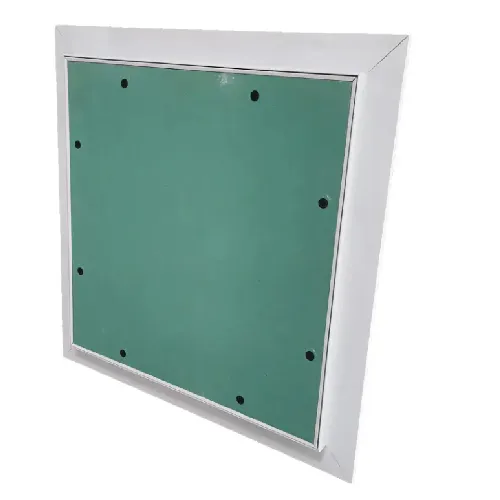
So, what exactly is a ceiling hatch access door? Simply put, it’s an opening in a ceiling fitted with a door or panel, designed to provide controlled access to spaces above ceilings—attics, mechanical systems, wiring, ductwork, or storage areas. Unlike regular room doors, these hatches must balance easy access with fire resistance, durability, insulation, and sometimes even security.
In modern industries—from manufacturing plants to hospitals—they’re indispensable as points of inspection and maintenance. In humanitarian contexts, these concealed doors sometimes double as emergency exits or hidden storage compartments, giving relief workers easy, quick access to vital areas.
Core Components and What Makes a Good Ceiling Hatch Access Door
1. Durability and Material Quality
The materials used—usually steel, aluminum, or high-grade composites—determine longevity and resistance to corrosion or fire. I’ve noticed that sites exposed to moisture or harsh environments lean heavily on galvanized steel, which stands the test of time.
2. Size and Scalability
Ceiling hatches come in sizes from just over a foot square to several feet wide, depending on what they must access. The ability to customize size means they fit everything from cramped crawl spaces to large equipment rooms.
3. Ease of Installation and Maintenance
Often overlooked, but critical: how quickly these hatches can be installed and serviced matters immensely to project managers and maintenance crews alike.
4. Security and Fire Resistance
Many building codes mandate fire-rated ceiling access doors, especially in commercial or public buildings. Additionally, locking mechanisms help restrict access to authorized personnel only, balancing safety and security.
5. Insulation and Soundproofing
In hospitals or offices, insulation properties reduce noise pollution between floors and help regulate temperature.
Summary:
Durability, size adaptability, installation ease, security, and insulation form the backbone of a functional ceiling hatch access door. These factors decide if a hatch is just a panel or a critical component of building infrastructure.
Real-World Applications: Where Do Ceiling Hatch Access Doors Shine?
In industries ranging from pharmaceuticals to telecommunications, ceiling hatch access doors are enabling regular inspections of piping, electrical conduits, and ventilation systems. For example:
- Post-disaster relief operations: Relief camps use ceiling hatches for quick access to stored supplies or emergency wiring.
- Remote industrial zones: Plants in deserts or arctic regions use fireproof hatches to protect sensitive machinery from extreme weather.
- Large urban hospitals: Soundproofed access doors help maintain sterile environments with minimal disruption.
Oddly enough, even luxury homes are embracing these doors—mainly to disguise utility areas without sacrificing easy access.
Comparing Popular Ceiling Hatch Access Door Models
| Specification | SteelFire Pro 900 | AluSecure 750 | QuickAccess Lite |
|---|---|---|---|
| Material | Galvanized Steel | Aluminum Alloy | Composite Panel |
| Fire Rating | 90 minutes | 60 minutes | 30 minutes |
| Size Range (mm) | 450 x 450 – 900 x 900 | 300 x 300 – 750 x 750 | 400 x 400 – 600 x 600 |
| Locking Mechanism | Keyed Lock | Latch Lock | Push-to-Open |
| Estimated Price | $180 - $300 | $120 - $220 | $90 - $150 |
Benefits of Choosing a Quality Ceiling Hatch Access Door
First off, safety. These doors can be fire-rated to protect infrastructure and human lives during emergencies. Beyond safety, they allow for smooth inspections, reducing downtime for facilities that can’t afford it—think hospitals and power plants. Their insulation qualities contribute to energy savings. And don’t dismiss the psychological element—the security and peace of mind that access control brings are quite real.
Ultimately, these advantages translate into long-term savings, better reliability, and smoother operational flows.
Emerging Trends: What’s Next for Ceiling Hatch Access Doors?
There’s an ongoing push for smart access—doors integrated with IoT sensors to monitor usage and detect breaches. Materials science is contributing too; we see stronger, lighter, and eco-friendlier composites replacing steel in some applications. Automation is creeping in with motorized hatch doors for hard-to-reach places.
Sustainability trends focus on recyclable materials and thermal efficiency, meeting ISO’s rising environmental standards for commercial buildings worldwide.
Challenges and Innovative Solutions
Usually, it’s about balancing security with accessibility. Overly complicated locking systems slow down maintenance, while simpler ones might be less secure. Weatherproofing is another challenge, especially in extreme climates.
Experts suggest modular designs with interchangeable parts for easy upgrades, plus hybrid locks that combine mechanical and electronic security—for those who want both reliability and tech-savviness.
Vendor Comparison: Leading Ceiling Hatch Access Door Manufacturers
| Vendor | Product Range | Customization Options | Shipping & Warranty |
|---|---|---|---|
| Xingyuan Ceilings | Wide (steel, aluminum, composite) | Full size/material customization | Global shipping, 5-year warranty |
| AccessTech Solutions | Moderate (mostly steel, focus on security) | Limited to size & locking types | Regional shipping, 3-year warranty |
| EcoHatch | Niche (recyclable, eco-friendly materials) | Mostly fixed sizes and models | Worldwide shipping, 2-year warranty |
Frequently Asked Questions About Ceiling Hatch Access Doors
Q1: Are ceiling hatch access doors fire rated?
Yes, many models come with fire resistance ratings varying from 30 up to 90 minutes, depending on the material and design. Fire-rated doors are crucial in commercial buildings to comply with safety regulations.
Q2: Can I install a ceiling hatch access door myself?
While smaller, simpler panels might be DIY-friendly for handy homeowners, commercial installations usually require professional fitting to meet building codes and ensure proper sealing and safety.
Q3: How often should I inspect or maintain these doors?
Typically, a bi-annual check is recommended, especially in high-use areas. Inspections ensure locks function smoothly, seals hold up, and that there’s no corrosion or damage.
Q4: What sizes are available for ceiling hatch access doors?
Sizes vary widely to suit different needs—from small openings of about 300mm square to large panels exceeding 900mm square. Custom sizes are often available through manufacturers.
Q5: Are there eco-friendly options for ceiling hatch access doors?
Yes! Some vendors offer doors made from recycled or recyclable materials with better insulation and reduced environmental impact. Look for certifications like ISO 14001 when choosing eco-friendly options.
Wrapping Up: Why Investing in the Right Ceiling Hatch Access Door Pays Off
Ultimately, a ceiling hatch access door isn't just a simple panel—it’s a vital linchpin in building safety and operational efficiency. From industrial plants to humanitarian relief centers, selecting the right hatch means peace of mind, compliance with global standards, and real cost savings.
Looking for quality and customization? Don’t hesitate to visit ceiling hatch access door suppliers who specialize in both standard and tailored solutions built to last.
References
-
Benefits and Guide of Mineral Fiber Ceiling Board for InteriorsNewsApr.16,2026
-
Modern Mineral Fiber Ceiling Solutions for Acoustic PerformanceNewsApr.09,2026
-
Mineral Fibre Board Ceiling vs Gypsum Board A Comprehensive Comparison GuideNewsApr.07,2026
-
Comprehensive Guide to Mineral Fiber Ceiling Specification and PerformanceNewsApr.04,2026
-
What Are Mineral Fiber Ceiling Tiles Made Of And Their ApplicationsNewsMar.31,2026
-
Exploring the Benefits of Suspended Mineral Fibre Ceiling Systems for Modern BuildingsNewsMar.28,2026