
Oct . 24, 2025 15:35 Back to list
Ceiling T Grid: Durable, Easy Install, Budget-Friendly
Ceilings t grid Suspended System: field notes from job sites and spec desks
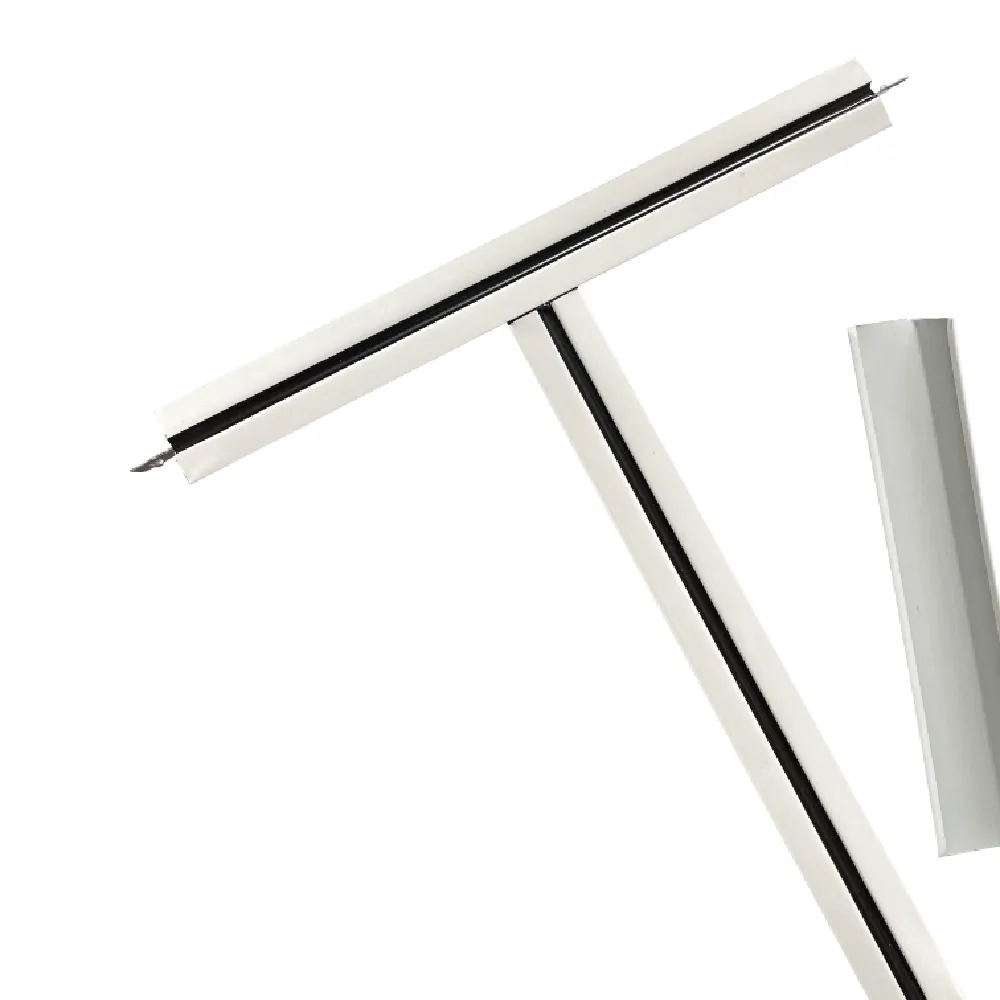
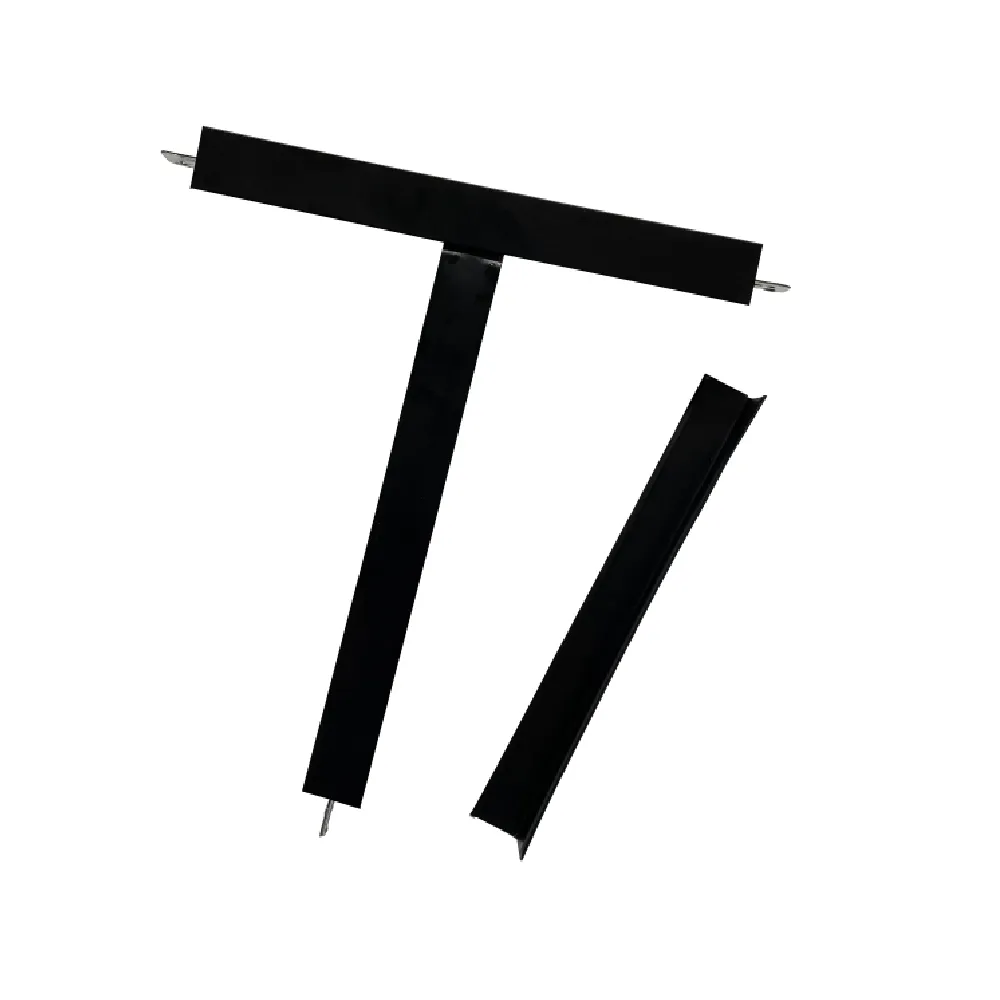
If you’re weighing up a Ceiling T Grid for your next fit‑out, you already know the stakes: straight lines, fast installs, and zero callbacks. This system from Jinzhou City, Hebei (North of Xiangqiu village, North Zhaozhuang Industrial Zone) has been showing up in RFQs more often, and—to be honest—there’s a reason. It’s versatile: flat, through, and three‑dimensional profiles that match different board edges without drama.
What’s trending and why it matters
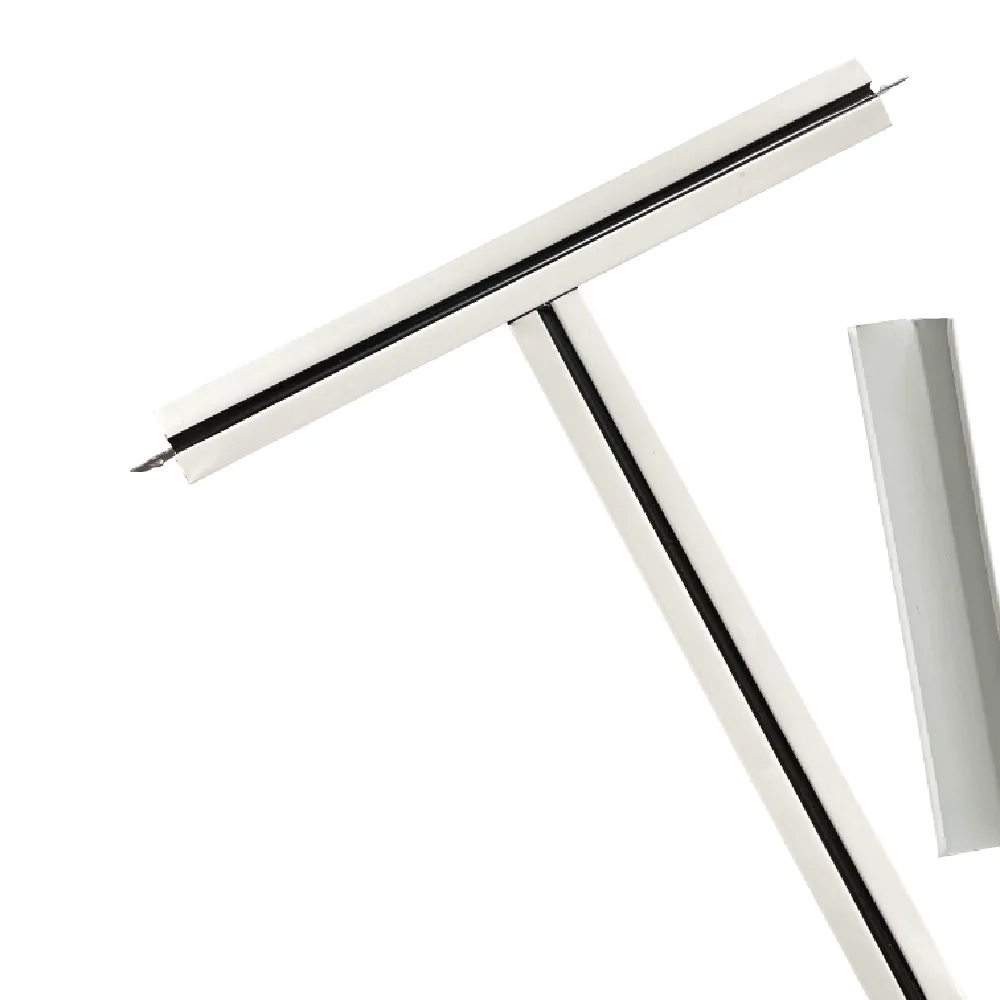
Across offices, retail, and healthcare, specifiers want grids that balance speed with durability. Two clear trends: higher corrosion resistance for humid zones and better seismic performance. Actually, many customers say the sweet spot is a mid‑weight, galvanized steel Ceiling T Grid with clean coating and quick-lock connections that don’t fight the installer.
Core specs at a glance
Common sizes delivered from this line include:
| Profile | Nominal Size | Material | Coating | Notes |
|---|---|---|---|---|
| Main T | 32×24×3600×0.3 mm | Galvanized steel (≈ DX51D) | Zn 80–120 g/m² (real‑world may vary) | For 600/1200 module layouts |
| Cross T (long) | 26×24×1200×0.3 mm | Galvanized steel | Polyester topcoat + zinc | Snap‑in connection |
| Cross T (short) | 26×24×600×0.3 mm | Galvanized steel | Low‑gloss finish | Tight module control |
| Wall angle | 22×22×3000×0.3 mm | Galvanized steel | Color‑matched | Neat perimeters |
Process, testing, and service life
Materials: prime galvanized steel coil, roll‑formed, punched, notched, then baked‑enamel coated. Methods: inline QC checks for straightness and hook fit; random lot tests for load and corrosion. Typical tests reference ASTM C635/C636 (system performance and installation), EN 13964 (CE requirements), and ISO 9227 salt spray. In practice, I’ve seen ≥72–120 h neutral salt spray reported on similar grids. Expected service life ≈15–25 years indoors when installed per spec and kept dry.
Where it’s used
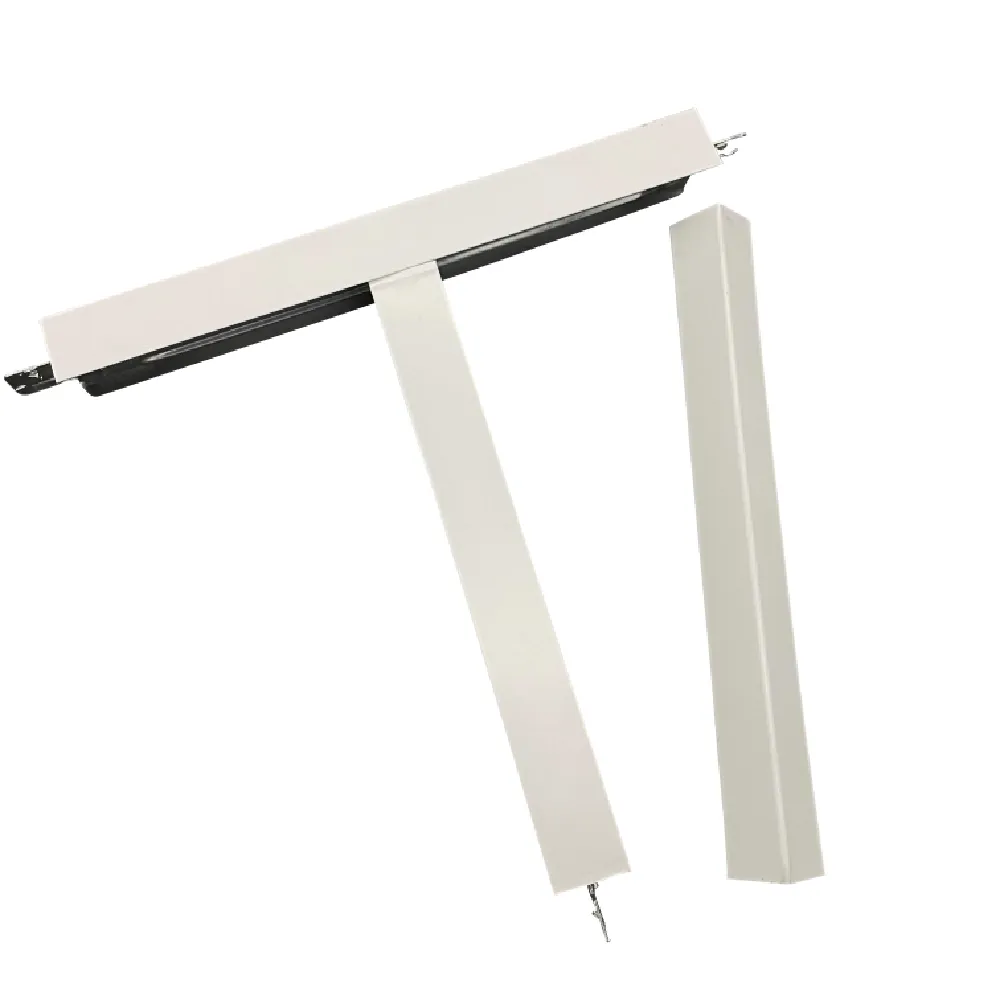
- Corporate offices and classrooms—fast module alignment with mineral fiber tiles.
- Healthcare corridors—spec for cleanable tiles; pick higher Zn if humidity spikes.
- Retail and transit hubs—long runs, consistent sightlines.
- Back‑of‑house/M&E ceilings—easy access to services, minimal tool time.
Customers say the Ceiling T Grid feels “solid without the premium price”—not scientific, but consistent feedback.
Vendor snapshot (approximate)
| Vendor | Certificates | Lead Time | Customization | Price |
|---|---|---|---|---|
| Xingyuan Ceilings (Hebei) | EN 13964 basis; factory QA docs | ≈ 2–4 weeks | Colors, lengths, OEM packs | Value tier |
| Premium EU brand | CE, EPD, seismic reports | Stock to 3 weeks | Wide system options | High |
| Generic import | Basic factory QC | 3–6 weeks | Limited | Low |
Comparison is indicative; verify current certificates, coatings, and spans before tender. Real‑world use may vary.
Customization and options
Flat, through, and 3D Ceiling T Grid layouts can be mixed to suit tegular or square edge tiles; custom color matching and carton branding are available. For coastal or kitchens, ask for higher zinc class and sealed cut ends.
Mini case files
Retail refresh (2,800 m²): swapped in 32×24 mains; installers reported ~12% faster layout due to consistent hooks. Hospital corridor: upgraded to thicker wall angle to reduce shadow gaps; maintenance praised easy tile drop‑down.
Spec tips
- Reference ASTM C635/C636 or EN 13964 in the project spec; include load class and corrosion class.
- Confirm tile compatibility (square/tegular), hanger spacing, and seismic details if required.
- Request recent salt‑spray and span data; keep samples from the same batch as delivery.
Final thought: it seems this Ceiling T Grid hits the practical sweet spot—clean lines, sensible coatings, and enough options without drowning you in SKUs.
Authoritative references
- ASTM C635/C635M – Standard Specification for Metal Suspension Systems for Acoustical Tile and Lay‑In Panels
- ASTM C636/C636M – Standard Practice for Installation of Metal Ceiling Suspension Systems
- EN 13964 – Suspended ceilings. Requirements and test methods
- ISO 9227 – Corrosion tests in artificial atmospheres (salt spray tests)
-
Benefits and Guide of Mineral Fiber Ceiling Board for InteriorsNewsApr.16,2026
-
Modern Mineral Fiber Ceiling Solutions for Acoustic PerformanceNewsApr.09,2026
-
Mineral Fibre Board Ceiling vs Gypsum Board A Comprehensive Comparison GuideNewsApr.07,2026
-
Comprehensive Guide to Mineral Fiber Ceiling Specification and PerformanceNewsApr.04,2026
-
What Are Mineral Fiber Ceiling Tiles Made Of And Their ApplicationsNewsMar.31,2026
-
Exploring the Benefits of Suspended Mineral Fibre Ceiling Systems for Modern BuildingsNewsMar.28,2026