
Nov . 07, 2025 14:30 Back to list
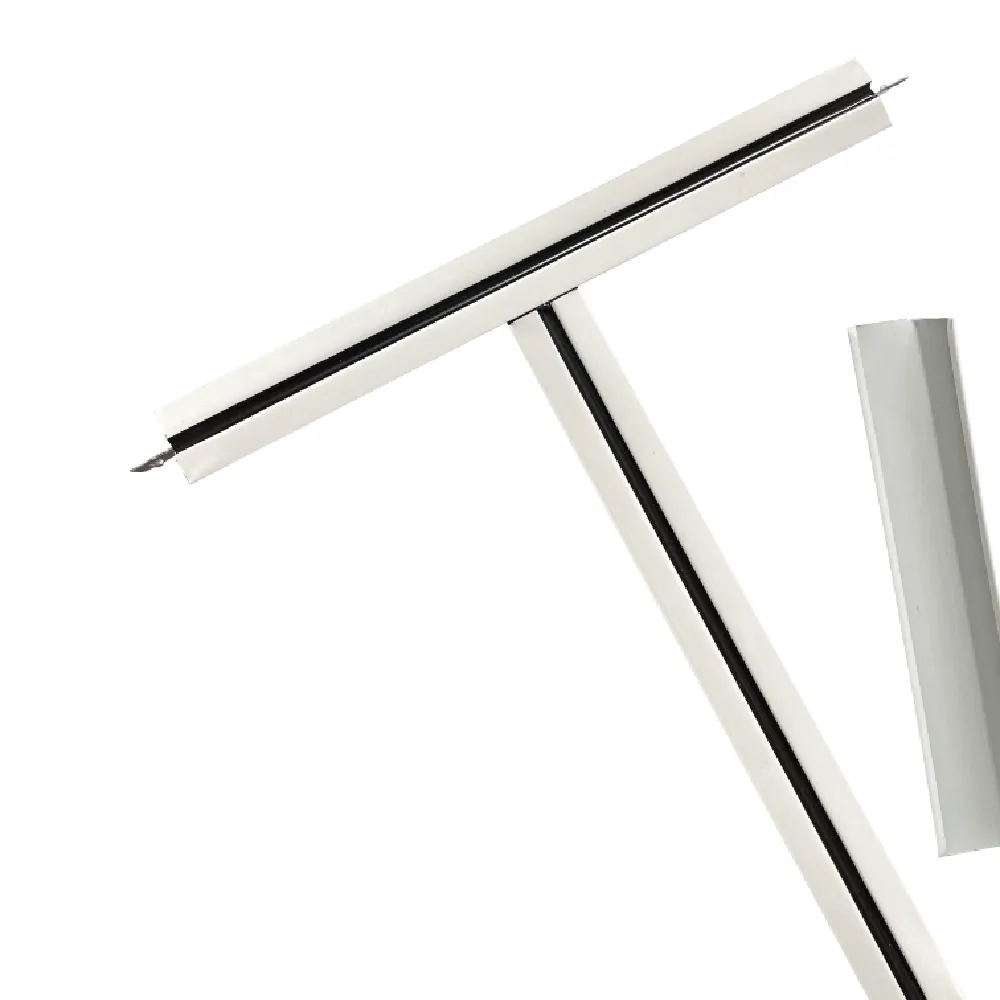
Ceiling T Grid: Durable, Easy Install & Cost-Effective
Ceiling T Grid: insider notes from the jobsite and the factory line
I’ve spent too many nights under fluorescent lights staring up at suspended ceilings, wondering why some installs look razor-straight while others, well, sag. The difference, more often than not, comes down to the Ceiling T Grid—the backbone of a clean, stable, and code-compliant suspended ceiling.
What’s trending (and what actually matters)
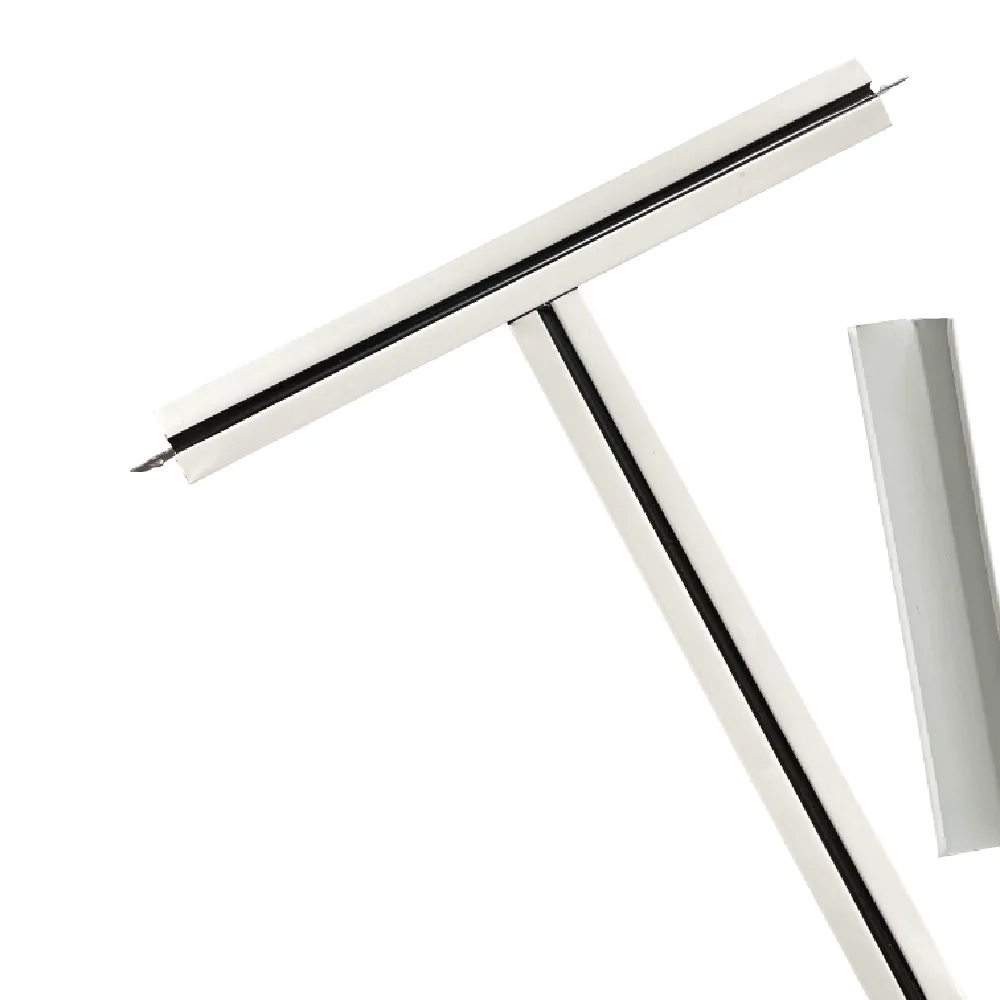
Two big shifts: contractors want faster click-in connections and higher corrosion resistance for mixed-use projects. Powder-coated and hot-dip galvanized steel grids are winning. Also, specifiers are leaning into EN 13964 and ASTM C635/C636 duty classes—no surprises there. Many customers say they prefer prepainted white with a subtle sheen; it hides dust and scuffs better in real-world use.
Product snapshot: Ceilings t grid Suspended System
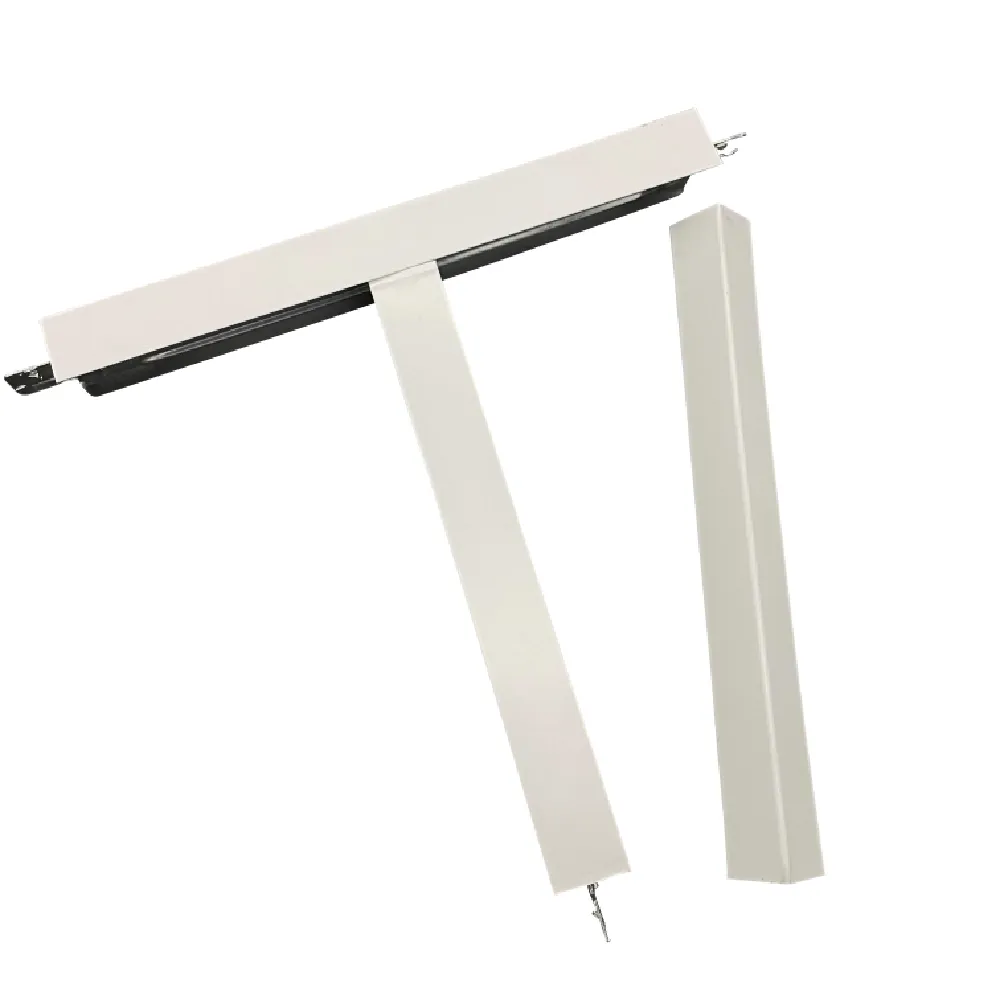
Origin: North of Xiangqiu village, North Zhaozhuang Industrial Zone, Jinzhou City, Hebei province. Variants include flat, through, and three-dimensional profiles—matched to the board edge detail (square, tegular, microlook). Dimensions they run regularly: 32×24×3600×0.3 mm; 26×24×1200×0.3 mm; 26×24×600×0.3 mm; 22×22×3000×0.3 mm.
| Item | Spec (≈) | Notes |
|---|---|---|
| Material | Galvanized steel (DX51D+Z or equiv.) | Zinc coating around Z120–Z180; real-world may vary |
| Coating | Pre-painted / powder-coated | White RAL 9016 common; custom colors on request |
| Thickness | 0.30 mm nominal | Tolerances per EN 10143 |
| Duty Class | Intermediate to Heavy (ASTM C635) | Check span/load charts for tile weight |
| Lengths | 600 / 1200 / 3000 / 3600 mm | Mains and tees matched set |
| Service life | ≈15–25 years indoors | Longer with low humidity, non-coastal conditions |
How it’s made and tested (the short version)
- Materials: galvanized coil → slitting → roll-forming → precision punching → locking tab forming → coating touch-up → packaging.
- Methods: roll-form tooling keeps web straightness; clip geometry checked every batch.
- Testing: load/deflection per ASTM C635; system install per ASTM C636; reaction to fire per EN 13501-1 (often A1/A2); surface burning per UL 723/ASTM E84; salt spray where requested (ISO 9227).
- Certs: ISO 9001 QMS; CE for EN 13964 systems; factory DoP available on request.
Where it fits
Retail rollouts, classrooms, offices, healthcare corridors, transport hubs, and—surprisingly—boutique cafes that want easy access to MEP. For humid zones, specify higher zinc and sealed coatings. For seismic, verify bracing and heavy-duty Ceiling T Grid with certified clips.
Real-world feedback
Installers tell me the click feels positive, not mushy, and alignment stays true over 12–14 m runs when leveled right. One GC claimed install times dropped ≈12% compared with their previous brand—small sample, but it tracks.
Vendor comparison (indicative)
| Vendor | Duty Class | Corrosion Option | Notable |
|---|---|---|---|
| Xingyuan (Hebei) | Intermediate/Heavy | Z120–Z180, powder coat | Good lead times; custom colors |
| Vendor A | Light/Intermediate | Z100 | Budget-focused |
| Vendor B | Heavy | Z180+, marine option | Premium price |
Customization and add-ons
- Edge compatibility: square/tegular/microlook tiles.
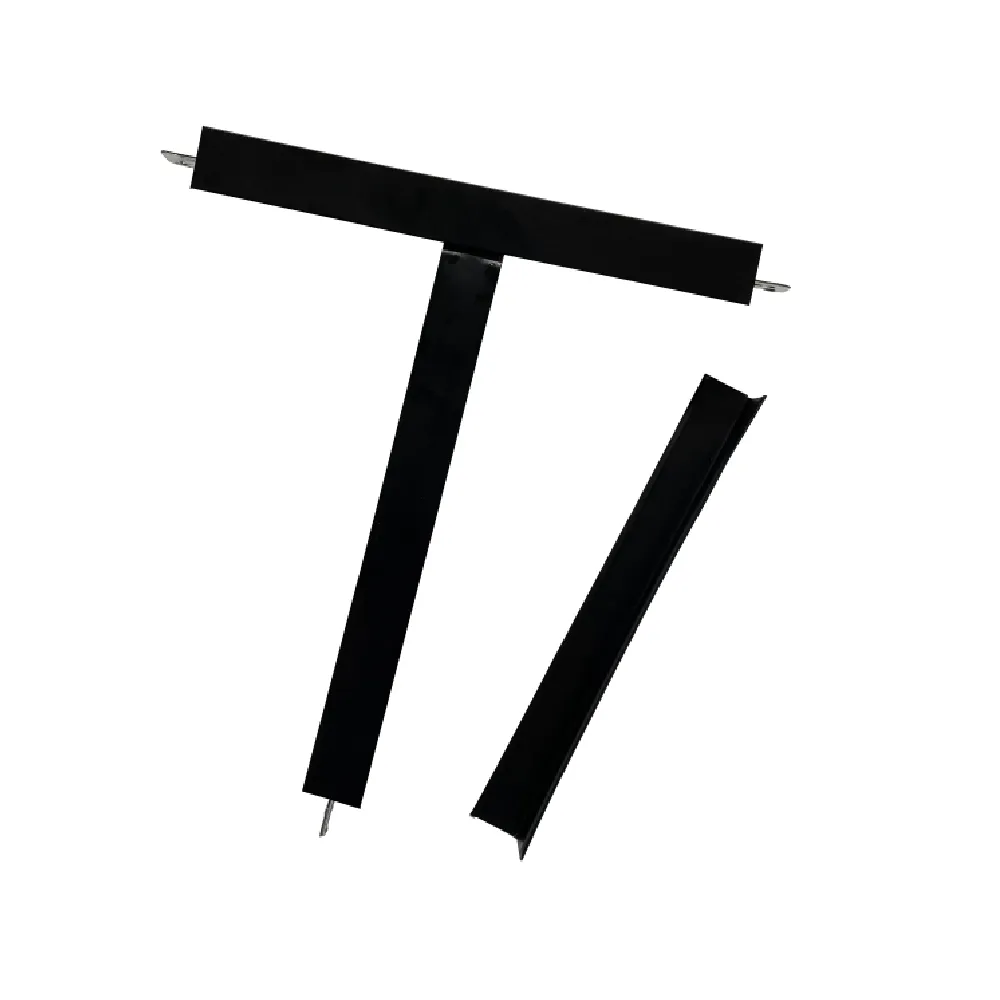
- Colors: RAL palette; black grids for studios and retail are popular now.
- Accessories: seismic clips, shadowline trims, perimeter angles, hanger wires.
Case notes (quick hits)
- University library retrofit: 3600 mm mains + 1200/600 tees; deflection under 0.5 mm at design load; handover ahead of schedule. - Clinic corridor: specified heavier zinc; zero rust spotting at 18-month review. To be honest, maintenance helps.
Compliance snapshot
Designed to align with EN 13964 system requirements, ASTM C635/C636 installation practice, and typical fire classifications A1/A2 (verify with local code and tile pairing). Always cross-check the project’s seismic and HVAC constraints.
References:
- ASTM C635/C635M – Standard Specification for Metal Suspension Systems for Acoustical Tile and Lay-in Panels.
- ASTM C636/C636M – Standard Practice for Installation of Metal Ceiling Suspension Systems.
- EN 13964 – Suspended ceilings. Requirements and test methods.
- UL 723 / ASTM E84 – Surface Burning Characteristics of Building Materials.
- ISO 9227 – Corrosion tests in artificial atmospheres (salt spray tests).
-
Benefits and Guide of Mineral Fiber Ceiling Board for InteriorsNewsApr.16,2026
-
Modern Mineral Fiber Ceiling Solutions for Acoustic PerformanceNewsApr.09,2026
-
Mineral Fibre Board Ceiling vs Gypsum Board A Comprehensive Comparison GuideNewsApr.07,2026
-
Comprehensive Guide to Mineral Fiber Ceiling Specification and PerformanceNewsApr.04,2026
-
What Are Mineral Fiber Ceiling Tiles Made Of And Their ApplicationsNewsMar.31,2026
-
Exploring the Benefits of Suspended Mineral Fibre Ceiling Systems for Modern BuildingsNewsMar.28,2026