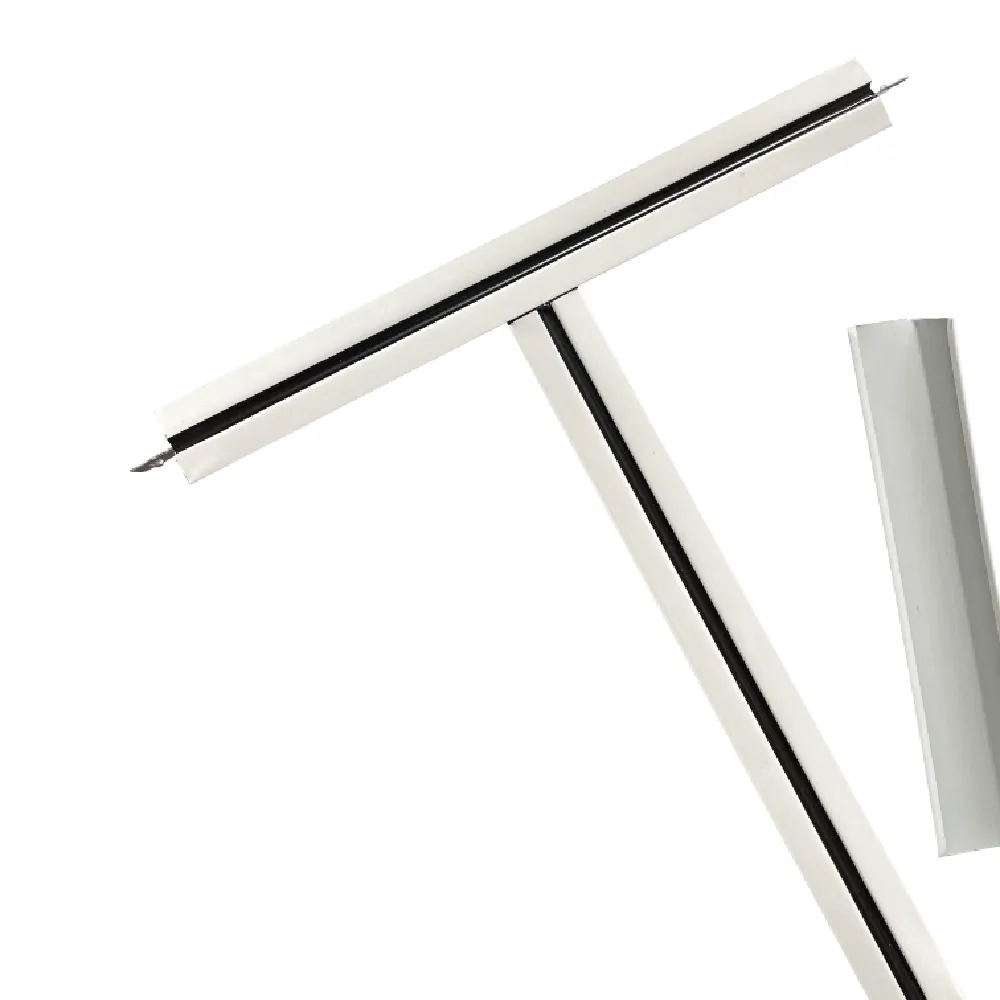
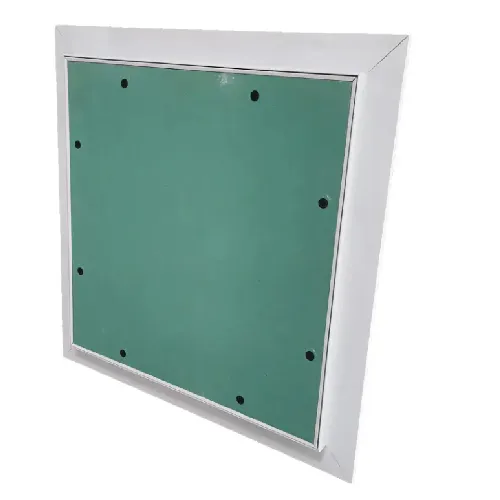
If you’ve ever stared at a clean, flat office ceiling and thought, “that looks simple,” well, the unsung hero is the
Ceiling T Grid. For this piece, I took a fresh look at the Ceilings t grid Suspended System made in the North Zhaozhuang Industrial Zone, Jinzhou City, Hebei—yes, the same cluster that quietly supplies a big chunk of the world’s commercial interiors. It’s a practical product, but there’s craft in it too, and—surprisingly—innovation doesn’t stand still here.
Industry trends, quickly: designers are moving toward slimmer sightlines (T15), tighter tolerances, and faster “click-in” connections; contractors want seismic options; owners want greener metal and verified load classes. In fact, many customers say the newest roll-formed profiles feel stiffer without adding weight—small improvements that save installation time.
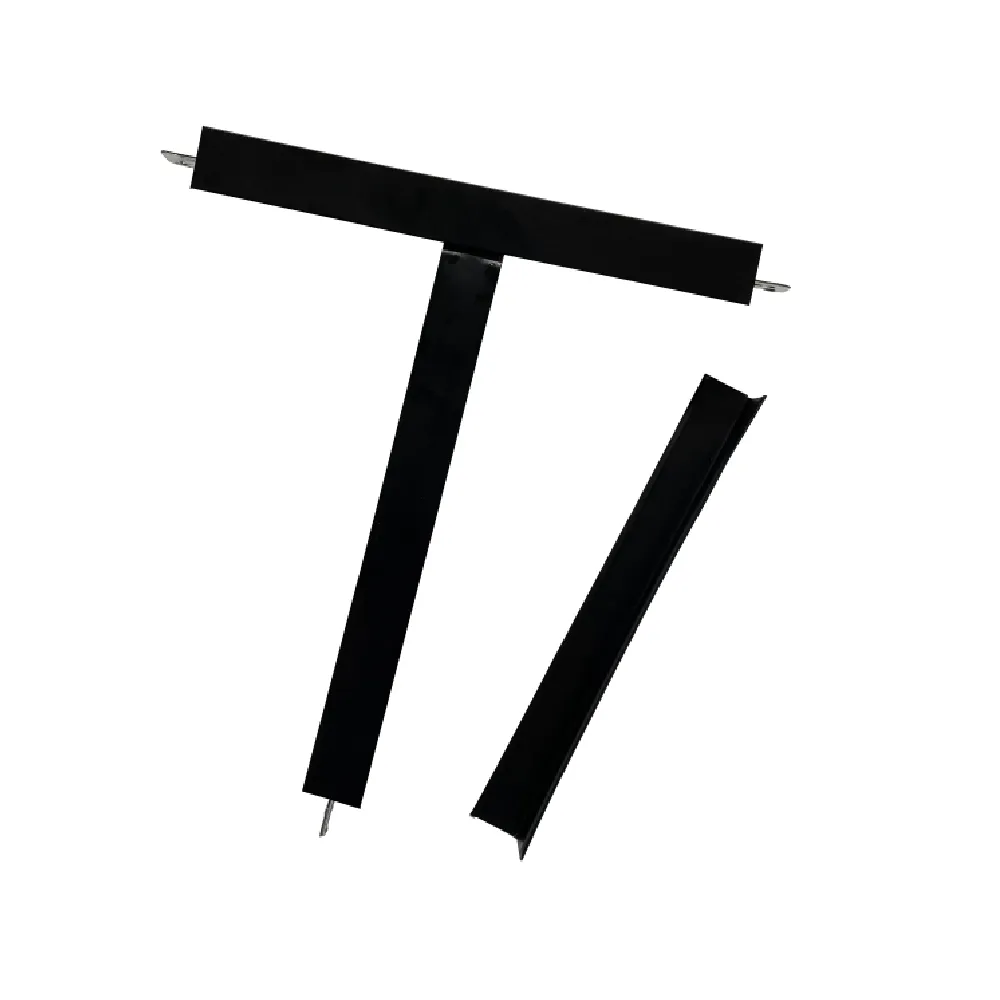
Let’s talk specs. This system comes in several profiles and lengths to match board edges—flat, through, even three-dimensional tile edges. The common sets many buyers ask for are 32x24x3600x0.3 mm, 26x24x1200x0.3 mm, 26x24x600x0.3 mm, and 22x22x3000x0.3 mm. Below is a compact snapshot.
| Item |
Profile/Size |
Length |
Thickness |
Coating |
Connector |
| Main Tee |
32×24 |
3600 mm |
0.3 mm |
Z120–Z180 g/m² (≈) |
Stab/Hook (snap) |
| Cross Tee |
26×24 |
1200 mm |
0.3 mm |
Pre-painted/galv |
Positive lock |
| Cross Tee |
26×24 |
600 mm |
0.3 mm |
Pre-painted/galv |
Positive lock |
| Wall Angle |
22×22 |
3000 mm |
0.3 mm |
Polyester finish |
— |
Process, in brief: coil-coated galvanized steel is roll-formed, punched, and end-formed; connectors are press-fitted; paint touchup is baked. QC includes dimensional checks (±0.5 mm), coating thickness, and load-span testing to ASTM C635/EN 13964. Real-world service life? Around 15–25 years indoors, assuming normal humidity and no corrosive air. To be honest, service conditions matter more than catalogs.
Where it’s used:
- Offices, schools, healthcare, retail—paired with mineral fiber, PVC gypsum, or metal tiles
- Seismic and high-traffic corridors (with bracing per local code)
- Data rooms needing frequent access above the ceiling
Why this
Ceiling T Grid works: clean sightline, reliable snap, and compatibility with flat, through, and 3D board edges. Installers, anecdotally, like the “positive click”—less rework.
Vendor landscape—quick comparison from recent bids I’ve seen:
| Vendor |
Certs |
Load Class |
Lead Time |
Customization |
Price (≈) |
| Xingyuan (Hebei) |
ISO 9001, CE (EN 13964) |
Light–Intermediate |
10–20 days |
Color, length, branding |
$ |
| Global Brand A |
ASTM/UL reports |
Intermediate–Heavy |
3–5 weeks |
Broad catalog |
$$$ |
| Regional Importer B |
Basic CO/DoP |
Light |
Stock-dependent |
Limited |
$$ |
Test notes I’ve reviewed: deflection under 0.8–1.0 mm at 600 mm cross-tee with standard tile loads; coating pass in neutral salt spray 48–72 h (indicative, lab results vary). Fire performance depends on the tile/assembly, but frames meet EN 13964 reaction-to-fire requirements when specified correctly.
Customization: edge compatibility (flat/through/3D), white or RAL colors, T24/T15 widths, printed or embossed capping, project branding. For seismic zones, specify bracing and perimeter clips per local code and ASTM C636—don’t skip it.
Two quick case studies:
- Retail refresh, Jakarta: 1,800 m² of
Ceiling T Grid with 600×600 mineral fiber tiles. Night-shift installs, fewer connector misfires than previous brand (installer feedback). Handover in 12 nights.
- Clinic retrofit, Kraków: moisture-prone corridors. Specified polyester-capped
Ceiling T Grid and PVC gypsum tiles; maintenance team reports easier tile swaps and no rust spotting after 10 months.
What buyers say: “snaps clean,” “packs arrive square,” and “paint line is consistent.” I guess that’s what you want—predictability.
Compliance checklist to mention in bids:
- EN 13964 (suspended ceilings) and DoP available
- ASTM C635/C636 for load and installation
- ISO 9001 factory QA; zinc per ISO 1461 family or equivalent coil-coating specs
- Environmental data on request (recycled content; low-VOC coatings)
Final thought: as long as you match the grid to your tile edge profile—and confirm load class and bracing—this
Ceiling T Grid does the quiet, necessary work above your head. Not glamorous, but very much essential.
References:
1) ASTM C635/C635M – Standard Specification for Metal Suspension Systems for Acoustical Tile and Lay-In Panels
2) ASTM C636/C636M – Standard Practice for Installation of Metal Ceiling Suspension Systems
3) EN 13964 – Suspended ceilings. Requirements and test methods
4) ISO 9001 – Quality management systems
5) ISO 1461 – Hot dip galvanized coatings (general principles; coil equivalents used in practice)




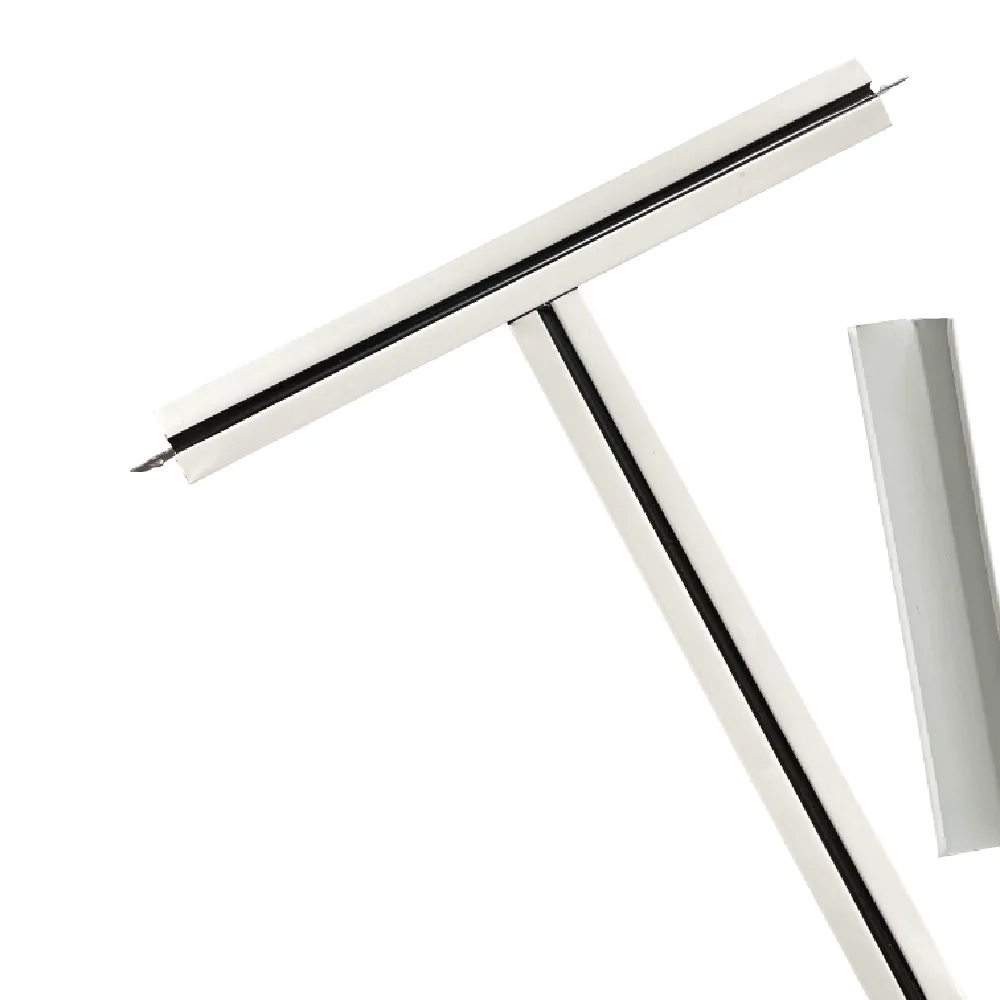 Industry trends, quickly: designers are moving toward slimmer sightlines (T15), tighter tolerances, and faster “click-in” connections; contractors want seismic options; owners want greener metal and verified load classes. In fact, many customers say the newest roll-formed profiles feel stiffer without adding weight—small improvements that save installation time.
Let’s talk specs. This system comes in several profiles and lengths to match board edges—flat, through, even three-dimensional tile edges. The common sets many buyers ask for are 32x24x3600x0.3 mm, 26x24x1200x0.3 mm, 26x24x600x0.3 mm, and 22x22x3000x0.3 mm. Below is a compact snapshot.
Industry trends, quickly: designers are moving toward slimmer sightlines (T15), tighter tolerances, and faster “click-in” connections; contractors want seismic options; owners want greener metal and verified load classes. In fact, many customers say the newest roll-formed profiles feel stiffer without adding weight—small improvements that save installation time.
Let’s talk specs. This system comes in several profiles and lengths to match board edges—flat, through, even three-dimensional tile edges. The common sets many buyers ask for are 32x24x3600x0.3 mm, 26x24x1200x0.3 mm, 26x24x600x0.3 mm, and 22x22x3000x0.3 mm. Below is a compact snapshot.
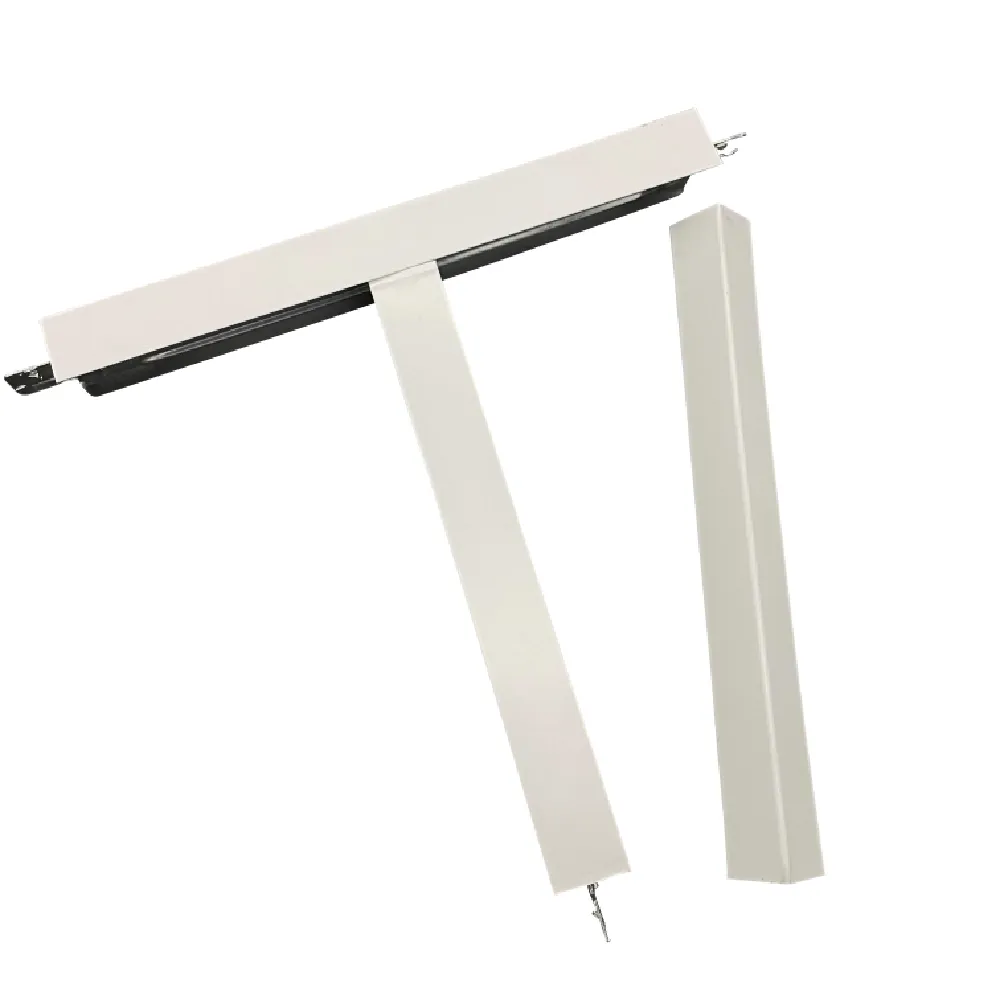 Where it’s used:
- Offices, schools, healthcare, retail—paired with mineral fiber, PVC gypsum, or metal tiles
- Seismic and high-traffic corridors (with bracing per local code)
- Data rooms needing frequent access above the ceiling
Why this Ceiling T Grid works: clean sightline, reliable snap, and compatibility with flat, through, and 3D board edges. Installers, anecdotally, like the “positive click”—less rework.
Vendor landscape—quick comparison from recent bids I’ve seen:
Where it’s used:
- Offices, schools, healthcare, retail—paired with mineral fiber, PVC gypsum, or metal tiles
- Seismic and high-traffic corridors (with bracing per local code)
- Data rooms needing frequent access above the ceiling
Why this Ceiling T Grid works: clean sightline, reliable snap, and compatibility with flat, through, and 3D board edges. Installers, anecdotally, like the “positive click”—less rework.
Vendor landscape—quick comparison from recent bids I’ve seen:
 Two quick case studies:
- Retail refresh, Jakarta: 1,800 m² of Ceiling T Grid with 600×600 mineral fiber tiles. Night-shift installs, fewer connector misfires than previous brand (installer feedback). Handover in 12 nights.
- Clinic retrofit, Kraków: moisture-prone corridors. Specified polyester-capped Ceiling T Grid and PVC gypsum tiles; maintenance team reports easier tile swaps and no rust spotting after 10 months.
What buyers say: “snaps clean,” “packs arrive square,” and “paint line is consistent.” I guess that’s what you want—predictability.
Compliance checklist to mention in bids:
- EN 13964 (suspended ceilings) and DoP available
- ASTM C635/C636 for load and installation
- ISO 9001 factory QA; zinc per ISO 1461 family or equivalent coil-coating specs
- Environmental data on request (recycled content; low-VOC coatings)
Final thought: as long as you match the grid to your tile edge profile—and confirm load class and bracing—this Ceiling T Grid does the quiet, necessary work above your head. Not glamorous, but very much essential.
References:
1) ASTM C635/C635M – Standard Specification for Metal Suspension Systems for Acoustical Tile and Lay-In Panels
2) ASTM C636/C636M – Standard Practice for Installation of Metal Ceiling Suspension Systems
3) EN 13964 – Suspended ceilings. Requirements and test methods
4) ISO 9001 – Quality management systems
5) ISO 1461 – Hot dip galvanized coatings (general principles; coil equivalents used in practice)
Two quick case studies:
- Retail refresh, Jakarta: 1,800 m² of Ceiling T Grid with 600×600 mineral fiber tiles. Night-shift installs, fewer connector misfires than previous brand (installer feedback). Handover in 12 nights.
- Clinic retrofit, Kraków: moisture-prone corridors. Specified polyester-capped Ceiling T Grid and PVC gypsum tiles; maintenance team reports easier tile swaps and no rust spotting after 10 months.
What buyers say: “snaps clean,” “packs arrive square,” and “paint line is consistent.” I guess that’s what you want—predictability.
Compliance checklist to mention in bids:
- EN 13964 (suspended ceilings) and DoP available
- ASTM C635/C636 for load and installation
- ISO 9001 factory QA; zinc per ISO 1461 family or equivalent coil-coating specs
- Environmental data on request (recycled content; low-VOC coatings)
Final thought: as long as you match the grid to your tile edge profile—and confirm load class and bracing—this Ceiling T Grid does the quiet, necessary work above your head. Not glamorous, but very much essential.
References:
1) ASTM C635/C635M – Standard Specification for Metal Suspension Systems for Acoustical Tile and Lay-In Panels
2) ASTM C636/C636M – Standard Practice for Installation of Metal Ceiling Suspension Systems
3) EN 13964 – Suspended ceilings. Requirements and test methods
4) ISO 9001 – Quality management systems
5) ISO 1461 – Hot dip galvanized coatings (general principles; coil equivalents used in practice)