
Dec . 08, 2025 03:50 Back to list
Ceiling Tile Grid System: Durable & Easy Installation Solutions
The Practical Guide to ceiling tile grid system
Having spent more than a decade in the industrial equipment sector, I’ve come to appreciate that the ceiling tile grid system is one of those unsung heroes in commercial and institutional spaces. You glance up and hardly notice it, but it quietly shoulders an entire ceiling’s worth of tiles, lighting, and HVAC vents. Oddly enough, the simplicity of these grids disguises the engineering and versatility behind them.
Back in the day, I worked alongside a project manager who once noted that a poorly chosen grid system could disrupt an entire renovation timeline. It’s funny how seemingly small framework elements can have an outsized impact — and it’s exactly why knowing your ceiling tile grid system matters so much.
What Makes a Ceiling Tile Grid System Tick?
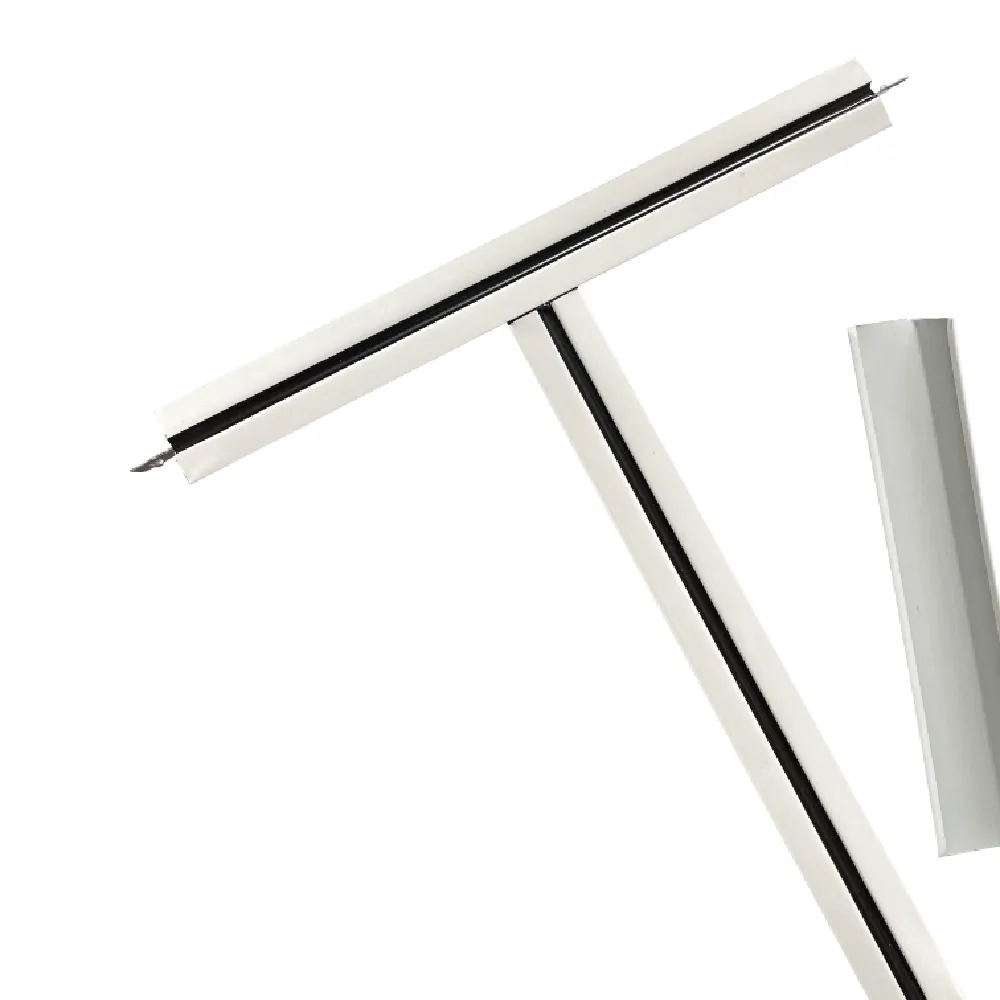
At its core, this system consists of a network of runners and cross tees — typically made from galvanized steel or aluminum — that form a grid pattern to hold ceiling tiles in place. The grid’s strength and precision are essential. You want those tiles to sit perfectly flush, evenly spaced, and able to bear their own and related weight without sagging or warping.
Nowadays, many manufacturers are focused on corrosion-resistant coatings, lightweight but rigid alloys, and snap-lock connection designs that ease installation. Frankly, a solid grid system is a small miracle of practical engineering — balancing strength, ease of assembly, and durability, all while keeping ceilings looking pristine for years.
Key Features of a Ceiling Tile Grid System
| Feature | Typical Specification | Benefit |
|---|---|---|
| Material | Galvanized Steel or Aluminum | Corrosion resistance and long-term durability |
| Connection Type | Click-in or Snap-lock | Ease and speed of installation |
| Grid Size | 2x2 ft, 2x4 ft, Custom | Adaptability to tile types and ceiling layouts |
| Finish | Powder coated or Painted White | Aesthetic consistency and light reflectance |
| Load Capacity | Up to ~150 lbs per tile segment | Supports lighting fixtures and HVAC diffusers |
Comparing Popular Vendors: Choosing What’s Best for Your Project
Over the years, I’ve seen a few vendors rise through the ranks, each with different strengths. Below is a quick rundown comparing what I’ve found practical in real-world scenarios.
| Vendor | Material Quality | Installation Ease | Customization Options | Price Range |
|---|---|---|---|---|
| Xingyuan Ceilings | High-quality galvanized steel with powder coating | Snap-lock system, very installer-friendly | Wide range of custom sizes and finishes | Mid-range competitive pricing |
| Alpha Ceiling Systems | Aluminum with corrosion resistance | Traditional screw-in installation | Standard sizes only | Slightly higher price |
| Metro Grid Co. | Steel with basic paint finish | Snap-lock, but less durable clips | Limited customization | Budget-friendly |
Why Does This Matter? Real-World Takeaways
You might wonder, "Isn't any grid system just fine?" In my experience, the answer is no. The choice affects speed of installation, long-term maintenance, and even the acoustic performance of rooms. I recall a hospital renovation where switching to a snap-lock design from a traditional grid saved weeks of labor and minimized disruptions. The engineers noticed improved ceiling uniformity as well, which — oddly enough — reduced cleaning frequency.
So if you’re specifying or sourcing ceiling tile grids for your next industrial or commercial build, I suggest giving ceiling tile grid system choices careful thought. Look beyond price and consider installation simplicity, material quality, and customization. It’s a small part with a big ripple effect.
And if you ask me, working with vendors who truly understand the practical demands — like Xingyuan Ceilings — tends to make a project run smoother. As always, proper testing and adherence to standards (ASTM C635 for suspension systems, for instance) are non-negotiable. Trust me, in this game, cutting corners somewhere often means paying for it later.
In real terms, choosing right upfront saves headaches and keeps ceilings looking good (and functional) for ages. Sometimes, experience speaks louder than specs on paper.
1. ASTM Standard C635 – Metal Suspension Systems
2. Manufacturer Product Data Sheets (Xingyuan Ceilings)
3. Field Reports from Industrial Renovation Projects (2015-2023)
-
Benefits and Guide of Mineral Fiber Ceiling Board for InteriorsNewsApr.16,2026
-
Modern Mineral Fiber Ceiling Solutions for Acoustic PerformanceNewsApr.09,2026
-
Mineral Fibre Board Ceiling vs Gypsum Board A Comprehensive Comparison GuideNewsApr.07,2026
-
Comprehensive Guide to Mineral Fiber Ceiling Specification and PerformanceNewsApr.04,2026
-
What Are Mineral Fiber Ceiling Tiles Made Of And Their ApplicationsNewsMar.31,2026
-
Exploring the Benefits of Suspended Mineral Fibre Ceiling Systems for Modern BuildingsNewsMar.28,2026