
Oct . 15, 2025 17:37 Back to list
Ceiling trap doors secure areas
In the realm of construction and home improvement, ceiling trap doors, sheetrock ceiling access panels, and attic access door ceilings serve as essential components that bridge the gap between functionality and accessibility. These elements provide crucial entry points to hidden spaces above ceilings, whether it's for accessing electrical wiring, plumbing systems, or attic storage. Each type has its own unique features, applications, and benefits, which we will explore in detail in this article. Understanding these ceiling access solutions can help homeowners, contractors, and designers make informed decisions when it comes to building or renovating structures.
The Functionality and Significance of ceiling trap doors
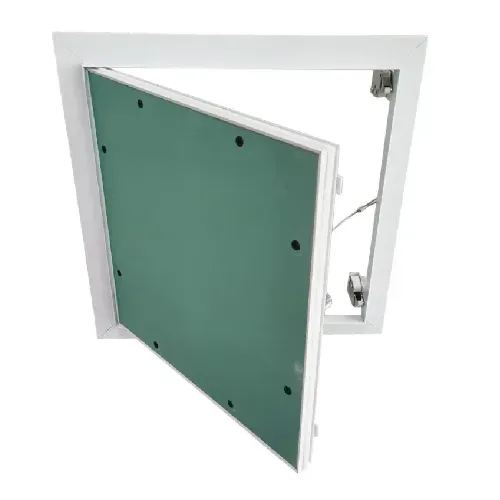
Ceiling trap doors are a classic and versatile form of ceiling access. Historically, they have been used in a wide range of buildings, from old - fashioned homes to commercial structures. These doors are designed to be opened and closed, providing a secure and convenient way to access the area above the ceiling.
One of the key advantages of ceiling trap doors is their simplicity. They typically consist of a hinged panel that can be easily lifted or lowered. This simplicity makes them easy to install and use. For example, in a multi - story building, ceiling trap doors can be used to access the spaces between floors, allowing maintenance workers to check on pipes, ducts, or electrical conduits without having to tear down large sections of the ceiling.
In residential settings, ceiling trap doors are frequently used to access attics. They can be installed in hallways, closets, or even bedrooms, providing homeowners with a means to store seasonal items, insulation materials, or other belongings in the attic space. Additionally, in case of emergencies, such as when accessing a leaky pipe or a malfunctioning electrical fixture above the ceiling, ceiling trap doors offer a quick and easy solution.
Sheetrock ceiling access panels: Seamless Integration with Interior Design
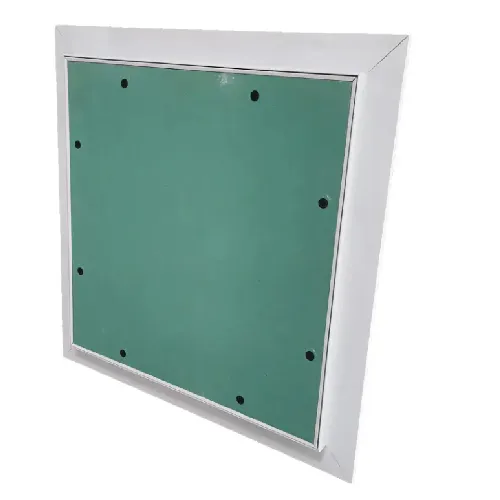
Sheetrock ceiling access panels are designed with a focus on aesthetics and seamless integration into the existing ceiling structure. Sheetrock, also known as drywall, is a common material used in modern interior construction, and these access panels are crafted to blend in perfectly with sheetrock ceilings.
The main features of sheetrock ceiling access panels include:
- Flush - Mount Design: They are installed in such a way that the surface of the panel is level with the surrounding sheetrock, creating a smooth and continuous ceiling appearance. This makes them almost invisible once painted or finished to match the rest of the ceiling.
- Easy Installation: Similar to installing a regular sheetrock patch, sheetrock ceiling access panels can be cut to fit the required opening size. They are then secured in place using drywall screws and joint compound, which is used to fill the gaps and create a seamless look.
- Versatility: These panels can be used in a variety of settings, from residential living rooms and bedrooms to commercial offices and retail spaces. Their ability to blend in with the interior design makes them a popular choice when maintaining the visual appeal of the ceiling is a priority.
For example, in a high - end office building, where a clean and uncluttered ceiling look is desired, sheetrock ceiling access panels can be used to access the HVAC system or electrical wiring without disrupting the overall aesthetic. In a home, they can be installed in a living room ceiling to provide access to the attic or plumbing lines, while still maintaining the room's decorative style.
Attic access door ceiling: Gateway to the Upper Storage Space
Attic access door ceilings are specifically designed to provide convenient and secure access to the attic area of a building. The attic is often used for storage, insulation, and housing various building systems, and having a proper access door is essential for making the most of this space.
Some important aspects of attic access door ceilings are:
- Size and Capacity: These doors are usually larger than standard ceiling trap doorsor sheetrock ceiling access panels to allow for the easy movement of larger items into and out of the attic. They can range from 22x30 inches to 30x48 inches or even larger, depending on the building's needs.
- Insulation and Weatherproofing: Since attics can be subject to temperature fluctuations and moisture, attic access door ceilingsoften come with insulation features. This helps to maintain the energy efficiency of the building by preventing heat loss in the winter and heat gain in the summer. Weatherstripping is also commonly used around the edges of the door to keep out drafts and moisture.
- Safety Features: Many attic access door ceilingsare equipped with safety features such as sturdy handles, secure locking mechanisms, and even built - in ladders for easy access. These features ensure that homeowners can safely enter and exit the attic without the risk of accidents.
In a typical suburban home, an attic access door ceiling installed in a hallway or a closet can provide homeowners with a large storage area for items like holiday decorations, old furniture, and extra clothing. The insulation and weatherproofing features of the door also contribute to reducing energy costs by maintaining a more stable indoor temperature.
Comparing ceiling trap doors, sheetrock ceiling access panels, and attic access door ceilings
|
Feature |
ceiling trap doors |
sheetrock ceiling access panels |
attic access door ceilings |
|
Primary Material |
Wood, Aluminum |
Sheetrock (Drywall) |
Wood, Metal |
|
Aesthetic Appeal |
Varies depending on finish; may be more visible if not properly finished |
Blends seamlessly with sheetrock ceilings |
Can be finished to match the ceiling but may be more prominent due to size |
|
Main Application |
General ceiling access in various settings, including accessing spaces between floors |
Areas where maintaining a smooth ceiling appearance is crucial |
Specifically for accessing attic spaces |
|
Size Range |
Small to medium - sized; can be custom - built |
Medium - sized; custom - cut to fit |
Larger sizes to accommodate item movement |
|
Insulation and Weatherproofing |
Limited; may require additional insulation |
Minimal; not designed for insulation |
High - priority features for energy efficiency |
FAQS about ceiling trap doors
How can I make my ceiling trap door more secure?
To make your ceiling trap door more secure, you can install a reliable locking mechanism. There are various types available, such as key - operated locks or combination locks. Additionally, reinforcing the hinges with stronger hardware can prevent the door from being forced open. You can also add a security bar or a chain on the inside of the door for an extra layer of protection, especially if the trap door provides access to an area that could be vulnerable to unauthorized entry.
Can sheetrock ceiling access panels support heavy loads?
Sheetrock ceiling access panels are primarily designed for providing access to hidden spaces and are not intended to support heavy loads. The sheetrock material is relatively lightweight and brittle. While they can withstand normal handling during access, placing heavy objects on top of them can cause damage, such as cracking or sagging. If you need to store heavy items above the ceiling, it's best to use a properly - reinforced storage system in the attic or other appropriate areas, rather than relying on the sheetrock ceiling access panel for support.
What is the best way to insulate an attic access door ceiling?
The best way to insulate an attic access door ceiling is to use rigid foam insulation boards. Cut the foam boards to fit the dimensions of the door panel and attach them using an adhesive or mechanical fasteners. Make sure to seal any gaps around the edges of the insulation with weatherstripping or caulk. Another option is to use fiberglass insulation batts, which can be placed between the framing of the door. Additionally, adding a layer of reflective insulation on the attic - side of the door can further enhance energy efficiency by reflecting heat.
Are there any building codes regarding ceiling trap doors?
Yes, there are building codes regarding ceiling trap doors. These codes typically specify requirements such as minimum size, structural integrity, and safety features. For example, the minimum size of a ceiling trap door for access purposes may be regulated to ensure that it can accommodate a person or equipment. The door should also be able to support a certain amount of weight and have proper locking or safety mechanisms to prevent accidental openings. It's important to check with your local building department to ensure that your ceiling trap door installation complies with all relevant codes and regulations.
How do I repair a damaged sheetrock ceiling access panel?
To repair a damaged sheetrock ceiling access panel, first, remove any loose or broken pieces of sheetrock. If the damage is minor, such as a small crack, you can fill it with joint compound. Apply the joint compound using a putty knife, let it dry, and then sand it smooth. For larger areas of damage, you may need to cut out the damaged section and replace it with a new piece of sheetrock. Secure the new piece in place with drywall screws, apply joint compound to the seams, and then finish by sanding and painting to match the surrounding ceiling.
If you're looking for top - quality ceiling trap doors, sheetrock ceiling access panels, or attic access door ceilings, our company is your one - stop solution. We offer a wide range of products that are not only durable and functional but also designed to meet the highest standards of quality and aesthetics. Our team of experts is always ready to assist you in choosing the right product for your specific needs, whether it's for a residential or commercial project. With our easy - to - install products and excellent after - sales service, you can't go wrong. Visit our website today to browse our product catalog, read customer testimonials, and get in touch with us for a quote. Don't miss out on the opportunity to enhance the functionality and accessibility of your building with our premium ceiling access solutions!
-
Benefits and Guide of Mineral Fiber Ceiling Board for InteriorsNewsApr.16,2026
-
Modern Mineral Fiber Ceiling Solutions for Acoustic PerformanceNewsApr.09,2026
-
Mineral Fibre Board Ceiling vs Gypsum Board A Comprehensive Comparison GuideNewsApr.07,2026
-
Comprehensive Guide to Mineral Fiber Ceiling Specification and PerformanceNewsApr.04,2026
-
What Are Mineral Fiber Ceiling Tiles Made Of And Their ApplicationsNewsMar.31,2026
-
Exploring the Benefits of Suspended Mineral Fibre Ceiling Systems for Modern BuildingsNewsMar.28,2026