
Nov . 30, 2025 00:20 Back to list
Comprehensive Guide to 600 x 600 Ceiling Hatch: Specifications, Uses & Trends
Understanding the 600 x 600 Ceiling Hatch: Small Size, Big Impact
On the surface, a 600 x 600 ceiling hatch might sound like just another building component. But in reality, this humble panel plays a surprisingly significant role in architectural design, maintenance operations, and even emergency access across the globe. From commercial buildings to industrial zones and residential projects, knowing what goes into these hatches—and why they matter—can save time, cut costs, and improve safety.
Whether you're in construction, facility management, or just a curious bystander, it's worth appreciating that a well-made hatch means smoother inspections, easier wiring or piping access, and ultimately fewer headaches down the line.
The Global Relevance of the 600 x 600 Ceiling Hatch in Modern Construction
According to recent data from the International Organization for Standardization (ISO) and World Bank, global construction projects in urban areas are rising at roughly 3.5% annually. This boom demands standardized components that are easy to install and maintain. The 600 x 600 ceiling hatch fits perfectly into this puzzle, providing a dependable, modular solution for ceiling access.
But here’s the rub: not all buildings have accessible ceilings, and when access exists, often the panels or hatches are awkwardly sized or flimsy. In high-density urban centers or remote industrial sites, this causes delays, costly damages, or safety risks.
So, the 600 x 600 ceiling hatch size, matching the ubiquitous 600mm x 600mm (about 24”x24”) grid used in suspended ceilings worldwide, facilitates interoperability, easier installation, and efficient maintenance cycles. It’s standardized enough to work globally but practical enough to meet varied needs.
What Exactly Is a 600 x 600 Ceiling Hatch?
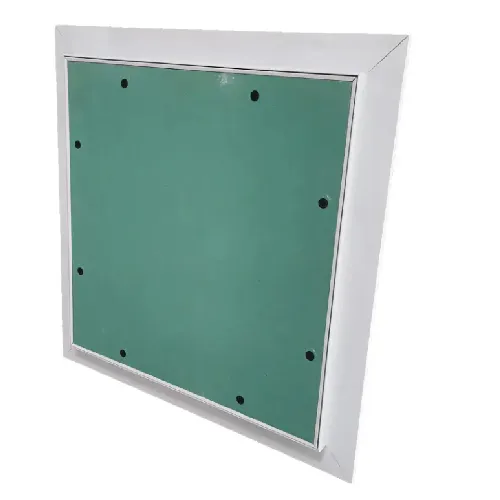
Simply put, a 600 x 600 ceiling hatch is an access panel designed to fit within a 600mm by 600mm suspended ceiling grid. It’s like a removable door on your ceiling—allowing workers or technicians to enter voids above suspended ceilings, reach piping, HVAC ducts, electrical wiring, or even sprinkler systems.
They’re widespread because they complement the most common ceiling tile size internationally. Often manufactured from lightweight metals, fiberglass, or even timber with metal frames, these hatches can be flush with ceiling tiles or slightly recessed for aesthetics and ease of use.
Interestingly, these hatches connect the dots between safety (providing fire-rated options), functionality (detachable panels for freedom of access), and design (matching the ceiling’s look). This trifecta makes them a quiet hero in modern building design—and even essential in humanitarian infrastructure where fast, reliable access can aid rapid repairs or upgrades.
Key Factors That Define a Great 600 x 600 Ceiling Hatch
1. Durability
Many engineers swear by steel or aluminum hatches for their longevity and rigidity. A hatch must resist warping and corrosion, especially in humid or industrial environments. Fiberglass alternatives offer corrosion resistance but sometimes trade-off strength.
2. Fire Resistance & Safety
For commercial or public buildings, a fire-rated ceiling hatch is a must. The hatch should either meet local fire codes or have certifications like UL or EN standards, providing critical protection during emergencies.
3. Ease of Installation
Because ceiling hatches are often installed during or after ceiling frameworks, a modular design that fits standard grids (like 600mm x 600mm) speeds up the process and reduces labor costs.
4. Locking & Security Features
In sensitive facilities, hatches might need locks or tamperproof features to prevent unauthorized access, balancing ease of entry with security concerns.
5. Aesthetic Compatibility
Some projects require hatches that blend seamlessly with ceiling tiles for a uniform look, while others may prioritize functional prominence for easy locating.
Where Are 600 x 600 Ceiling Hatches Used Around the World?
Let’s travel, shall we? Imagine an ultra-modern hospital in Tokyo, where ceiling hatches allow swift access to medical gas lines without disrupting sterile environments. Or a manufacturing plant in Germany, where quick ceiling access reduces downtime during machine maintenance.
In post-disaster relief operations, such as after an earthquake in Nepal, temporary medical centers utilize modular structures with these 600 x 600 access points for rapid setup, ensuring critical infrastructure is reachable within tight quarters.
Even commercial malls in Dubai or New York count on such hatches for HVAC inspections and maintenance, easily swapping tiles for access without shutting down entire zones.
Some organizations delve deeper: NGOs coordinating humanitarian logistics rely on modular ceiling infrastructures with standardized hatch sizes—allowing them to swap components internationally with minimal fuss.
Industrial zones, airports, schools, office complexes — each sees a unique use case depending on regulatory demands and operational complexity.
What Advantages Make the 600 x 600 Ceiling Hatch a Smart Choice?
- Cost-Effectiveness: Standard sizing reduces manufacturing costs and enables bulk purchasing.
- Sustainability: Longer-lasting materials and easy replacement contribute to lower environmental impact.
- Improved Safety: Fire ratings and secure locking enhance building safety protocols.
- Flexibility: Modular design means easy retrofit and upgrades without big disruptions.
- User Confidence: Maintenance workers value hassle-free access that doesn’t jeopardize structure integrity.
There’s also a psychological angle here: knowing there’s a reliable access point overhead lends peace of mind, especially in complex environments like hospitals or laboratories.
Looking Forward: Emerging Trends in Ceiling Hatch Innovation
Green materials are trending everywhere, and ceiling hatches are no exception. We’re seeing more products made from recycled aluminum or low-VOC composites. Some suppliers are integrating smart sensors into hatches that alert maintenance teams when a panel is opened or if humidity exceeds safe levels.
Digital transformation also influences hatch manufacturing — 3D printing allows custom hatches for irregular ceiling grids, speeding up prototyping and reducing waste.
Finally, as automation rises, ceiling hatches compatible with robotic maintenance tools could be next. Imagine drones scouting wiring spaces through hatches – sci-fi today, maybe tomorrow.
Facing the Challenges: Common Limitations and Smart Solutions
Despite their benefits, certain hurdles exist. For example, improper installation can cause air leakage or weaken fire barriers. Some cheaper models use fragile materials that degrade quickly.
Experts recommend choosing certified products with clear technical datasheets and following installation protocols closely. Also, periodic inspections ensure the hatch remains functional and compliant. If security is a concern, upgrading to locks or alarms helps without complicating access.
Product Specification Table: Typical 600 x 600 Ceiling Hatch
| Feature | Specification | Notes |
|---|---|---|
| Dimensions | 600 x 600 mm | Standard ceiling grid size |
| Material | Aluminum Alloy / Steel / Fiberglass | Corrosion resistant options available |
| Fire Rating | Up to 2 hours (UL or EN cert.) | Optional on demand |
| Finish | Powder coated / Painted / Powder-coated white | Custom colors available |
| Locking Mechanism | Optional cam lock or key lock | Security upgrades possible |
Vendor Comparison Table: Popular 600 x 600 Ceiling Hatch Suppliers
| Vendor | Material Options | Fire Rating | Customization | Typical Lead Time | Price Range |
|---|---|---|---|---|---|
| Xingyuan Ceilings | Aluminum, Steel | Up to 2 hours UL certified | High customization | 2-3 weeks | $$ |
| Ceiling Solutions Inc. | Fiberglass, Steel | 1 hour EN certified | Moderate | 3-4 weeks | $ |
| Access Panel Pros | Steel, Timber Frames | No fire rating | Low | 1-2 weeks | $ |
Frequently Asked Questions About 600 x 600 Ceiling Hatches
- Q1: What makes the 600 x 600 ceiling hatch size so popular?
- The 600 x 600 mm dimension aligns with the most common suspended ceiling tile size worldwide, ensuring easy integration, replacement, and standardized installation practices. This size balances access area with structural integrity, making it versatile across building types.
- Q2: Are fire-rated ceiling hatches more expensive?
- Generally, yes. Fire-rated models require special materials and testing certifications, which raise costs slightly. However, their addition enhances safety and may be legally required for commercial or public buildings, making the investment worthwhile.
- Q3: Can I install a 600 x 600 ceiling hatch myself?
- While some builders or DIY enthusiasts with proper tools can install them, it’s best to let certified professionals handle installation to secure fire ratings, prevent air leaks, and ensure compliance with building codes.
- Q4: How do I maintain ceiling hatches for long-term use?
- Routine checks—at least annually—ensuring hinges work smoothly, locks function properly, and there’s no corrosion or damage keep hatches reliable. Cleaning around seams reduces dust buildup, which can affect seals or fire ratings.
Conclusion: Why the 600 x 600 Ceiling Hatch Will Stay Essential
From its global standardization to practical benefits across industries, the 600 x 600 ceiling hatch is more than just a square panel in your ceiling. It’s an enabler — quick access to utilities, a contributor to building safety, and a keystone in reducing downtime.
If you’re planning construction or retrofitting projects, consider how this simple component could save you time and money. And if you want to explore quality options, take a look at 600 x 600 ceiling hatch offerings with proven standards in materials and customization.
In the end, investing in the right ceiling hatch means you’re prepared for the unexpected — and isn't that just smart planning?
-
Benefits and Guide of Mineral Fiber Ceiling Board for InteriorsNewsApr.16,2026
-
Modern Mineral Fiber Ceiling Solutions for Acoustic PerformanceNewsApr.09,2026
-
Mineral Fibre Board Ceiling vs Gypsum Board A Comprehensive Comparison GuideNewsApr.07,2026
-
Comprehensive Guide to Mineral Fiber Ceiling Specification and PerformanceNewsApr.04,2026
-
What Are Mineral Fiber Ceiling Tiles Made Of And Their ApplicationsNewsMar.31,2026
-
Exploring the Benefits of Suspended Mineral Fibre Ceiling Systems for Modern BuildingsNewsMar.28,2026