
Dec . 01, 2025 21:15 Back to list
Comprehensive Guide to Access Panel Sizes Ceiling – Standards, Benefits & Vendors
Unlocking the Importance of Access Panel Sizes Ceiling: What You Need to Know
At first glance, access panel sizes ceiling might sound like a small, technical detail tucked away in building plans. But if you’re involved in construction, facility management, or even humanitarian projects, understanding these sizes can actually unlock major benefits. Globally, they’re pivotal for maintenance access, safety, and sustainability in modern architecture. Simply put, knowing which access panel sizes suit your ceiling ensures hassle-free inspections and repairs, prevents damage, and offers peace of mind. In this piece, we’ll take a deep dive into the topic — why it matters on a global stage, what makes good ceiling access panels, where they’re used, and what future innovations could shake things up.
Looking at the Global Landscape: Why Access Panel Sizes Ceiling Matter More Than You Think
Across the world, buildings vary enormously — from skyscrapers in New York and Dubai, to modular housing in disaster zones, to industrial plants in Southeast Asia. According to the International Organization for Standardization (ISO), the correct sizing of access panels in ceilings is fundamental in ensuring compliance with safety and maintenance standards.
Data from the United Nations Office for Disaster Risk Reduction points toward increasing investments in resilient infrastructure across emerging economies. With this rise comes the challenge of selecting access panels that fit diverse ceiling types while accommodating equipment inspections and public safety.
Here’s the catch: ill-fitting or inadequately sized access panels delay maintenance, increase repair costs, and can even risk structural damage. So for builders, architects, and facility managers alike, mastering access panel sizes ceiling is a pressing practical challenge.
Mini takeaway: Globally, precise access panel sizing ties directly to infrastructure durability, safety, and maintenance ease, making it a surprisingly meaningful part of building design.
What Exactly Are Access Panel Sizes Ceiling?
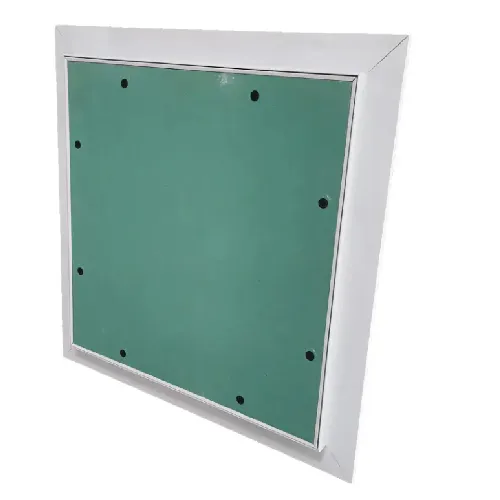
Simply put, an access panel size ceiling refers to the physical dimensions of an access point installed in a ceiling to provide entry to pipes, wiring, or other utilities hidden above. This panel serves as a door but built into the ceiling itself — think of it as a discreet portal for technicians and inspectors.
These sizes typically range from small (around 12" x 12") to large (up to 48" x 48") depending on the ceiling’s height, type of ceiling system, and the equipment behind it. Picking the right size ensures easy access (without excessive cutting or damage), ergonomic handling, and code compliance.
This isn’t just about convenience. In modern facilities, especially in healthcare or industrial zones, proper access panel sizing impacts routine inspections for safety and sometimes even emergency interventions.
access panel sizes ceiling thus are the unsung heroes behind functional and safe built environments.
Mini takeaway: Think of access panel sizes as the measured doorway to a building’s hidden world — vital for practical upkeep and safety.
Key Factors to Consider in Access Panel Sizes Ceiling
1. Compatibility with Ceiling Type
Whether working with drywall, metal grid ceilings, or suspended tiles, the panel size and mounting need to suit the ceiling system perfectly. This avoids cracking or sagging around the opening, which could lead to costly repairs or aesthetic issues.
2. Durability & Material
Depending on environmental factors (humidity, temperature changes), materials like galvanized steel, aluminum, or fire-rated composites come into play. Durable materials affect size choices because the panel must support itself securely without warping.
3. Accessibility & Ergonomics
The panel size has to allow for comfortable access — technicians carrying tools, inspectors maneuvering — without requiring excessive crawling or removing adjacent ceiling components.
4. Compliance & Safety Standards
Codes often regulate minimum dimensions, especially in public buildings. Fire-rated access panels also demand specific sizing to ensure safety equipment can maneuver through during emergencies.
5. Cost and Installation
While larger panels may provide easier access, they increase material costs and installation complexity. It's a balance between practicality and budget, a conversation worth having early in the design phase.
6. Customization and Finish
Sometimes, ceiling aesthetics require custom-sized or flush-mounted panels that blend seamlessly with surroundings — especially in high-end commercial or hospitality environments.
Mini takeaway: The right access panel size boils down to ceiling compatibility, durability, ergonomics, safety, and budget — a nuanced but crucial formula.
Practical Examples: How Access Panel Sizes are Used Worldwide
In fast-growing urban centers like Tokyo or Singapore, sophisticated HVAC and plumbing systems require meticulously sized access panels to maintain uninterrupted service. Here, small 12" x 12" panels might suffice for wiring, but larger ones are needed for mechanical repairs.
In contrast, humanitarian organizations operating in emergency shelters — say after a hurricane in the Caribbean — rely on modular ceiling access panels ranging 18" x 18" to 24" x 24" for rapid repair and power system checks, as the structures are temporary but safety-critical.
Even in the oil & gas industry’s remote offshore platforms, access panels not only come with precise sizing but also special sealing to resist moisture and corrosion.
Those curious might find more insights looking into access panel sizes ceiling practices in diverse settings.
Mini takeaway: From skyscrapers to shelters to offshore rigs, correctly sized ceiling access panels ensure operational fluidity and safety in diverse, sometimes extreme, contexts.
Product Specification Table: Common Access Panel Sizes & Features
| Panel Size (inches) | Material | Mounting Type | Fire Rating | Typical Use |
|---|---|---|---|---|
| 12 x 12 | Aluminum | Concealed | No | Electrical junction boxes |
| 18 x 18 | Steel | Surface Mounted | 30 min | Plumbing access |
| 24 x 24 | Galvanized Steel | Concealed | 60 min | HVAC access |
| 36 x 36 | Steel with Powder Coating | Surface Mounted | 90 min | Mechanical equipment |
Advantages and Long-Term Value of Proper Access Panel Sizes
Investing time to size your access panels accurately isn’t just about the next inspection — it pays dividends throughout a building’s life. Consider the cost savings: easier access reduces labor time and avoids damaging ceilings during repairs. And honestly, nothing beats that quiet confidence when you know your maintenance team can do their job without a headache.
From a sustainability standpoint, panels that fit well minimize wasted materials and lower the chances of ceiling replacements, reducing the carbon footprint. Socially, in public or healthcare settings, they support safe, quick responses — promoting dignity and security for occupants.
Plus, there’s a subtle innovation factor. Designers increasingly want elegant access solutions, blending function with style, supporting trust in modern infrastructure.
Comparing Top Vendors of Access Panel Sizes Ceiling
| Vendor | Size Range (inches) | Material Options | Fire Rating Available | Customization Level | Price Range |
|---|---|---|---|---|---|
| Xing Yuan Ceilings | 12 x 12 to 48 x 48 | Aluminum, Steel, Galvanized Steel | Yes (up to 90 min) | High | $$ - $$$ |
| Global Access Panels | 12 x 12 to 36 x 36 | Steel, Plastic | Yes (up to 60 min) | Medium | $ - $$ |
| Prime Ceiling Solutions | 18 x 18 to 48 x 48 | Galvanized Steel, Aluminum | No | Low | $$ |
Future Trends & Innovations in Access Panel Sizes Ceiling
The access panel world isn’t exactly Silicon Valley, but innovation is happening quietly. Lightweight, corrosion-resistant composites are becoming mainstream — imagine panels that are easier to handle yet tougher in extreme environments. Smart access panels with embedded sensors to detect humidity or unauthorized opening are also gaining traction.
Green building certifications increasingly demand sustainable materials and modular designs — pushing manufacturers toward eco-friendly sizing solutions with minimal wastage.
Lastly, automation could help streamline installation or even remote access systems, but given the varied ceiling types globally, a one-size-fits-all digital revolution feels a bit far off... yet.
Common Challenges and How to Overcome Them
One of the trickiest hurdles? Custom ceiling profiles that don’t fit conventional panels, leading to costly fabrications or awkward repairs. The solution often lies in early-stage collaboration between architects, engineers, and manufacturers.
Also, fire rating requirements can stall projects when panels don’t meet standards, but this is improving with advanced materials.
Lastly, procurement delays or lack of standardized sizing creates headaches, especially in international projects. Partnering with reliable vendors like Xing Yuan Ceilings helps smooth this process.
FAQ: Frequently Asked Questions About Access Panel Sizes Ceiling
- Q: What are the most common sizes for ceiling access panels?
- A: Common sizes range from 12”x12” for small electrical or plumbing access to 24”x24” or larger for HVAC or mechanical equipment. Size depends on the space above the ceiling and required access ease.
- Q: How do I choose the right material for an access panel?
- A: Choose based on ceiling environment. For humid or industrial sites, galvanized steel or powder-coated panels offer durability. Dry environments may use aluminum. Fire-rated locations require panels tested for fire resistance.
- Q: Can access panels be customized to fit unusual ceiling designs?
- A: Yes, most manufacturers offer custom sizing and finishes to match unique ceiling shapes, especially in commercial or luxury buildings. Early project planning helps ensure smooth customization.
- Q: Are fire-rated access panels more expensive?
- A: Typically, yes. Fire-rated panels require special materials and certifications, which add cost. However, considering the safety and code compliance benefits, the investment is often worthwhile.
- Q: Where can I find reliable suppliers for access panel sizes ceiling?
- A: Trusted regional vendors like Xing Yuan Ceilings specialize in a broad size range and customization. Online directories and industry trade shows can also connect buyers to reputable suppliers.
Wrapping Up: Why Getting Access Panel Sizes Right Pays Off
So, there we are — access panel sizes ceiling might be a niche topic, but it plays a central role in building maintenance, safety, and future-proofing infrastructure worldwide. Whether you’re dealing with luxury office towers or emergency shelters, the right panel size simplifies access and lowers long-term risks.
If you’re ready to explore options or need advice on selections, visit our website at https://www.xingyuanceilings.com. Your ceiling’s hidden world is easier to manage than you think.
References:
1. International Organization for Standardization (ISO), iso.org
2. United Nations Office for Disaster Risk Reduction (UNDRR), undrr.org
3. “Access Panel.” Wikipedia, en.wikipedia.org/wiki/Access_panel
-
Benefits and Guide of Mineral Fiber Ceiling Board for InteriorsNewsApr.16,2026
-
Modern Mineral Fiber Ceiling Solutions for Acoustic PerformanceNewsApr.09,2026
-
Mineral Fibre Board Ceiling vs Gypsum Board A Comprehensive Comparison GuideNewsApr.07,2026
-
Comprehensive Guide to Mineral Fiber Ceiling Specification and PerformanceNewsApr.04,2026
-
What Are Mineral Fiber Ceiling Tiles Made Of And Their ApplicationsNewsMar.31,2026
-
Exploring the Benefits of Suspended Mineral Fibre Ceiling Systems for Modern BuildingsNewsMar.28,2026