
Nov . 21, 2025 07:30 Back to list
Comprehensive Guide to Ceiling Access Panels: Design, Benefits, and Innovations
Unlocking Spaces: The Subtle Power of the Ceiling Access Panel
You might not give much thought to the humble ceiling access panel, tucked away above your head, but this unassuming piece of building hardware quietly keeps many modern spaces functional, safe, and adaptable. Globally, from sprawling commercial complexes to humanitarian emergency shelters, understanding ceiling access panels opens doors to smarter design and maintenance solutions. Let’s explore why this simple component really matters.
Why Ceiling Access Panels Matter in Today’s World
On a global scale, building maintenance and infrastructure management aren’t mere luxuries—they’re necessities dictated by rapid urbanization and complex utilities installation. According to the United Nations, over half of the world’s population now lives in urban areas, a figure expected to rise to 68% by 2050.[1] Ceiling access panels provide a crucial gateway to hidden mechanical, electrical, and plumbing systems, ensuring maintenance crews can work efficiently without disrupting entire buildings.
Yet, here’s the rub: without well-designed access solutions, maintenance becomes cumbersome, expensive, or even hazardous, especially in densely packed or sensitive environments. This makes the ceiling access panel not just a convenience but a strategic element in building design globally.
What Exactly Is a Ceiling Access Panel?
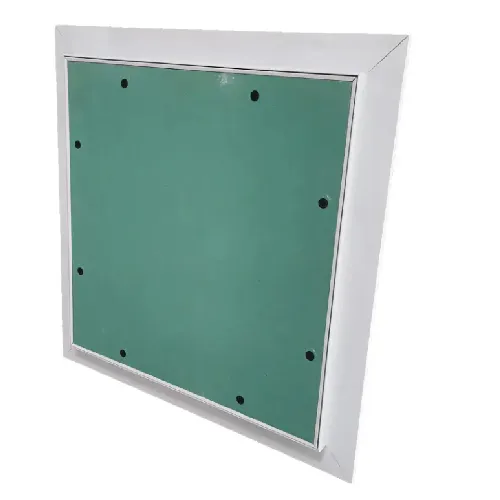
At its core, a ceiling access panel is an intentionally designed opening in the ceiling structure that allows authorized personnel to reach concealed spaces above—think ducts, wiring, plumbing joints, or sprinkler systems. Typically framed and fitted with a removable cover, these panels blend into the ceiling surface to maintain aesthetics while offering quick, safe entry.
In industries like construction, healthcare, and emergency housing, ceiling access panels serve a dual purpose. They facilitate ongoing inspections and repairs without tearing up walls or ceilings, which can be costly and disruptive. And oddly enough, they also embody the principles of flexible, sustainable design—by allowing infrastructures to adapt and evolve without wholesale rebuilding.
Core Components and Factors to Consider
Durability
In practice, these panels must endure environmental stresses—heat, moisture, dust—and mechanical wear. Materials like aluminum, galvanized steel, or even fire-rated gypsum boards are popular choices. For example, in hospitals or commercial kitchens, where hygiene and fire safety matter, you’d want a panel that’s both easy to clean and fire-resistant.
Accessibility and Security
They should be easy for maintenance staff to remove but secure enough to prevent unauthorized access. Some feature key locks or tamper-resistant fasteners. It’s a delicate balance: too easy, and risk exposure; too hard, and emergency fixes get delayed.
Size and Compatibility
Panels come in various shapes—square, rectangular, even round—to fit different ceiling grids and architectural styles. Their sizing and integration must match the ceiling type, whether suspended, drywall, or plaster.
Cost Efficiency
Budget matters, of course, but here’s the kicker: spending a bit more upfront on a high-quality ceiling access panel often pays off through reduced maintenance times and fewer renovations down the line.
Aesthetic Integration
Nobody wants ugly holes looming above. So many manufacturers offer texture-matching and paint-ready panels to blend seamlessly into ceiling designs, particularly important for retail, hospitality, or office spaces.
Quick Takeaway:
- Think of ceiling access panels as the unsung heroes of building upkeep.
- They’re designed with durability, security, fit, cost, and style in mind.
- The balance of these factors varies wildly depending on application.
How Ceiling Access Panels Are Put to Work Around the World
From skyscrapers in New York to remote clinics in Sub-Saharan Africa, these panels are everywhere—in ways you might not realize. Industrial plants rely on heavy-duty models resistant to chemicals and heat. Post-disaster relief housing may use lightweight, quickly installed panels that tech and humanitarian organizations prefer for rapid deployment.
For instance, in Dubai’s massive commercial centers, ceiling access panels enable complex HVAC and fire suppression system servicing without disturbing shoppers or workers. Meanwhile, in remote mining camps in Australia, rugged, corrosion-resistant panels keep electrical equipment safe from dust and moisture while allowing quick access in emergencies.
If you ever peek behind the drop ceiling grid, chances are you’ll spot some overhead panels designed for easy lift and inspection only - saving time, sweat, and sometimes even lives.
Advantages: Why These Panels Deliver Long-Term Value
- Cost Savings: Reduces wall or ceiling damage during inspections, lowering renovation expenses.
- Sustainability: Enables modular repairs, which cuts down on material waste.
- Safety: Offers safe, contained entry points to potentially hazardous areas.
- Preserves Aesthetics: Keeps interiors sleek while housing critical infrastructure.
- Trust & Innovation: Manufacturers innovate with fireproofing and antimicrobial surfaces, gaining trust from hospitals and labs.
Specifications Snapshot
| Specification | Typical Value / Option |
|---|---|
| Material | Steel, Aluminum, Gypsum Board |
| Size Range | 12”x12” to 24”x24” (Standard) |
| Load Rating | Up to 50 kg (depending on design) |
| Fire Rating | Up to 2 hours (optional) |
| Access Type | Hinged, Removable, Lockable |
Comparing Leading Ceiling Access Panel Vendors
| Vendor | Material Options | Fire Certification | Customization | Price Range |
|---|---|---|---|---|
| AluCeil Inc. | Aluminum, Steel | UL Class A (2hr) | Yes (size & finish) | $$$ |
| SafePanel Solutions | Gypsum Board, Steel | Fire Rated (1hr) | Limited | $$ |
| EcoAccess Panels | Recycled Aluminum, Composite | Pending (Green Building) | Extensive (colors, locking) | $$$ |
Looking Ahead: Trends and Innovations Shaping Ceiling Access Panels
Walking through the future, what excites me most is how sustainability meshes with technological advances. Increasingly, manufacturers are adopting recycled or bio-based materials for panels, reducing carbon footprints—a nod to global standards like ISO 14001 for environmental management.[2]
Beyond materials, the rise of smart buildings introduces access panels embedded with sensors. Imagine panels that alert facility managers if a concealed pipe leaks or if abnormal heat levels appear above the ceiling ceiling grids. This kind of digital transformation could make maintenance predictive rather than reactive, saving money and headaches.
Common Challenges and How They're Addressed
Of course, nothing’s perfect. Some struggles with ceiling access panels include:
- Installation Complexity: Fitting panels into older structures can be tricky.
- Security Concerns: Preventing unauthorized entry without frustrating maintenance staff.
- Aesthetic Mismatches: Panels sometimes stand out visually, disrupting interior design.
Experts recommend modular panel designs that retrofit easily and employ integrated locking mechanisms. Also, texture matching and customizable finishes go a long way in solving the “ugly panel” dilemma.
Frequently Asked Questions About Ceiling Access Panels
Q1: How often should ceiling access panels be inspected or maintained?
A: Generally, inspection frequency depends on building codes and the building's use. For commercial spaces, a biannual check is common to ensure panels open smoothly and seals remain intact, while hospitals might require quarterly inspections due to strict hygiene standards.
Q2: Can ceiling access panels support weight if someone needs to step on them?
A: Most panels are designed purely for access—not weight-bearing. However, some heavy-duty models offer load ratings of up to 50 kg, suitable for brief stepping. Always check manufacturer specs and avoid standing on panels unless explicitly rated for it.
Q3: Are there fire-rated ceiling access panels available?
A: Absolutely. Fire-rated panels exist with certification for 1 to 2 hours of fire resistance, crucial for maintaining fire compartment integrity in commercial buildings and hospitals.
Q4: How customizable are ceiling access panels in terms of size and finish?
A: Quite customizable. Many vendors offer panels in standard or bespoke sizes and with finishes that match ceiling textures or paint colors. This customization helps keep a consistent interior aesthetic.
Q5: Can ceiling access panels be used in outdoor or damp environments?
A: Yes, when manufactured with corrosion-resistant materials like aluminum or specially coated steel and sealed properly. Panels designed for wet areas also feature moisture-resistant gasketing.
In Conclusion
Ceiling access panels may not grab headlines, but their role in enabling safer, more efficient building maintenance is unquestionable. They’re the silent workhorses above our heads, quietly providing access, safeguarding systems, and adapting buildings to future needs.
Whether you’re an architect, facility manager, or humanitarian planner, appreciating these panels is a small step towards smarter, more sustainable infrastructure design. Curious to learn more or explore tailored options? Visit our website: ceiling access panel.
Final Thought:
Simply put, investing in the right ceiling access panel is like planning a safe exit before a maze—you won’t regret knowing where and how to get through when you most need it.
References
-
Benefits and Guide of Mineral Fiber Ceiling Board for InteriorsNewsApr.16,2026
-
Modern Mineral Fiber Ceiling Solutions for Acoustic PerformanceNewsApr.09,2026
-
Mineral Fibre Board Ceiling vs Gypsum Board A Comprehensive Comparison GuideNewsApr.07,2026
-
Comprehensive Guide to Mineral Fiber Ceiling Specification and PerformanceNewsApr.04,2026
-
What Are Mineral Fiber Ceiling Tiles Made Of And Their ApplicationsNewsMar.31,2026
-
Exploring the Benefits of Suspended Mineral Fibre Ceiling Systems for Modern BuildingsNewsMar.28,2026