
Dec . 07, 2025 14:30 Back to list
Comprehensive Guide to Ceiling Grid Suppliers: Trends, Specs & Global Impact
Ceiling Grid Suppliers: A Cornerstone of Modern Construction
Across the globe, the structural frameworks holding up our ceilings often go unnoticed—but they play a vital role in both commercial buildings and residential projects. Ceiling grid suppliers provide the underlying support system for suspended or drop ceilings, ensuring not only aesthetic appeal but also functionality, durability, and safety. Understanding how these suppliers operate, the core product attributes they offer, and the challenges they face is key for architects, contractors, and facility managers worldwide. Given construction’s strong correlation with economic growth and urbanization, the role of reliable ceiling grid suppliers extends beyond mere convenience; it touches resilience, sustainability, and effective space management.
Introduction: Why Ceiling Grid Suppliers Matter on a Global Scale
The global construction industry is set to grow by more than 70% by 2030, according to data from the United Nations (UN) (UN Habitat, 2018). As urban spaces densify, suspended ceilings become popular due to their flexibility in hiding wiring and ductwork. Here’s where ceiling grid suppliers enter the picture — they facilitate the modular frameworks enabling quick installation and adaptability, critical in both fast-paced urban development and humanitarian rebuilding efforts after disasters.
However, challenges remain: inconsistent quality, supply chain disruptions, and environmental concerns. These all call for better coordination and innovation among ceiling grid suppliers worldwide.
What Exactly Are Ceiling Grid Suppliers?
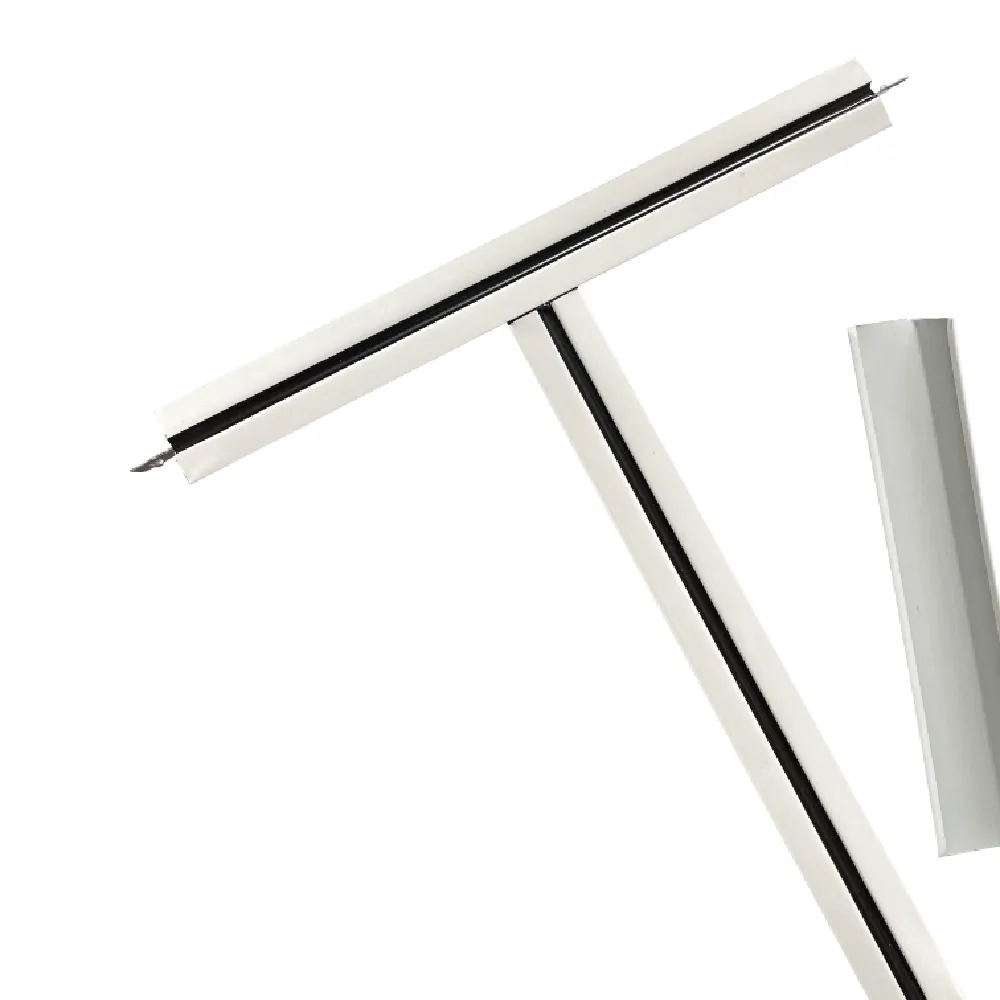
Put simply, ceiling grid suppliers manufacture and distribute the metal frameworks (usually aluminum or steel) that hold ceiling tiles or panels in place. These grids form a network of interconnected T-bars and main runners tailored to diverse ceiling dimensions and load requirements. They’re indispensable in modern buildings, allowing easy access to above-ceiling installations like HVAC or lighting.
This industry intersects with architecture, interior design, and even disaster relief sectors, where rapid deployment shelters might use modular ceiling grids for comfort and structural support. So, their relevance spans beyond just commercial construction — they’re also part of social infrastructure in various contexts.
Key Features of Ceiling Grid Systems
1. Durability
Ceiling grids must withstand weight, environmental moisture, and potential impacts. Supplier offerings differ by gauge thickness and corrosion-resistant coatings, which dictate how long a grid will last in humid or industrial spaces.
2. Scalability & Customization
Modern suppliers often offer customizable grid designs that allow fitting in unique architectural layouts, making easy adjustments for various tile sizes or acoustic requirements. Scalability is crucial for large developments or phased construction projects.
3. Cost-Efficiency
A competitive element. Low-cost components may shortcut on materials, but quality impacts longevity and stability. Effective suppliers balance affordability with high manufacturing standards and logistical cost control.
4. Ease of Installation
Time is money. Suppliers innovate here by producing lightweight, snap-fit components that reduce labor hours and onsite errors.
5. Environmental Sustainability
Recycled metals, reduced packaging, and supply chain optimization are becoming hallmarks of responsible ceiling grid suppliers in line with ISO standards on sustainable construction (ISO 21930).
Product Specification Table: Typical Ceiling Grid Characteristics
| Feature | Specification | Remarks |
|---|---|---|
| Material | Aluminum, Galvanized Steel | Corrosion resistant options available |
| Grid Width | 15mm - 24mm | Suitable for various tile sizes |
| Load Capacity | Up to 50 kg/m² | Depends on frame design and material |
| Finish | Powder-coated, Galvanized | Protects against rust and wear |
| Installation Method | Click-fit or screw-in connectors | Affects speed of construction |
Global Applications and Use Cases
Ceiling grid suppliers serve diverse sectors worldwide:
- Commercial Buildings: Office complexes increasingly rely on ceiling grids for versatile lighting and HVAC integration.
- Healthcare Facilities: Hospitals demand sterile, easily maintained ceilings where grids support acoustic panels that reduce noise.
- Post-Disaster Relief: In earthquake or hurricane-affected regions, modular ceiling grids assist quick reconstruction, improving habitability rapidly.
- Industrial Zones: Factories use grids to handle robust environmental conditions, such as chemical exposure or heavy machinery vibrations.
For example, Southeast Asia’s booming urban projects and African infrastructural upgrades lean heavily on efficient ceiling grid systems for scalable construction.
Advantages and Long-Term Value
Investing in quality ceiling grid systems pays dividends long-term:
- Cost-Saving: Durable grids reduce maintenance and repair expenses.
- Sustainability: Many brands use recycled steel or aluminum, supporting circular economy goals.
- Safety & Comfort: Well-installed ceiling grids improve fire resistance and acoustic comfort, promoting occupant well-being.
- Innovation & Trust: Worldwide, reputable ceiling grid suppliers deploy next-gen materials and design, reinforcing reliability.
Future Trends and Innovations
Looking ahead, ceiling grid suppliers are embracing several exciting developments:
- Smart Grids: Embedded sensors detecting humidity or structural shifts are becoming a reality.
- Eco-Friendly Materials: Bio-based coatings and renewable metal sourcing promise greener production.
- Automation: Robotics in fabrication improve precision and reduce waste.
Challenges & Expert Solutions
Despite progress, challenges persist:
- Supply Chain Disruptions: Global material shortages impact delivery times.
- Quality Inconsistency: Not all suppliers meet strict ISO standards.
- Environmental Concerns: Energy-intensive manufacturing requires innovation to decarbonize.
To navigate these, many ceiling grid suppliers work with certification agencies and invest in localized production hubs — making supply chains more resilient. Collaboration between architects, engineers, and suppliers also fosters better product customization and innovative design approaches.
FAQ: Frequently Asked Questions About Ceiling Grid Suppliers
Q1: What factors should I consider when choosing a ceiling grid supplier?
A: Focus on material quality, lead times, certification, cost, and supplier flexibility. Checking for ISO compliance and environmental credentials also helps ensure you get a product that’s durable and sustainable.
Q2: How do ceiling grids contribute to energy efficiency in buildings?
A: Proper ceiling grids allow integrating insulation and LED lighting easily while supporting HVAC ducts. This synergy can improve overall building energy performance.
Q3: Can ceiling grids be customized for unusual ceiling shapes?
A: Yes, many suppliers provide custom sizes and modular components that fit non-standard layouts, essential in modern and artistic architecture.
Q4: Are there eco-friendly ceiling grid options available?
A: Increasingly so. Look for grids made from recycled metals or with powder-coated finishes that produce fewer emissions compared to conventional coatings.
Q5: How do ceiling grid suppliers support large-scale construction projects?
A: They provide scalable, fast-assembly systems and often offer project management assistance, logistics coordination, and on-demand production capacity to keep timelines on track.
Vendor Comparison: Leading Ceiling Grid Suppliers
| Supplier | Material Quality | Price Range | Sustainability Initiatives | Global Reach |
|---|---|---|---|---|
| Xingyuan Ceilings | Premium-grade galvanized steel | Mid-range | Recycled alloys; ISO 14001 certified | Global (Asia, Europe, Americas) |
| AlphaGrid Solutions | Aluminum with powder coating | Higher-end | Energy-efficient production lines | North America, Europe |
| Global Grid Suppliers | Standard galvanized steel | Budget | In progress | Global |
Simply put, ceiling grid suppliers hold a surprisingly important place in the bigger story of building durable, adaptable, and sustainable spaces. For anyone involved in construction or facility planning, selecting the right supplier is a foundational step.
Thinking about your next ceiling project? Don’t hesitate to contact trusted ceiling grid suppliers who can customize solutions that fit your needs—balancing cost, quality, and green credentials.
Summary Takeaways
- Ceiling grid systems underpin critical infrastructure in various industries worldwide.
- Core attributes like durability, scalability, and sustainability distinguish quality suppliers.
- Integration of tech and ecological materials is poised to reshape future ceilings.
References
-
Benefits and Guide of Mineral Fiber Ceiling Board for InteriorsNewsApr.16,2026
-
Modern Mineral Fiber Ceiling Solutions for Acoustic PerformanceNewsApr.09,2026
-
Mineral Fibre Board Ceiling vs Gypsum Board A Comprehensive Comparison GuideNewsApr.07,2026
-
Comprehensive Guide to Mineral Fiber Ceiling Specification and PerformanceNewsApr.04,2026
-
What Are Mineral Fiber Ceiling Tiles Made Of And Their ApplicationsNewsMar.31,2026
-
Exploring the Benefits of Suspended Mineral Fibre Ceiling Systems for Modern BuildingsNewsMar.28,2026