
Dec . 02, 2025 09:45 Back to list
Comprehensive Guide to Ceiling Service Hatches: Features, Benefits & Trends
Understanding the Ceiling Service Hatch: Gateway to Efficient Building Maintenance
At first glance, a ceiling service hatch may seem like a minor, even hidden element of a building’s infrastructure. But, trust me, it’s far from insignificant. In our increasingly complex architectural and industrial environments, this small portal plays a surprisingly pivotal role. Globally, as urban spaces get denser and building systems more sophisticated, easy access to wiring, plumbing, HVAC, and other essential utilities becomes a necessity—not a luxury.
This access point ensures safety, efficiency, and reduces downtime during routine maintenance or emergency repairs. So, why should you care about the humble ceiling service hatch? Because its design, quality, and placement directly affect operational costs, worker safety, and even the sustainability of the built environment.
Global Context: Why Ceiling Service Hatches Matter Worldwide
The building construction sector accounts for over 40% of global energy consumption according to the International Energy Agency (IEA). Efficient maintenance access points like ceiling service hatches help reduce energy waste triggered by untimely repairs of HVAC or electrical systems. Urbanization in Asia and Africa drives new demand, with regions installing thousands of commercial and residential complexes yearly. The World Bank highlights maintenance infrastructure as a critical factor in extending building lifespan, especially in developing countries where construction resources are precious.
However, challenges emerge: unsafe or poorly designed service hatches can lead to accidents, unauthorized access, or increased maintenance time. The real issue is balancing security, durability, and convenience in a single product—no easy feat.
What Is a Ceiling Service Hatch?
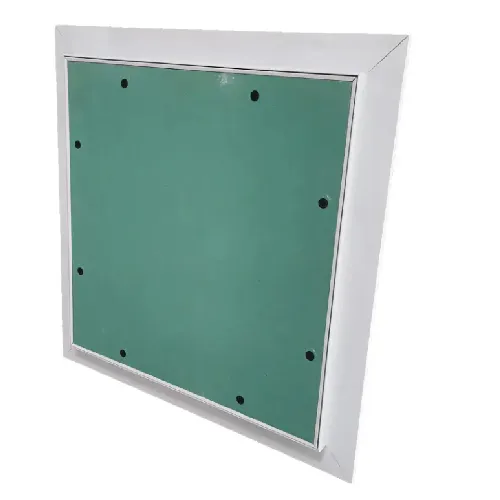
Simply put, a ceiling service hatch is an access panel installed in ceilings to provide entry to mechanical, electrical, or plumbing services hidden overhead. Think of it as a secret door for technicians to navigate the complex maze above your workspace or home ceiling.
Modern buildings rely heavily on concealed infrastructure — air ducts, fiber optic cables, sprinkler systems — all tucked away above ceiling tiles or drywall. Without the option for practical access, repairs turn into costly, time-consuming endeavors involving ceiling dismantling.
Core Components and Key Considerations
Durability
The hatch frame and door must resist corrosion and wear, especially in humid or industrial environments. Materials like galvanized steel or aluminium are common, sometimes combined with powder coating for extra protection.
Security & Safety
A properly fitted hatch offers secure locking mechanisms to prevent unauthorized entry and maintains fire rating compliance — crucial for commercial buildings and hospitals alike.
Accessibility & Size
The opening size should balance technician accessibility with minimal visual impact. Standard sizes range from 300x300 mm to 600x600 mm, but customized solutions exist.
Installation & Maintenance
Easy installation reduces labor time and disruption. Some hatches feature tool-free access or hinge systems for swift opening. Removable ceiling tiles may save time further.
Insulation & Soundproofing
Particular hatches include thermal insulation and soundproofing to prevent energy loss and noise transmission, especially in offices or residential properties.
Product Specification Table: Typical Ceiling Service Hatch
| Feature | Specification | Details |
|---|---|---|
| Material | Galvanized Steel / Aluminium | Corrosion-resistant, rated for indoor/outdoor use |
| Standard Sizes | 300x300 mm to 600x600 mm | Various sizes to fit access needs |
| Fire Rating | Up to 2 hours (varies) | Maintains integrity under fire conditions |
| Locking Mechanism | Cam lock or keyed lock | Prevents unauthorized access |
| Insulation | Optional foam or mineral wool | Improves energy efficiency and noise reduction |
Mini takeaway: The ceiling service hatch is more than a mere ceiling fixture — its materials, size, and security features all play fundamental roles in safeguarding buildings and easing maintenance workflows.
Global Applications and Real-World Use Cases
From sprawling hospitals in Europe to data centers in North America and commercial high-rises in Asia, the ceiling service hatch is a silent hero. In post-disaster recovery zones, for example, quick access can save critical ventilation or electrical systems from extended downtime, directly impacting health and safety.
Industrial zones across Germany and Japan deploy hatches customized for heavy-duty environments with high dust and chemical exposure resistance. Meanwhile, NGOs managing institutions in remote African regions favor hatches that are easy to install and maintain with limited tools.
And yes, you’ll often find these access panels in smart buildings fitted with IoT systems, enabling remote monitoring with minimal physical intervention. This trend significantly reduces maintenance costs, especially in commercial real estate.
Vendor Comparison Table: Leading Ceiling Service Hatch Suppliers
| Supplier | Materials | Customization | Lead Time | Warranty |
|---|---|---|---|---|
| AeroAccess Ltd. | Aluminium, Steel | High (custom sizes, finishes) | 2-3 weeks | 5 years |
| BuildSecure Inc. | Galvanized Steel | Standard sizes only | 1 week | 3 years |
| InfraHatch Systems | Steel + Fire-resistant Panels | Medium (fire rating options) | 4 weeks | 7 years |
Mini takeaway: Choosing a ceiling service hatch vendor involves balancing speed, customization, durability, and budget — and understanding your building’s specific requirements helps you make the best call.
Advantages and Long-Term Value of Ceiling Service Hatches
There’s an emotional side here too—imagine the relief of a technician who can quickly access a damaged pipe without tearing down drywall, or the peace of mind a building owner gains knowing that maintenance will not disrupt tenants. The logic aligns too: properly installed hatches reduce repair times and costs significantly and contribute to building sustainability by facilitating routine inspections.
Plus, they enhance safety by limiting accidental falls or injuries common with makeshift ceiling openings. Over years, the cost savings compound, making the initial investment well worth it.
Future Trends and Innovations
The future is bright for ceiling service hatches. With rising demand for green building certifications (LEED, BREEAM), manufacturers are innovating with recycled materials and improved insulation to enhance energy efficiency.
Automation is also creeping in—imagine electrically actuated hatches integrated into building management systems allowing remote opening and closing, cutting down manual labor even further. Digital tracking QR codes attached to hatches can help maintenance teams log work history and schedule inspections.
We’re also seeing lightweight composites replacing traditional metals for easier installation without sacrificing strength, which is kind of exciting.
Challenges and Solutions
Of course, ceiling service hatches are not without problems. Poor installation can lead to misalignment causing difficulty in opening. Low-quality materials risk rapid corrosion or warping. Security features are sometimes overlooked, leading to unauthorized tampering.
But many experts advocate for stricter installation standards and routine quality audits. Modular design, using standardized but adaptable frames, is becoming a preferred solution to ease replacement and upgrades.
FAQ: Frequently Asked Questions about Ceiling Service Hatches
- Q: What size ceiling service hatch do I need?
A: Typically, sizes range from 300x300 mm to 600x600 mm. It depends on the access requirements of your building's services; always consult with your maintenance professionals to ensure adequate space. - Q: Are ceiling service hatches fire-rated?
A: Many models come with fire ratings up to 2 hours, which helps maintain building safety compliance. Make sure to specify your requirements when purchasing. - Q: Can I install a ceiling service hatch myself?
A: While simple installations are possible, professional installation ensures proper fit, security, and compliance with safety standards — so it’s generally recommended. - Q: How do ceiling service hatches help with building energy efficiency?
A: Quality hatches include insulation and sealing features that prevent energy loss and reduce noise, contributing to overall building performance.
Conclusion: Why Investing in Quality Ceiling Service Hatches Pays Off
So there you have it — the ceiling service hatch might be a small component, but it underpins smooth, safe, and cost-effective building operations worldwide. By focusing on durable materials, thoughtful design, and future-ready features, you don’t just improve maintenance — you add long-term value to your property and peace of mind to its users.
Curious to explore more or ready to improve your building’s service access? Visit our website for industry-leading solutions and expert consulting: ceiling service hatch.
In the end, it’s these small, often overlooked details that keep the world running smoothly—one hatch at a time.
References
-
Benefits and Guide of Mineral Fiber Ceiling Board for InteriorsNewsApr.16,2026
-
Modern Mineral Fiber Ceiling Solutions for Acoustic PerformanceNewsApr.09,2026
-
Mineral Fibre Board Ceiling vs Gypsum Board A Comprehensive Comparison GuideNewsApr.07,2026
-
Comprehensive Guide to Mineral Fiber Ceiling Specification and PerformanceNewsApr.04,2026
-
What Are Mineral Fiber Ceiling Tiles Made Of And Their ApplicationsNewsMar.31,2026
-
Exploring the Benefits of Suspended Mineral Fibre Ceiling Systems for Modern BuildingsNewsMar.28,2026