
Dec . 02, 2025 12:50 Back to list
Comprehensive Guide to Metal Wall and Ceiling Access Panels: Benefits & Global Use
Understanding the Metal Wall and Ceiling Access Panel: A Global Perspective
If you've ever wondered how engineers and architects maintain hidden utilities or equipment behind walls and ceilings without hammering through concrete every time, you’ve encountered the humble yet vital metal wall and ceiling access panel. It’s one of those unsung heroes in construction and maintenance, quietly enabling smooth operations worldwide. But why does it matter on a global scale? Simply put, these panels serve industries ranging from healthcare and commercial buildings to industrial plants and disaster-relief shelters. With reliable, easy access points, they reduce repair times, enhance safety, and ensure the longevity of complex infrastructure.
Understanding metal wall and ceiling access panels opens doors (pun intended!) to smarter building maintenance, cost savings, and even energy efficiency. As the urban population surges—UN data estimates 68% of the world’s population living in cities by 2050—effective building design becomes more critical. These panels help meet that challenge by allowing seamless inspections and adjustments without disturbing the environment or requiring major renovations.
Introduction: The Global Context of Metal Wall and Ceiling Access Panels
Industries globally demand flexibility and durability, especially in infrastructures that must operate flawlessly day in and day out. According to ISO standards on building materials, sustainable and maintainable architecture is a necessity, not a luxury. Yet, the problem often faced in modern construction—and refurbishment—is how to facilitate regular inspections, outfit updates, and emergency interventions without invasive procedures.
Metal wall and ceiling access panels offer a practical solution that addresses this need. They are designed to provide quick, secure, and sometimes lockable access points while maintaining the aesthetic integrity of the space—no small feat when balancing form and function in crowded urban environments or sensitive facilities like hospitals.
What Are Metal Wall and Ceiling Access Panels?
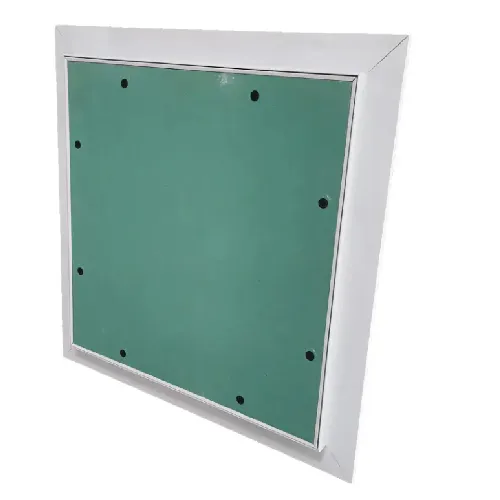
In simple terms, a metal wall and ceiling access panel is a framed, often flush or semi-recessed opening in a wall or ceiling, fitted with a metal door or cover. This cover is removable or hinged, allowing workers to reach behind drywall, ceilings, or partition walls. Commonly made from steel or aluminum, these panels come in various sizes and finishes depending on their use.
They’re especially crucial in modern buildings where mechanical, electrical, and plumbing systems (MEP) nestle unseen behind surfaces. Whether it’s checking a valve, replacing a filter, or running diagnostics on hidden alarms, an access panel is the gateway without which maintenance becomes disruptive, time-consuming, or hazardous.
Key Factors and Core Components
1. Durability
Metal panels are typically fabricated to resist corrosion, impact, and fire. You want the panel to last decades without warping or rusting, particularly in humid or harsh industrial environments. For instance, stainless steel variants are prevalent in hospitals for hygiene reasons.
2. Accessibility & Ease of Installation
Panels must be user-friendly – you don’t want technicians struggling with complicated locks or hinges during emergencies. Snap-in designs or key-lock options offer varying security levels, depending on the facility’s needs. Ease of installation also factors into project timelines and budgets.
3. Aesthetic Integration
Oddly enough, these panels often need to blend almost invisibly with their surroundings. Some come pre-coated in white or can be painted over, preserving the clean lines of modern interiors without making maintenance points eyesores.
4. Size and Customization
The panels vary widely — from small utility access points (e.g., 8” x 8”) to large ceiling panels spanning several feet. Custom sizes help tackle specialized needs, such as access to HVAC units or large conduit junctions.
5. Compliance & Safety
Panels are designed to meet strict fire-rating and load-bearing standards. In commercial buildings, compliance with National Fire Protection Association (NFPA) codes and others is critical. Faulty or non-compliant panels can jeopardize safety and increase liability.
Product Specification Table
| Specification | Typical Value/Options |
|---|---|
| Material | Steel, Aluminum, Stainless Steel |
| Finish | Powder Coated, Painted, Anodized |
| Fire Rating | Up to 3 Hours (per UL 10C and ASTM E119) |
| Size Range | From 6"x6" to Custom Sizes Over 48"x48" |
| Locking Mechanism | Cam Lock, Key Lock, Tool Access |
| Installation | Surface Mounted or Recessed |
Global Applications & Use Cases
- Medical Facilities: Hospitals use metal wall and ceiling access panels for quick access to plumbing and electrical systems while maintaining sterile environments.
- Commercial Buildings: Office towers install access panels to manage HVAC controls and networking equipment concealed in ceilings.
- Industrial Plants: Heavy industries depend on durable panels in corrosive or high-temperature zones to monitor machinery regularly.
- Post-Disaster Relief Efforts: Temporary shelters often incorporate metal access panels for easy maintenance of electrical and water lines, enabling rapid repairs without tearing down partition walls.
- Residential High-Rises: Modern urban dwellings use these panels behind walls to simplify upgrades or repairs in confined spaces.
Vendor Comparison Table
| Vendor | Material Quality | Customization Options | Delivery Time | Price Range |
|---|---|---|---|---|
| Xingyuan Ceilings | High-grade steel, corrosion-resistant | Custom sizes, finishes, locking | 2-3 weeks | Mid-range |
| Alpha Panels Inc. | Standard steel, powder coated | Limited sizes | 1-2 weeks | Budget-friendly |
| EcoAccess Solutions | Recycled aluminum options | Eco-conscious customization | 3-4 weeks | Premium |
Advantages and Long-Term Value of Metal Access Panels
People often overlook how these panels can save not just money but also peace of mind. From a cost perspective, they drastically lower the need for invasive repairs that can disrupt an entire building's function. Environmentally, choosing durable metals helps reduce waste and carbon footprints by avoiding frequent replacements.
On a more human level, metal wall and ceiling access panels contribute to safety and dignity. For instance, in hospitals and elderly care centers, quick access to infrastructure means faster interventions that can literally save lives. Also, for building occupants, the panels keep critical systems out of sight yet fully accessible, creating a more pleasant environment.
Future Trends and Innovations
It’s fascinating to see how access panels are evolving with new technology. For example, some manufacturers are integrating smart sensors into panels that monitor humidity or tampering alarms digitally. Meanwhile, sustainable materials like recycled metals and composites are gaining traction.
The rise of Building Information Modeling (BIM) software also impacts panel design and placement, enabling architects to plan maintenance pathways digitally. Plus, automation and robotics may soon allow panels to be opened remotely for inspections, reducing personnel risks.
Challenges and Solutions
No product is perfect: metal access panels occasionally face issues like improper sealing that leads to dust ingress or compromised fire ratings. Also, on-site installations can go awry if measurements don’t exactly match panel sizes. However, modular designs and better quality control, especially from trusted vendors, usually overcome these shortcomings.
Training installers properly and standardizing specifications can diminish variability. Additionally, customizable locking mechanisms improve security without sacrificing accessibility, a classic challenge solved by smart modern designs.
FAQ: Frequently Asked Questions About Metal Wall and Ceiling Access Panels
- What sizes of metal wall and ceiling access panels are available?
- Sizes usually range from small 6"x6" panels for simple utilities to large 48"x48" or custom sizes to accommodate bigger equipment. Vendors often offer custom dimensions to fit specific needs.
- Are these metal panels fire-rated?
- Yes, many metal access panels come with fire ratings up to 3 hours, complying with UL and ASTM standards, making them suitable for commercial and residential fire safety requirements.
- Can I paint a metal access panel to match my interior?
- Absolutely. Most panels have powder-coated or bare metal finishes that accept paint well, allowing you to blend them seamlessly with wall or ceiling colors.
- How difficult is installation?
- Installation is generally straightforward, especially with surface-mounted panels. Recessed types may require more precise cutting and support but are manageable by experienced contractors.
- Where can I find reliable suppliers?
- Vendors like Xingyuan Ceilings specialize in durable and customizable panels, offering a good balance of quality and lead times for worldwide clients.
Conclusion: Why Metal Wall and Ceiling Access Panels Are Essential
In real terms, metal wall and ceiling access panels play a quietly transformative role in building management and industrial maintenance. Their durable, secure, and versatile design means fewer interruptions, enhanced safety, and prolonged infrastructure life. As urbanization climbs and modern facilities demand smarter solutions, these panels will only grow in relevance.
Looking for top-tier metal wall and ceiling access panels customized for your needs? Visit Xingyuan Ceilings to explore options that combine quality, innovation, and reliability.
Mini takeaway: The right metal access panel is more than just a panel—it’s a practical investment enabling safer, smarter infrastructure worldwide.
References
-
Benefits and Guide of Mineral Fiber Ceiling Board for InteriorsNewsApr.16,2026
-
Modern Mineral Fiber Ceiling Solutions for Acoustic PerformanceNewsApr.09,2026
-
Mineral Fibre Board Ceiling vs Gypsum Board A Comprehensive Comparison GuideNewsApr.07,2026
-
Comprehensive Guide to Mineral Fiber Ceiling Specification and PerformanceNewsApr.04,2026
-
What Are Mineral Fiber Ceiling Tiles Made Of And Their ApplicationsNewsMar.31,2026
-
Exploring the Benefits of Suspended Mineral Fibre Ceiling Systems for Modern BuildingsNewsMar.28,2026