
Dec . 11, 2025 06:55 Back to list
Concealed Grid Suspended Ceiling Systems – Expert Insights & Comparison
Concealed Grid Suspended Ceiling Systems: A Veteran’s Take
Having been around industrial equipment and construction for a good chunk of my career, I can honestly say concealed grid suspended ceiling systems are one of those subtle pieces of design ingenuity you don’t often stop to admire — until you work closely with them.
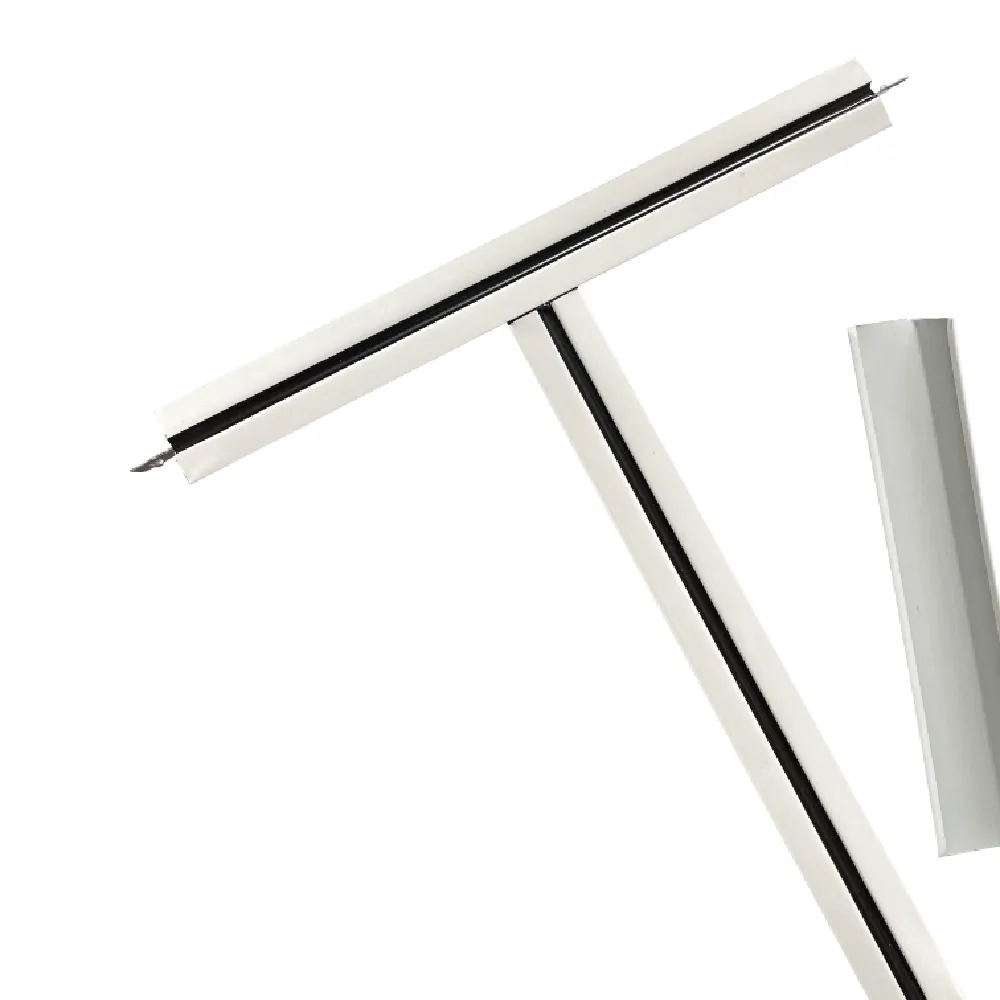
What exactly are we talking about? These systems offer a sleek, hidden support framework that allows ceiling panels to rest flush and unbroken, creating smooth, uninterrupted surfaces. This is in contrast to exposed grid systems that show the supporting grid visually, which isn’t always desirable in commercial or architectural settings.
It might seem a simple matter of aesthetics, but frankly, concealed grid suspended ceiling systems bring real functional value to industrial and commercial projects. You get cleaner lines and better visual appeal — yes — but also easier maintenance and improved durability. Often, clients want “that seamless look” without sacrificing the practicality.
From my experience, the best concealed grid systems are usually made of lightweight yet sturdy aluminum or galvanized steel. The materials ensure that the grids don’t warp over time and resist corrosion — especially useful in humid or temperature-variable environments like warehouses or cleanrooms.
Another thing many engineers I’ve talked to emphasize is how these systems often come with a variety of panel sizes and finishes. Customization is quite a big deal here. You might want acoustical panels for sound dampening, or maybe LED integration or access to HVAC systems behind the grid. The concealed design doesn't limit functionality — it enhances it.
Now, if you’re wondering about testing and standards, reputable concealed grid ceiling systems meet rigorous fire and seismic standards; you know, those things you want without thinking about until they matter. I’ve handled installations where we made sure every element was compliant with ASTM and UL requirements, giving peace of mind to building owners.
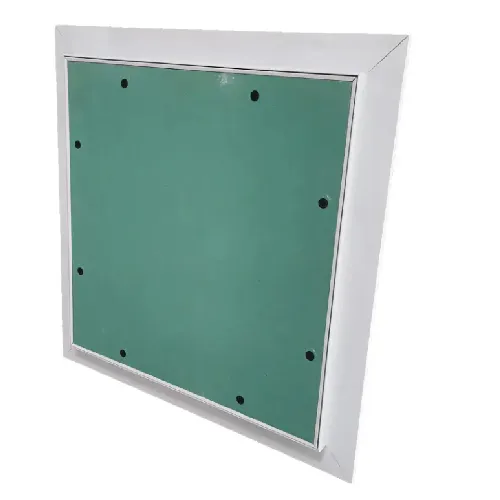
Speaking of real-world use, here’s a quick anecdote. I once worked on a high-tech lab where the client insisted on a ceiling system that hid all mechanical fixtures but still allowed easy panel removal. The concealed grid solution was perfect: it looked pristine, and maintenance workers could access ductwork without fuss when needed. It really felt like the system was designed to live in the building, not just decorate it.
| Feature | Specification |
|---|---|
| Material | Aluminum / Galvanized Steel |
| Finish Options | Powder-coated, anodized, or painted |
| Panel Sizes | 60x60 cm, 120x120 cm, customized dimensions |
| Load Capacity | Up to 15 kg/m² |
| Fire Rating | Class A / ASTM E84 |
| Accessories | Integrated lighting, HVAC vents, acoustic options |
Choosing the right vendor can be a bit daunting if you haven’t dealt with these systems before. To clear the fog a bit, here is my rundown on three popular suppliers whose products I’ve seen in the field — each with a slightly different approach, but all with solid reputations.
| Vendor | Material Quality | Customization | Lead Time | Price Range |
|---|---|---|---|---|
| Xingyuan Ceilings | High-grade aluminum alloys | Extensive panel sizes & finishes | 4-6 weeks | $$$ |
| Global Grid Systems | Premium galvanized steel | Moderate, standard sizes | 3-5 weeks | $$ |
| UrbanCeil Solutions | Standard aluminum | Custom only on large orders | 5-7 weeks | $$$ |
In sum, concealed grid suspended ceiling systems aren’t just “nice to have” — they have earned their spot in industrial and commercial architecture through a blend of durability, flexibility, and yes, that clean modern look. It's the kind of detail that, once implemented, you barely notice — but that shapes the entire environment’s feel.
If you’re embarking on a project that calls for ceilings which are both functional and visually refined, I’d seriously consider a concealed grid system. Oh, and be sure to check out concealed grid suspended ceiling systems from established providers — they honestly make a difference.
References:
- ASTM E84 — Standard Test Method for Surface Burning Characteristics
- Industry Interviews, 2022-2023, Various engineers and contractors
- Xingyuan Ceilings Product Datasheets, 2023
-
Benefits and Guide of Mineral Fiber Ceiling Board for InteriorsNewsApr.16,2026
-
Modern Mineral Fiber Ceiling Solutions for Acoustic PerformanceNewsApr.09,2026
-
Mineral Fibre Board Ceiling vs Gypsum Board A Comprehensive Comparison GuideNewsApr.07,2026
-
Comprehensive Guide to Mineral Fiber Ceiling Specification and PerformanceNewsApr.04,2026
-
What Are Mineral Fiber Ceiling Tiles Made Of And Their ApplicationsNewsMar.31,2026
-
Exploring the Benefits of Suspended Mineral Fibre Ceiling Systems for Modern BuildingsNewsMar.28,2026