
Nov . 29, 2025 13:10 Back to list
Durable and Secure Metal Ceiling Hatch Solutions for Modern Buildings
Understanding the Metal Ceiling Hatch: A Silent Workhorse in Modern Construction
At first glance, a metal ceiling hatch might seem like just another fixture in the vast panorama of building elements—but it’s much more than that. These seemingly simple panels fulfill a crucial role globally by balancing accessibility, security, and aesthetics in both commercial and industrial environments. Digging into what a metal ceiling hatch is and why it matters uncovers insights into how infrastructure maintenance, safety compliance, and sustainability quietly hinge on these metal portals.
Globally, the push towards more efficient building maintenance combined with evolving safety standards means the demand for reliable metal ceiling hatches is growing steadily. Whether for concealed access to HVAC systems or wiring spaces, these hatches are often the unsung heroes behind well-maintained buildings. Plus, their sturdy build and adaptability contribute to cost savings in upkeep and repairs. So, in essence, understanding the metal ceiling hatch is about appreciating a key enabler in modern building operations.
The Global Context: Why Metal Ceiling Hatches Are Essential Today
According to the International Organization for Standardization (ISO), facility access points, including ceiling hatches, must conform to strict standards to ensure safety and usability. With urban infrastructure booming worldwide—especially in developing economies as the UN reports over half the global population now lives in cities—the sheer volume of buildings needing maintenance access grows in parallel. Industrial zones, commercial skyscrapers, and public institutions all face the same challenge: providing secure, maintenance-friendly access without compromising aesthetics or fire safety.
Yet challenges persist. For example, in disaster-prone regions, maintaining rapid and safe access to critical systems can significantly impact recovery time and safety. That's where metal ceiling hatches step up—they’re engineered to withstand harsh conditions, prevent unauthorized access, and offer fire resistance when necessary. Frankly, it's a niche most people overlook despite their role in building longevity and user safety.
What Exactly Is a Metal Ceiling Hatch?
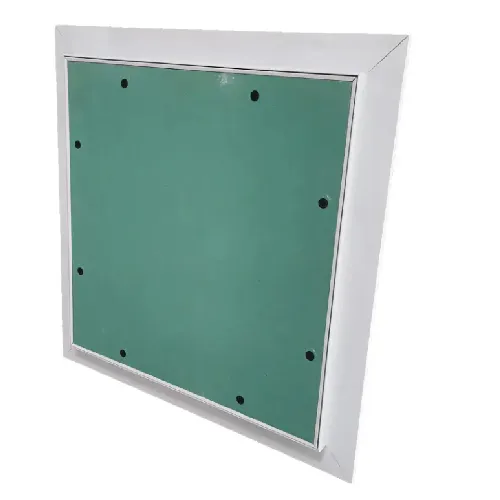
Simply put, a metal ceiling hatch is a panel—often made of steel or aluminum—that acts as a door in the ceiling structure, allowing for easy access into ceiling voids, ducts, or service areas above dropped ceilings. It serves as an entry point to essential infrastructure like ventilation shafts, electrical wiring, or sprinkler systems. Unlike drywall or wooden access panels, metal hatches offer enhanced durability, fire resistance, and often come with locking mechanisms to improve security.
These hatches are essential in modern industries such as construction, facility management, and emergency services. They bridge the gap between form and function, providing not only practical access but also complying with evolving regulatory demands, such as fire codes (NFPA standards) and energy compliance (ISO 50001).
Quick takeaway:
- Metal ceiling hatches offer secure, durable access points in buildings.
- They balance maintenance needs and safety compliance.
Core Components of Metal Ceiling Hatches That You Should Know
1. Durability and Material Strength
Steel is the most common material, favored for its resistance to corrosion, impact, and fire. Many engineers swear by galvanized steel for its reliability—especially in moist or industrial environments. Aluminum variants offer lighter weight and corrosion resistance but tend to cost a bit more.
2. Fire Resistance and Safety Ratings
Fire-rated metal ceiling hatches are designed to maintain the integrity of fire barriers, typically rated for 30, 60, or even 90 minutes of fire resistance according to UL 555 standards. This feature is mandatory in buildings with stringent fire codes, like hospitals or data centers.
3. Ease of Access and Maintenance
Practicality is key. Many metal ceiling hatches feature removable panels or hinged doors with secure locks for controlled entry. Some models include pneumatic springs or gas struts to ease opening—someone who has lugged a heavy hatch open won’t underestimate this feature.
4. Aesthetic Integration
Oddly enough, the metal hatch must blend with ceiling design. Whether in high-end offices or austere warehouses, manufacturers customize finishes, colors, and flush designs to avoid disrupting ceiling lines.
5. Installation Flexibility
Mounting can be surface-mounted or recessed, allowing installation in various ceiling thicknesses and types. Adaptability here saves time and cost during building upgrades or retrofits.
Mini summary:
- Material choice affects lifespan and safety.
- Fire rating often dictates hatch use cases.
- Design balances access convenience and visual appeal.
Product Specifications: Typical Metal Ceiling Hatch Model
| Specification | Details |
|---|---|
| Material | Galvanized Steel |
| Dimensions | 600mm x 600mm (Standard) |
| Fire Rating | 60-minute UL 555 certified |
| Locking Mechanism | Cam lock with key |
| Finish | Powder-coated white / custom colors |
| Installation | Surface-mounted or recessed |
Global Use Cases: Where and How Metal Ceiling Hatches Make a Difference
Regions like Europe and North America have seen wide adoption of metal ceiling hatches due to strict fire and safety regulations. For instance, in healthcare facilities where sterile, secure access is vital, metal hatches help maintain controlled environments.
Developing urban hubs in Asia and Africa rely on these metal access panels in industrial zones, where rapid maintenance can mean the difference between costly downtime and smooth operations. Even NGOs involved in disaster relief prefer metal ceiling hatches in temporary medical camps, because they secure critical systems with durability and ease.
In remote industrial areas—think mining or oil extraction plants—metal ceiling hatches protect sensitive wiring and ventilation while withstanding harsh environmental conditions.
In short, across continents and contexts, these products quietly support complex infrastructures from luxury hotels to emergency shelters.
Mini takeaway:
- Metal ceiling hatches’ roles vary across industries and geographies.
- Resilience in harsh environments is a common thread.
Advantages & The Long-Term Value of Choosing Metal Ceiling Hatches
- Cost savings: Durable materials reduce frequent replacements. Less maintenance means long-term savings.
- Sustainability: Many manufacturers use recyclable metal, supporting circular economy goals.
- Safety & Compliance: Fire-rated options provide peace of mind for building managers.
- Security: Lockable designs prevent unauthorized access to critical systems.
- Aesthetics: Finishes tailored for design harmony help maintain building style.
- Emotional reassurance: Knowing your building's hidden systems are safe builds occupant trust.
It’s one of those cases where the right hatch prevents headaches—stopping a minor leak or wiring repair from turning into a full-scale disruption.
Looking Ahead: Innovations and Trends in Metal Ceiling Hatch Technology
Recently, there’s been a push to integrate smarter components—like electronic locks with remote monitoring and sensors that detect humidity or temperature behind hatches. This ties metal ceiling hatches into the wider wave of building automation and smart infrastructure.
Also, manufacturers are experimenting with lightweight, corrosion-resistant alloys that maintain strength but reduce environmental footprints. Powder coatings now increasingly use eco-friendly resins, while some models include thermal insulation to improve energy efficiency.
The integration with metal ceiling hatch systems compatible with fire and acoustic ratings is becoming a must-have, not a luxury.
Common Obstacles & How Experts Overcome Them
Despite their benefits, metal ceiling hatches face a few challenges:
- Weight issues: Heavy steel hatches are tough to handle; customized hinges and gas springs aid accessibility.
- Corrosion risks: Coastal or chemical-heavy environments require specialized coatings or alloys.
- Installation complexity: Not every ceiling is standard height or thickness; modular designs help.
Innovative companies are responding with rapid-install kits, pre-finished units, and improved locking systems that marry security with ergonomics.
FAQ: Everything You Wanted to Know About Metal Ceiling Hatches
- What factors should I consider when choosing a metal ceiling hatch for an industrial facility?
- Look for materials resistant to your facility’s environment, fire-rating appropriate to local codes, secure locking options, and installation suitability. Durability and maintenance ease are key for high-traffic areas.
- Can metal ceiling hatches be customized in size and finish?
- Absolutely. Manufacturers typically offer a variety of sizes and finishes—powder coating, anodized aluminum, even custom colors—to ensure the hatch suits your aesthetic and functional needs.
- How do fire-rated metal ceiling hatches differ from standard models?
- Fire-rated hatches have reinforced materials and seals to contain flames and smoke for a specified duration, meeting standards like UL 555. These are essential in fire barrier walls and corridors.
- Are metal ceiling hatches suitable for outdoor roofing access?
- While primarily for indoor ceiling access, some heavy-duty, weather-sealed metal hatches are designed for roof inspections, but confirm specifications for waterproofing and weather resistance first.
- Where can I find reliable metal ceiling hatch suppliers?
- Look for vendors with proven compliance with industry standards and positive reviews. Visit metal ceiling hatch specialists offering warranties and post-sale support.
Vendor Comparison: Popular Metal Ceiling Hatch Brands
| Vendor | Material Options | Fire-Rated Models | Customization | Warranty |
|---|---|---|---|---|
| Xingyuan Ceilings | Steel, Aluminum | Yes (30 & 60 min) | Full size & finish | 5 years |
| SafeAccess Panels | Galvanized Steel | No | Standard sizes only | 3 years |
| FireGuard Hatches | Steel, Stainless Steel | Yes (up to 90 min) | Custom engineering services | 7 years |
Wrapping It Up: Why Every Building Needs a Solid Metal Ceiling Hatch
So, there you have it: metal ceiling hatches, while often overlooked, are fundamental to building functionality, safety, and long-term maintenance efficiency. Their ability to combine security, durability, fire protection, and aesthetic flexibility makes them indispensable globally—from urban skyscrapers to remote industrial sites.
If you’re embarking on a project that calls for secure overhead access, it’s worth considering quality metal ceiling hatch solutions to avoid costly headaches later. Curious to explore options? Visit metal ceiling hatch specialists who can guide you through your choices tailored to your project’s unique demands.
After all, it pays to look up—sometimes that hatch is the most important door you never thought much about.
References
-
Benefits and Guide of Mineral Fiber Ceiling Board for InteriorsNewsApr.16,2026
-
Modern Mineral Fiber Ceiling Solutions for Acoustic PerformanceNewsApr.09,2026
-
Mineral Fibre Board Ceiling vs Gypsum Board A Comprehensive Comparison GuideNewsApr.07,2026
-
Comprehensive Guide to Mineral Fiber Ceiling Specification and PerformanceNewsApr.04,2026
-
What Are Mineral Fiber Ceiling Tiles Made Of And Their ApplicationsNewsMar.31,2026
-
Exploring the Benefits of Suspended Mineral Fibre Ceiling Systems for Modern BuildingsNewsMar.28,2026