
Sep . 10, 2025 10:20 Back to list
Durable PVC Gypsum Ceiling Solutions | Waterproof & Elegant Designs
Introduction to PVC Gypsum Ceilings in Modern Architecture
In contemporary building design and construction, material selection profoundly impacts both the functionality and aesthetic appeal of interior spaces. Among the myriad options available for overhead finishes, the pvc gypsum ceiling stands out as a highly versatile and robust solution. These ceilings combine the inherent structural integrity and fire-resistant properties of gypsum board with the enhanced durability, moisture resistance, and aesthetic flexibility provided by a laminated PVC (Polyvinyl Chloride) surface. This amalgamation results in a product that is not only visually appealing but also exceptionally practical for a wide array of demanding commercial, industrial, and institutional environments.
The engineered synergy between gypsum and PVC addresses many common challenges faced in interior construction, such as maintaining hygiene, resisting humidity, and simplifying long-term maintenance. As a result, pvc gypsum ceiling solutions are increasingly specified by architects, interior designers, and procurement managers seeking reliable, cost-effective, and high-performance ceiling systems. This comprehensive guide delves into the technical aspects, application benefits, and market dynamics of this essential building material.
Industry Trends and Market Dynamics
The global market for ceiling materials is undergoing significant evolution, driven by urbanization, infrastructure development, and increasing demand for sustainable and high-performance building products. PVC gypsum ceiling tiles are positioned at the forefront of this growth, experiencing rising adoption across various sectors. Industry analyses indicate a steady Compound Annual Growth Rate (CAGR) for acoustic and suspended ceiling systems, with PVC laminated gypsum products forming a substantial segment due to their cost-effectiveness and versatile properties.
Key drivers include:
- Increased focus on hygiene: Post-pandemic, there's a heightened emphasis on easily cleanable and sanitizable surfaces, making PVC laminated options highly desirable for healthcare facilities, laboratories, and food processing units.
- Aesthetic versatility: Manufacturers are offering a wider range of patterns, textures, and colors, allowing architects greater design freedom to achieve specific interior aesthetics.
- Sustainability initiatives: Advancements in manufacturing processes are leading to more eco-friendly gypsum core materials and recyclable PVC laminates.
- Cost-effectiveness: Compared to other high-performance ceiling solutions, pvc laminated gypsum board price offers a compelling value proposition without compromising on essential features.
The demand is particularly robust in developing economies, where rapid urbanization fuels construction activities, and in mature markets, where renovation and retrofitting projects seek modern, durable, and low-maintenance solutions. The continuous innovation in PVC film technology, offering enhanced UV stability, anti-fungal properties, and scratch resistance, further solidifies the market position of these ceiling systems.
Technical Specifications and Manufacturing Process Flow
Product Composition and Core Parameters
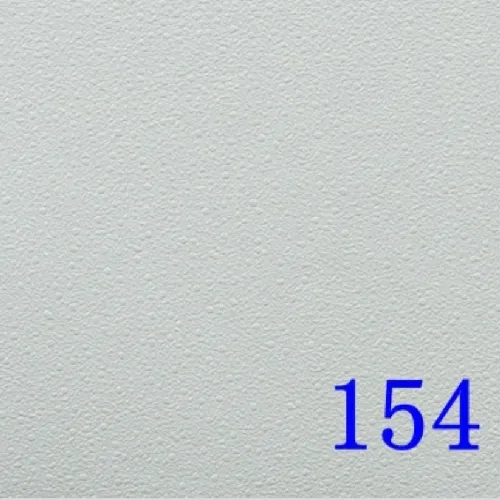
A pvc gypsum ceiling tile comprises a high-quality gypsum plasterboard core laminated on one side with a decorative PVC film and often backed with aluminum foil or paper on the reverse side. The gypsum core provides fire resistance (non-combustible in its natural state), structural stability, and thermal mass. The PVC film offers a durable, washable, and aesthetic surface, while the optional aluminum foil backing enhances moisture barrier properties and thermal insulation, making it suitable for environments requiring high performance against humidity or temperature fluctuations.
Typical Product Specifications
| Parameter | Specification Range | Standard |
|---|---|---|
| Dimensions (Length x Width) | 595x595mm, 600x600mm, 603x603mm, 605x605mm | EN 520 / ASTM C1396 |
| Thickness | 7.0mm to 12.0mm | EN 520 / ASTM C1396 |
| Density | ~700-800 kg/m³ | ISO 6721 |
| Fire Resistance | Class A (Non-combustible core) | EN 13501-1 / ASTM E84 |
| Moisture Resistance | Relative humidity | ASTM C473 |
| Thermal Conductivity (k-value) | 0.16 W/mK | ISO 8301 |
| Light Reflectance | > 80% | ASTM E1477 |
| Service Life | Typically 15-20 years under normal conditions | Manufacturer Data |
Manufacturing Process Flow for PVC Laminated Gypsum Ceiling Boards
The production of pvc laminated gypsum ceiling board involves a meticulously controlled, multi-stage process to ensure product consistency and performance.
- Gypsum Slurry Preparation: High-purity gypsum rock is crushed, calcined (dehydrated), and ground into plaster of Paris. This powder is then mixed with water, various additives (e.g., starch, fiberglass, foaming agents, retarders, accelerators) to form a flowable slurry.
- Casting and Forming: The gypsum slurry is continuously poured onto a moving belt between two layers of specialized paper. The additives control setting time and density. Precision casting ensures uniform thickness.
- Drying: The formed wet board undergoes a controlled drying process in multi-deck ovens to remove excess moisture and achieve optimal strength and stability. This is a critical stage to prevent warping and ensure structural integrity.
- Cutting and Sizing: After drying, the large gypsum boards are precisely cut to standard dimensions (e.g., 600x600mm, 600x1200mm) using automated CNC machinery. The edges are often squared or beveled depending on the intended suspension system.
- PVC Lamination: A pre-printed or embossed PVC film is adhesively bonded to the face of the gypsum board using specialized laminating machinery. The adhesive is carefully chosen for strong, lasting adhesion and environmental compatibility. Simultaneously, a foil or paper backing can be applied to the reverse side.
- Edge Sealing (Optional): For enhanced moisture resistance, the edges of the laminated panels can be sealed with a suitable sealant.
- Quality Control & Packaging: Each finished tile undergoes rigorous quality checks for dimensional accuracy, laminate adhesion, surface finish, and integrity. Approved panels are then stacked, wrapped, and packaged securely for transport.
Testing standards such as ISO 9001 for quality management and ISO 14001 for environmental management are often adhered to throughout the manufacturing chain, ensuring consistent product excellence. Further specific product performance is verified against standards like EN 520 (Gypsum plasterboards – Definitions, requirements and test methods) and ASTM C1396 (Standard Specification for Gypsum Board).
Application Scenarios and Target Industries
The versatility and robust performance characteristics of pvc laminated gypsum ceiling tiles make them ideal for a broad spectrum of indoor environments. Their combination of aesthetic appeal, durability, and practical advantages caters to the stringent requirements of diverse industries.
- Commercial Offices and Retail Spaces: PVC gypsum ceilings offer clean, modern aesthetics, excellent light reflectivity, and ease of access to plenum spaces for maintenance of HVAC and electrical systems. Their durability withstands frequent cleaning.
- Healthcare Facilities (Hospitals, Clinics, Laboratories): Critical for hygiene, these ceilings provide a smooth, non-porous surface that inhibits microbial growth and is easy to disinfect. The moisture resistance is vital in high-humidity areas like patient rooms and surgical suites.
- Educational Institutions (Schools, Universities): They offer a durable, low-maintenance solution for high-traffic areas. Sound absorption (with acoustic backing) can contribute to better learning environments.
- Hospitality (Hotels, Restaurants): A wide range of decorative PVC patterns and finishes allows for the creation of sophisticated and inviting interiors, while the ease of cleaning maintains high standards of presentation.
- Industrial Facilities (Food Processing, Cleanrooms): In these environments, strict sanitation is paramount. The non-absorbent, chemical-resistant PVC surface ensures compliance with regulatory standards for cleanliness and prevents contamination.
- Residential Buildings (Kitchens, Bathrooms, Basements): While primarily B2B, these products find niche applications in residential settings where high moisture or easy maintenance is desired, offering superior longevity compared to plain drywall.
In environments like petrochemical plants or metallurgy facilities (e.g., control rooms), while not directly exposed, the internal office spaces and control rooms benefit from the fire resistance and ease of maintenance. For water supply & drainage facilities, particularly in pump houses or administrative areas, the moisture resistance of pvc gypsum ceiling is a significant advantage, mitigating potential mold or mildew growth in damp conditions.
Technical Advantages and Performance Metrics
The engineered construction of pvc gypsum ceiling tiles confers a multitude of technical advantages that position them as a superior choice over traditional ceiling materials.
- Exceptional Moisture Resistance: The PVC laminate acts as an effective barrier against humidity, preventing moisture absorption into the gypsum core, which can lead to sagging, mold growth, and degradation in other materials. This is further enhanced by aluminum foil backing, significantly extending the product's lifespan in damp environments.
- Superior Fire Resistance: Gypsum itself is inherently non-combustible due to its chemically combined water content. When exposed to fire, this water is slowly released as steam, retarding heat transfer and providing passive fire protection, often achieving Class A ratings.
- High Durability and Longevity: The PVC surface is resistant to scratches, abrasions, and impact, ensuring the ceiling maintains its pristine appearance even in high-traffic areas. This significantly reduces maintenance and replacement costs over the product's extended service life.
- Thermal Insulation and Energy Saving: The gypsum core and optional foil backing contribute to improved thermal insulation, reducing heat transfer between floor levels or between conditioned spaces and unconditioned plenums. This can lead to measurable energy savings in heating and cooling costs.
- Ease of Maintenance and Hygiene: The smooth, non-porous PVC surface is incredibly easy to clean. It can be wiped down with damp cloth or mild detergents, making it ideal for sterile environments where cleanliness is paramount. It resists dust accumulation and staining.
- Acoustic Performance: While standard PVC gypsum tiles offer some sound reflection, specific variants with perforated designs or acoustic backing can achieve improved Noise Reduction Coefficients (NRC), contributing to better room acoustics.
- Rapid and Simple Installation: Designed for suspension grid systems, pvc laminated gypsum ceiling tiles allow for quick installation, significantly reducing project timelines and labor costs. Individual tiles can be easily removed for access to services.
Product Comparison: PVC Gypsum vs. Other Ceiling Materials
| Feature | PVC Gypsum Ceiling | Mineral Fiber Ceiling | Plain Gypsum Board (Painted) |
|---|---|---|---|
| Moisture Resistance | Excellent (PVC laminate + optional foil) | Good (Standard), Excellent (Specialty) | Poor (unless moisture-resistant type) |
| Fire Resistance | Class A (Gypsum core) | Good to Excellent (depending on composition) | Class A (Standard gypsum) |
| Cleanability / Hygiene | Excellent (Washable PVC surface) | Moderate (Can be cleaned, but porous) | Good (Painted surface) |
| Aesthetics / Finish Options | Wide range of patterns, colors, textures | Textured, limited patterns | Smooth, paintable (limited inherent finish) |
| Durability | High (Resistant to impact, scratches) | Moderate (Can be brittle, edge damage) | Moderate (Susceptible to dents, chips) |
| Cost-Effectiveness (Initial) | Moderate to High (Excellent value) | Low to Moderate | Low (Requires finishing) |
Customized Solutions and Vendor Comparison
Tailoring PVC Gypsum Ceilings to Project Needs
While standard pvc gypsum ceiling tiles offer significant advantages, many projects require bespoke solutions to meet specific design or performance criteria. Leading manufacturers provide extensive customization options:
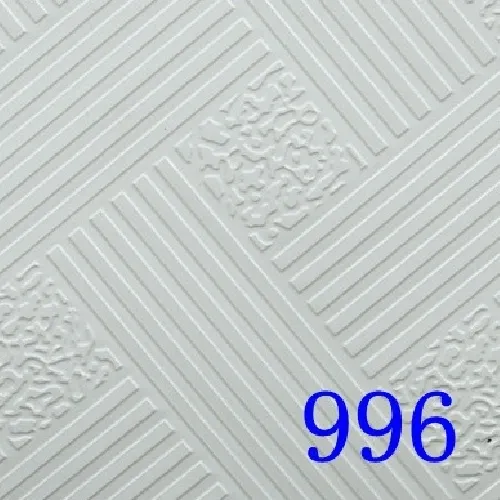
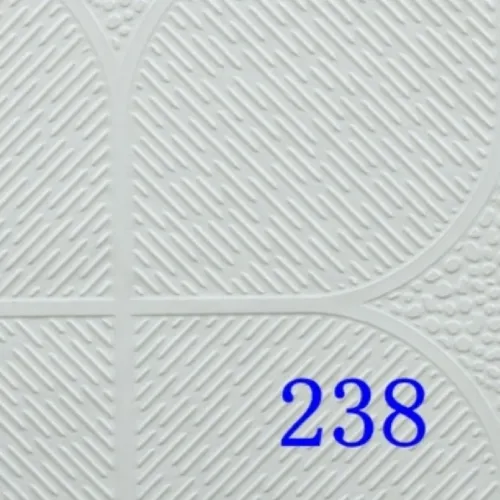
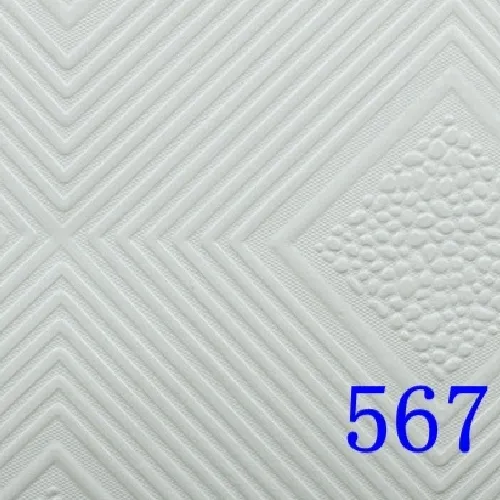
- Pattern and Texture: A vast library of PVC film designs, from subtle textures to intricate patterns, wood grains, or metallic finishes, allows for unique aesthetic integration with interior design schemes.
- Color Matching: Custom color matching services ensure the ceiling panels seamlessly blend with or complement existing branding or interior palettes.
- Dimensional Customization: While standard sizes are common, custom panel dimensions can be produced for large-scale projects to minimize waste or meet specific grid system requirements.
- Enhanced Performance Features: This includes specifying higher-density gypsum for improved impact resistance, thicker PVC films for extended durability, specialized anti-bacterial/anti-fungal coatings, or specific acoustic backing materials.
Collaborating with experienced technical teams from manufacturers ensures that customized solutions not only meet aesthetic goals but also adhere to all necessary performance standards and certifications.
Vendor Comparison and Selection Criteria
Selecting the right supplier for pvc gypsum ceiling products is crucial for project success. Decision-makers should evaluate vendors based on several key criteria:
- Product Quality and Certifications: Verify adherence to international standards like ISO, ASTM, CE. Look for quality control protocols, material sourcing transparency, and certified fire ratings.
- Manufacturing Capabilities: Assess the vendor's capacity for consistent production, their technological advancement in lamination and cutting, and their ability to handle large or custom orders.
- Technical Support and Expertise: A reliable vendor provides comprehensive technical data, installation guidelines, and support for complex project specifications. Their engineers should be available for consultation.
- Logistics and Lead Time: Evaluate their supply chain efficiency, lead times for standard and custom products, and reliability in meeting delivery schedules.
- Pricing and Value Proposition: While pvc laminated gypsum board price is a factor, it should be weighed against the product's overall quality, durability, and the long-term cost savings in maintenance and replacement.
- Warranty and After-Sales Service: Understand the warranty period and coverage, and the availability of responsive customer support for any post-purchase inquiries or issues.
- Reputation and Case Studies: Review past project references, customer testimonials, and the vendor's industry standing to gauge reliability and customer satisfaction.
Choosing a vendor with a proven track record of quality and service ensures a smooth project execution and a long-lasting, high-performing ceiling system.
Application Case Studies & Customer Experience
Case Study 1: Large-Scale Hospital Renovation
A major metropolitan hospital undertook a significant renovation of its patient wards and operating theaters. The key challenge was to select a ceiling material that met stringent hygiene standards, offered superior moisture resistance, and could be installed quickly with minimal disruption to ongoing hospital operations. After extensive evaluation, pvc laminated gypsum ceiling tiles with antibacterial coatings and aluminum foil backing were chosen.
- Outcome: The hospital reported a noticeable improvement in overall cleanliness and ease of disinfection. The ceilings resisted moisture from ventilation systems, preventing microbial growth. The rapid installation minimized downtime in critical areas, ensuring patient care was uninterrupted. Facility managers lauded the product's durability and low maintenance requirements.
- Customer Feedback (Simulated): "The PVC gypsum ceilings have transformed our hospital environment. They're incredibly easy to keep sterile, and the smooth finish contributes to a brighter, more hygienic space. The installation team was impressed with how quickly the project progressed." - Chief Facilities Officer, Metropolitan Healthcare System.
Case Study 2: High-Traffic Educational Campus
A newly constructed university campus required a durable and aesthetically pleasing ceiling solution for its lecture halls, corridors, and administrative offices. The materials needed to withstand heavy usage, offer good light reflection, and contribute to an inviting academic atmosphere. Custom-patterned pvc gypsum ceiling panels were selected.
- Outcome: The ceilings provided a consistent, modern look across the campus. Their robustness prevented damage from routine wear and tear, and the high light reflectivity helped reduce the need for excessive artificial lighting, contributing to energy savings. The ability to remove panels for IT and HVAC maintenance proved invaluable.
- Customer Feedback (Simulated): "Our design brief called for a ceiling that was both durable and visually appealing. The PVC gypsum solutions delivered on all fronts. They've held up exceptionally well in our busy corridors and provide a clean, professional aesthetic for our learning spaces." - Project Architect, Campus Development Board.
Ensuring Trustworthiness: FAQs, Lead Times, Warranty, and Support
Frequently Asked Questions (FAQs)
Q1: Are PVC Gypsum Ceilings fire-resistant?
A1: Yes, the gypsum core of these ceilings is inherently non-combustible and provides excellent fire resistance, typically achieving Class A fire ratings according to international standards such as EN 13501-1 and ASTM E84. The PVC laminate itself has a fire retardant composition.
Q2: How do PVC Gypsum Ceilings handle moisture and humidity?
A2: The PVC laminate provides a strong barrier against moisture and humidity, making these ceilings highly resistant to sagging, mold, and mildew. When backed with aluminum foil, their performance in high-humidity environments is further enhanced, making them ideal for bathrooms, kitchens, and industrial settings.
Q3: What is the typical service life of a PVC Gypsum Ceiling?
A3: Under normal indoor conditions and proper installation, pvc gypsum ceiling products are designed for a long service life, typically ranging from 15 to 20 years. Their durability and ease of maintenance contribute to their extended longevity.
Q4: Can these ceilings be cleaned?
A4: Absolutely. The PVC laminated surface is non-porous and highly washable. It can be easily cleaned with a damp cloth and mild detergent, making it an excellent choice for environments requiring strict hygiene, such as healthcare or food processing facilities.
Lead Time and Fulfillment
Our streamlined manufacturing processes and robust logistics network ensure efficient order fulfillment.
- Standard Products: Typical lead time for standard pvc gypsum ceiling tiles is 10-15 business days from order confirmation, depending on quantity and current production schedules.
- Customized Solutions: Lead times for custom patterns, colors, or specialized performance features may range from 3-4 weeks to allow for design approvals and unique material procurement.
- Delivery: We partner with reliable freight providers to ensure timely and secure delivery to project sites globally. Expedited shipping options are available upon request.
Warranty Commitments
We stand behind the quality and performance of our pvc gypsum ceiling products. All our products are covered by a comprehensive warranty against manufacturing defects and material failures under normal use and proper installation.
- Standard Warranty: A 5-year limited warranty covers delamination, significant discoloration, or structural integrity issues under specified environmental conditions.
- Extended Warranty: Options for extended warranty coverage may be available for large-scale projects or specific product lines, offering peace of mind for long-term investments.
Please refer to the specific product data sheet or contact our sales team for detailed warranty terms and conditions.
Customer Support and Technical Assistance
Our commitment to our clients extends beyond product delivery. We provide dedicated customer support and technical assistance to ensure seamless integration and optimal performance of our ceiling solutions.
- Pre-Sales Consultation: Expert advice on product selection, technical specifications, and customized solutions for your project requirements.
- Installation Guidance: Detailed installation manuals, technical drawings, and on-call support for installation teams.
- After-Sales Support: Responsive assistance for any product-related queries, troubleshooting, or warranty claims.
- Contact Information: For inquiries, please visit our website at www.xingyuanceilings.com or reach out to our sales and technical teams directly via email or phone.
Conclusion
The pvc gypsum ceiling represents an optimal convergence of aesthetic appeal, robust performance, and economic efficiency for modern construction projects. From its meticulously controlled manufacturing process, leveraging the inherent strengths of gypsum and the protective qualities of PVC, to its extensive range of application scenarios, this material offers unparalleled value. Its superior fire and moisture resistance, ease of maintenance, and design versatility make it a preferred choice for B2B decision-makers, architects, and engineers across diverse sectors including healthcare, commercial, and industrial facilities. As industries continue to prioritize durable, hygienic, and visually appealing interior finishes, the adoption of pvc gypsum ceiling solutions is set to expand, driven by ongoing innovation and a strong commitment to quality and technical excellence.
References
- ASTM C1396/C1396M-22, Standard Specification for Gypsum Board. ASTM International.
- EN 520:2004+A1:2009 Gypsum plasterboards - Definitions, requirements and test methods. European Committee for Standardization.
- ISO 9001:2015 Quality management systems - Requirements. International Organization for Standardization.
- Gypsum Association, GA-216-2023, Application of Gypsum Panel Products.
- Occupational Safety and Health Administration (OSHA), Safety and Health Regulations for Construction.
-
Benefits and Guide of Mineral Fiber Ceiling Board for InteriorsNewsApr.16,2026
-
Modern Mineral Fiber Ceiling Solutions for Acoustic PerformanceNewsApr.09,2026
-
Mineral Fibre Board Ceiling vs Gypsum Board A Comprehensive Comparison GuideNewsApr.07,2026
-
Comprehensive Guide to Mineral Fiber Ceiling Specification and PerformanceNewsApr.04,2026
-
What Are Mineral Fiber Ceiling Tiles Made Of And Their ApplicationsNewsMar.31,2026
-
Exploring the Benefits of Suspended Mineral Fibre Ceiling Systems for Modern BuildingsNewsMar.28,2026