
Dec . 02, 2025 04:50 Back to list
Flush Ceiling Hatch: Essential Guide to Access Panels for Modern Buildings
Understanding Flush Ceiling Hatch: A Modern Essential for Access and Safety
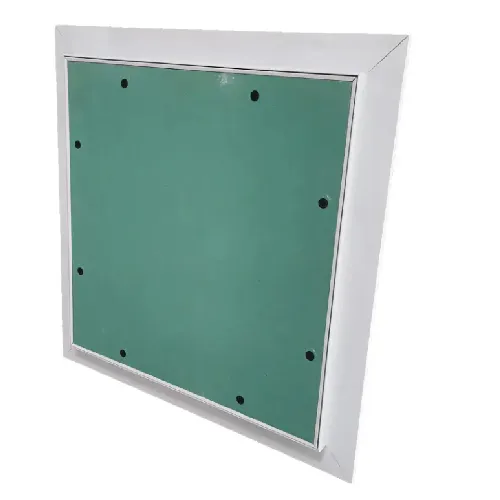
Simply put, a flush ceiling hatch is a discreet, often flat, panel installed in ceilings to enable safe, convenient access to areas like attic spaces, maintenance shafts, or hidden installations. Oddly enough, although these hatches don’t often steal the spotlight, their role in industries ranging from construction to disaster relief is surprisingly vital. Globally, as building standards rise and safety regulations tighten, understanding what makes a flush ceiling hatch work well – and why it’s more than a simple access point – matters for architects, engineers, and facility managers alike.
Why Flush Ceiling Hatches Matter Globally
The global construction and infrastructure industries are booming, with urbanization rates expected to reach 68% by 2050 according to the United Nations. As buildings grow more complex, so does the need for practical access solutions that don’t compromise aesthetics or safety. A flush ceiling hatch plays into this perfectly—providing a seamless access point while maintaining the integrity of a flat ceiling surface.
Additionally, in emergency response and humanitarian relief scenarios, quick and reliable access through a flush ceiling hatch can facilitate faster inspections and repairs, mitigating hazards before they escalate. The ability to combine durability, discreetness, and ease of use makes these hatches a quiet hero in many sectors worldwide.
What Is a Flush Ceiling Hatch?
At its core, a flush ceiling hatch is an access panel installed flush with the ceiling surface, minimizing gaps and protrusions. Contrary to bulky traditional hatches that can interrupt ceiling lines or interfere with lighting, flush types blend in, often featuring clean edges and paintable surfaces. They're crafted from various materials such as aluminum, steel, or reinforced polymer, designed to bear weight and withstand environmental factors.
This simplicity belies its sophistication. In modern industries, from commercial buildings and data centers to transportation hubs, flush ceiling hatches serve critical roles in accessing mechanical, electrical, and plumbing (MEP) components. You could say it’s the quiet doorman granting technicians passage while keeping the building’s sleek appearance intact.
Key Factors That Make Flush Ceiling Hatches Essential
1. Durability and Material Strength
Flush ceiling hatches must endure both physical stress and environmental conditions. For example, aluminum alloys provide corrosion resistance, essential for humid or industrial spaces, while steel variants deliver heavy-duty strength. Choosing the right material affects not only lifespan but also maintenance cycles and safety ratings.
2. Aesthetics and Seamlessness
Architects often seek hatches that won’t disrupt ceiling lines—embedding them flush means less shadowing and cleaner sightlines. Many come paint-ready to match ceiling colors, helping maintain uniformity.
3. Security Features
Depending on the application, hatches may include locking mechanisms or tamper-proof designs. In secure facilities—like data centers—this is non-negotiable for protecting sensitive equipment behind the access panel.
4. Ease of Installation and Maintenance
Some models integrate quick-release handles and lightweight construction, reducing labor costs and downtime for routine inspections or emergency interventions.
5. Fire and Safety Ratings
Often, flush ceiling hatches come with fire-rated options that prevent or delay fire spread. This plays a huge role in building code compliance, especially in commercial or mixed-use developments.
6. Compatibility & Size Options
From small electrical junction box access points to larger attic hatch doors, sizes and compatibility are crucial. Modular designs also support scalability across diverse project needs.
Typical Specifications of a Flush Ceiling Hatch
| Specification | Typical Range | Description |
|---|---|---|
| Material | Aluminum, Steel, Polymer | Choice affects durability and weight |
| Size (Width × Height) | 300×300mm to 600×900mm+ | Depends on access requirements |
| Fire Rating | 30, 60, 90 minutes | Compliance with safety standards |
| Locking Mechanism | Optional (Cam lock, Key lock) | Security for sensitive areas |
| Surface Finish | Paintable, Powder Coated | Enables aesthetic blending |
Global Use Cases & Who Benefits?
Flush ceiling hatches find their place everywhere — from skyscrapers in Tokyo to underground metro tunnels in London. In industrial zones in Germany, they allow engineers easy reach to HVAC and electrical systems without compromising safety and workflow. Oddly enough, their quiet utility shines brightest in disaster recovery contexts.
For example, after earthquakes or floods, rapid assessment of structural systems is critical. A durable flush hatch simplifies this task, letting inspection crews move faster, safer, and with minimal disruption. NGOs and aid organizations often specify these hatches when establishing temporary or modular housing.
Interestingly, data centers in the US and Singapore require tamper-proof flush ceiling hatches to maintain security standards and airflow optimization behind raised floors. Each region tends to select variations suited to their climate, local codes, and use.
Vendor Comparison: What to Look For
| Vendor | Material Options | Fire Rating | Locking Mechanisms | Price Range |
|---|---|---|---|---|
| Xingyuan Ceilings | Aluminum, Steel | 30 - 90 min UL Listed | Cam lock, Key lock | $$ |
| SecureAccess Inc. | Steel only | 60 min fire rated | Key lock only | $$$ |
| Metro Hatch Solutions | Polymer, Aluminum | Not fire rated | No lock, Quick release | $ |
The Advantages and Long-Term Value of Flush Ceiling Hatches
- Cost Efficiency: Their sturdy construction reduces frequent repairs and replacements, saving money long-term.
- Sustainability: Materials like aluminum are recyclable; also, flush designs help maintain ceiling insulation integrity, reducing energy waste.
- Safety & Trust: Meeting fire and security standards builds occupant confidence and complies with increasingly strict legislation.
- Innovative Appeal: Elevates building design sophistication without compromising practical facility needs.
Frankly, it feels like investing in a quality flush ceiling hatch isn’t just about functionality—it’s about futureproofing your building’s performance and your peace of mind.
Looking Ahead: Future Trends and Innovations
We’re noticing shifts towards incorporating smart technology into flush ceiling hatches. Imagine an access panel with built-in sensors notifying managers when opened, enhancing security tracking. Additionally, research into composites with better fire ratings yet lighter weights promises easier installation. Sustainability is driving manufacturers toward greener materials and production processes. And finally, the rise of automation could see robotic maintenance leveraging these hatches as primary access points.
Challenges and Solutions
One persistent challenge is balancing security with ease of access. Too much security can delay urgent servicing; too little raises risk. Experts suggest modular locking systems adaptable to building needs, plus staff training to optimize use. Moreover, inconsistent installation can cause gaps or warping—highlighting the need for professional fitting and high-quality product selection.
FAQ: Frequently Asked Questions About Flush Ceiling Hatch
- Q1: How do flush ceiling hatches improve building safety?
- A1: By providing secure and often fire-rated access points discreetly built into ceilings, they help contain potential hazards while enabling timely maintenance, thereby improving overall safety.
- Q2: Can a flush ceiling hatch be custom-sized?
- A2: Yes, many manufacturers offer custom sizing and finishes to fit diverse architectural needs and ensure seamless integration with ceiling materials.
- Q3: Are flush ceiling hatches suitable for outdoor use?
- A3: Generally, they are designed for interior use. However, certain specially treated and weatherproofed models exist for outdoor or semi-exposed locations, but confirm with vendors.
- Q4: How often should a flush ceiling hatch be inspected or maintained?
- A4: Best practice suggests at least annual inspections, especially in commercial and industrial environments, to ensure locking mechanisms and seals remain functional.
- Q5: What types of locking options are available for security?
- A5: Options range from simple cam locks and key locks to advanced electronic locking systems, dependent on security requirements and budget.
Conclusion & Call to Action
To wrap up: the humble flush ceiling hatch combines practical necessity and elegant design in one package. Its global importance only grows as buildings become smarter, safer, and more regulated. Investing in a quality flush ceiling hatch means you’re not only solving access problems but also embracing durability, security, and aesthetics that pay dividends over time.
Curious to upgrade your facility access or want to learn more? Check out flush ceiling hatch options at Xingyuan Ceilings – where innovation meets reliability.
Sometimes, the smallest components make the biggest difference.
References
-
Benefits and Guide of Mineral Fiber Ceiling Board for InteriorsNewsApr.16,2026
-
Modern Mineral Fiber Ceiling Solutions for Acoustic PerformanceNewsApr.09,2026
-
Mineral Fibre Board Ceiling vs Gypsum Board A Comprehensive Comparison GuideNewsApr.07,2026
-
Comprehensive Guide to Mineral Fiber Ceiling Specification and PerformanceNewsApr.04,2026
-
What Are Mineral Fiber Ceiling Tiles Made Of And Their ApplicationsNewsMar.31,2026
-
Exploring the Benefits of Suspended Mineral Fibre Ceiling Systems for Modern BuildingsNewsMar.28,2026