
Dec . 01, 2025 19:20 Back to list
Flush Mount Ceiling Access Panel - Seamless Access Solutions for Modern Buildings
The Essential Guide to Flush Mount Ceiling Access Panels: Why They Matter Worldwide
If you've ever peeked at a ceiling tile or wondered how HVAC technicians get to ductwork above commercial drop ceilings, you've seen the unassuming hero of modern building maintenance: the flush mount ceiling access panel. It might sound niche, but these panels quietly solve big problems — from aesthetics and safety to maintenance efficiency. Globally, as commercial, industrial, and residential buildings grow more complex, reliable—and nearly invisible—access points become essential.
Understanding these panels helps architects, contractors, and facility managers improve building functionality while maintaining sleek interiors, safety compliance, and sustainability. Seriously, they are one of those quiet things that once understood, you wonder why they weren’t always standard.
The Global Context: Why Flush Mount Ceiling Access Panels Are More Crucial Than Ever
Buildings worldwide are growing taller, smarter, and greener, with the United Nations reporting over 55% of the world’s population now living in urban areas — a percentage expected to hit 68% by 2050 (UN Climate Change Report). This urban explosion means taller commercial complexes, denser residential clusters, and increasingly complex HVAC, electrical, and fire suppression systems running through ceilings.
With stricter building codes from ISO and national safety boards emphasizing easier maintenance and fire safety, building managers encounter one persistent headache: how to access systems hidden behind ceilings without messy damage or ugly, bulky panels. Enter the flush mount ceiling access panel—designed for easy access yet blending seamlessly with ceiling surfaces.
The challenge: allowing access that is both secure and aesthetically pleasing. This panel solution decisively addresses it.
What is a Flush Mount Ceiling Access Panel? Breaking It Down Simply
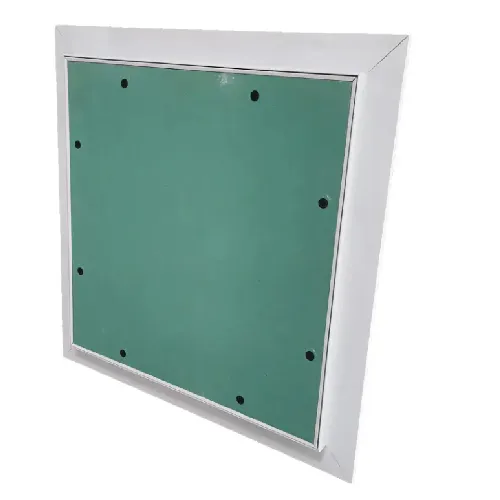
Put plainly, a flush mount ceiling access panel is a built-in door or hatch in a ceiling that aligns perfectly with the surrounding surface—meaning no annoying gaps or protrusions. Unlike traditional hinged access points that might stick out or require a frame, flush panels are designed to be as low-profile as possible, often with concealed hinges and locks.
They provide quick, reliable access to mechanical systems like air ducts, plumbing valves, electrical wiring, or sprinkler controls. Its “flush” design means the panel sits level with tiles, drywall, or plaster ceilings, which is particularly important in venues valuing both function and form—think hospitals, airports, or luxury offices.
In modern construction and humanitarian projects (where temporary or modular buildings are common), these panels help maintain safety and operational integrity without sacrificing valuable space or aesthetics.
Key Elements of Top-Quality Flush Mount Ceiling Access Panels
1. Durability
In many industrial or high-traffic areas, panels must be strong enough to withstand repeated opening and closing, occasional bumps, and environmental factors like moisture or heat. Many panels are constructed from steel or aluminum alloys with corrosion-resistant coatings. Durability equals fewer replacements and lower long-term costs.
2. Seamless Integration
The essence of “flush” is that the panel doesn’t disrupt ceiling lines. That means meticulous design around dimensions and finishes. Some come with paintable surfaces that installers can customize on-site to blend with textures or colors. It’s surprising how much attention to this detail affects client satisfaction.
3. Security & Safety
Whether protecting sensitive electrical wiring or fire suppression systems, panels sometimes lock or latch securely to prevent unauthorized access. Fire-rated panels, too, must meet strict codes — many comply with ASTM E119 or UL standards to stop flames and smoke from spreading.
4. Ease of Installation and Access
Mechanics and maintenance teams love panels that open smoothly with minimal tools and provide enough clearance for hands and equipment. Features like concealed latches or quick-release hinges reduce downtime during inspections.
5. Versatility & Size Options
Because no ceiling or building is the same, manufacturers design panels in various sizes from 12"x12" up to large utility sizes like 24"x48" or custom cuts. Some models accommodate drywall ceilings, others tile or plasterboard, which is handy.
6. Sustainability
Oddly enough, access panels tie into green building trends. Reusable, recyclable materials, low-VOC coatings, and long life cycles contribute to LEED credits in some projects.
Quick Takeaway:
Flush mount ceiling access panels cleverly blend strength, design, and function for modern building demands—pretty much a quiet superhero.
Global Applications: Where and Who Benefits Most?
These panels show up everywhere:
- Commercial Buildings: Office towers, malls, hotels often require sleek, code-compliant access points for HVAC and fire spray systems.
- Healthcare: Clinics and hospitals need rapid access to critical systems but can’t afford ugly panels disrupting sterile environments.
- Post-Disaster Relief: In places recovering from natural disasters, temporary shelters with flush panels make maintenance quick and keep interiors protected.
- Industrial Sites: Power plants or factories use heavy-duty models to access electrical conduits safely amid harsh environments.
- Transportation Hubs: Airports and train stations prioritize safe, concealed access that doesn't distract passengers.
For example, in Southeast Asia’s burgeoning urban centers, builders rely on flush mount ceiling access panel solutions to satisfy both aesthetic trends and aggressive building codes.
Advantages & Long-Term Value of Flush Mount Ceiling Access Panels
On the logical side, they reduce maintenance time and costs by making access easy and damage-free. On the emotional and social side, they support safety — preventing accidental falls, protecting sensitive equipment, and boosting user confidence.
They foster trust between building owners, tenants, and safety inspectors. Innovation doesn’t feel cold when it solves real human concerns like dignity and security.
| Specification | Typical Range | Notes |
|---|---|---|
| Material | Aluminum, Steel, Fiberglass | Varies by environment (indoor/outdoor) |
| Size | 12"x12" to 24"x48" | Custom sizes available |
| Fire Rating | Up to 2 hours (UL 263) | For hazardous installations |
| Finish | Paintable, powder-coated, anodized | Match ceiling aesthetics |
| Latch Type | Concealed, Key-lock, Push-to-open | Depends on access level required |
Vendor Comparison: Picking the Right Flush Mount Ceiling Access Panel Manufacturer
| Manufacturer | Material Options | Customization | Fire Rating | Price Range |
|---|---|---|---|---|
| Xingyuan Ceilings | Aluminum, Steel | High (custom sizes/finishes) | Up to 2 hours UL | $$ - Moderate |
| SecurePanel Inc. | Fiberglass, Steel | Medium | 1 Hour Fire Rating | $$$ - High |
| EasyAccess Co. | Aluminum only | Low (standard sizes) | No Fire Rating | $ - Budget |
Looking Ahead: Innovations Shaping Flush Mount Ceiling Access Panels
With sustainability front and center, materials derived from recycled metals and environmentally friendly finishes are gaining traction. Some companies experiment with smart access panels embedded with sensors that notify maintenance crews when opened or if temperature/humidity crosses thresholds. It's sort of like adding a brain to a once-simple door.
Digital transformation also means easier customization through 3D printing and quicker construction timelines. And as green building certifications demand better air sealing and fire safety, flush panels adapt with improved gaskets and fire-rated composites.
Common Challenges & How The Industry Tackles Them
Despite their benefits, installation can be tricky if workers aren’t familiar with the panel system, or if sizes don’t match up perfectly with varying ceiling materials. Also, high fire ratings often bump up costs.
Innovative contractors now rely on modular panels designed for quick snap-in installation and universal frames that adjust to different ceiling types. Others deploy training programs emphasizing exact measurements and on-site customization.
FAQ: Flush Mount Ceiling Access Panel
Q1: What sizes do flush mount ceiling access panels typically come in?
A1: The most common sizes range from 12"x12" up to 24"x48", but many manufacturers offer custom dimensions to fit unique ceiling designs or specific maintenance needs.
Q2: Can these panels be painted to match my ceiling?
A2: Absolutely. Most flush mount panels come with paintable surfaces or powder-coated finishes allowing seamless blending with ceiling textures and colors.
Q3: Are flush mount ceiling access panels fire-rated?
A3: Many models meet UL fire ratings up to 2 hours, which is crucial for commercial or industrial buildings requiring strict compliance.
Q4: How secure are these panels — can they lock?
A4: They usually offer options including concealed latches, key-locks, or push-to-open mechanisms depending on how much access control is necessary.
Q5: What industries benefit most from using flush mount ceiling access panels?
A5: Healthcare, commercial real estate, manufacturing, disaster relief shelters, and transportation hubs find these panels indispensable for clean appearances and easy system access.
Wrapping Up: Why Flush Mount Ceiling Access Panels Are an Investment Worth Considering
In real terms, these panels do more than just open a hole in a ceiling. They protect assets, reduce maintenance headaches, improve safety, and keep interiors looking pristine. As global building trends push toward smarter and greener structures, flush mount ceiling access panels will continue quietly supporting the vital infrastructure behind the scenes.
Interested in exploring quality options? Visit Xingyuan Ceilings to discover a product line that balances form and function beautifully.
Final Mini Takeaway:
An easy-to-overlook detail, the flush mount ceiling access panel plays an outsized role in modern building design by melding aesthetics with critical utility.
References
-
Benefits and Guide of Mineral Fiber Ceiling Board for InteriorsNewsApr.16,2026
-
Modern Mineral Fiber Ceiling Solutions for Acoustic PerformanceNewsApr.09,2026
-
Mineral Fibre Board Ceiling vs Gypsum Board A Comprehensive Comparison GuideNewsApr.07,2026
-
Comprehensive Guide to Mineral Fiber Ceiling Specification and PerformanceNewsApr.04,2026
-
What Are Mineral Fiber Ceiling Tiles Made Of And Their ApplicationsNewsMar.31,2026
-
Exploring the Benefits of Suspended Mineral Fibre Ceiling Systems for Modern BuildingsNewsMar.28,2026