
Nov . 18, 2025 13:00 Back to list
How to Install T-Bar Ceiling Grid | Efficient & Sustainable Ceiling Solutions
Understanding How to Install T-Bar Ceiling Grid: Why It Matters Globally
So, you’ve probably walked beneath a T-bar ceiling grid and barely given it a second thought. But this seemingly simple framework is a cornerstone of modern construction and interior design, popping up everywhere from office buildings in New York to classrooms in Nairobi. Why does knowing how to install T-bar ceiling grid matter? Because it’s one of the most efficient, flexible, and cost-effective ways to create suspended ceilings — which doesn’t just look clean and polished but also solves real challenges like acoustics, lighting, and access to utilities.
Globally, suspended ceilings like T-bar grids contribute significantly to urban development and disaster recovery projects, offering rapid deployment solutions for modular buildings and temporary shelters. Plus, understanding their installation method saves time and headache for contractors and facilities managers alike.
Mini takeaway: Mastering how to install T-bar ceiling grid unlocks a practical skillset that supports modern construction’s demands for versatility, speed, and sustainability.
The Global Context Behind Installing T-Bar Ceiling Grids
Now, let’s zoom out. The World Bank estimates that the global construction industry is set to grow by 70% by 2030, driven largely by urbanization and infrastructure renewal. This boom makes efficient interior framing systems like T-bar ceilings incredibly relevant. In fact, ISO standards for construction materials encourage modular, repeatable methods that minimize waste — and T-bar ceiling grids fit that bill perfectly.
But challenges remain. Speed of installation often limits project timelines, especially in developing regions where skilled labor can be scarce. Moreover, integrating lighting, HVAC, and fire safety systems neatly requires quality ceiling grid frameworks that are both flexible and robust.
How to install t-bar ceiling grid techniques address these problems head-on: they streamline installation without sacrificing performance.
What Is a T-Bar Ceiling Grid, Really?
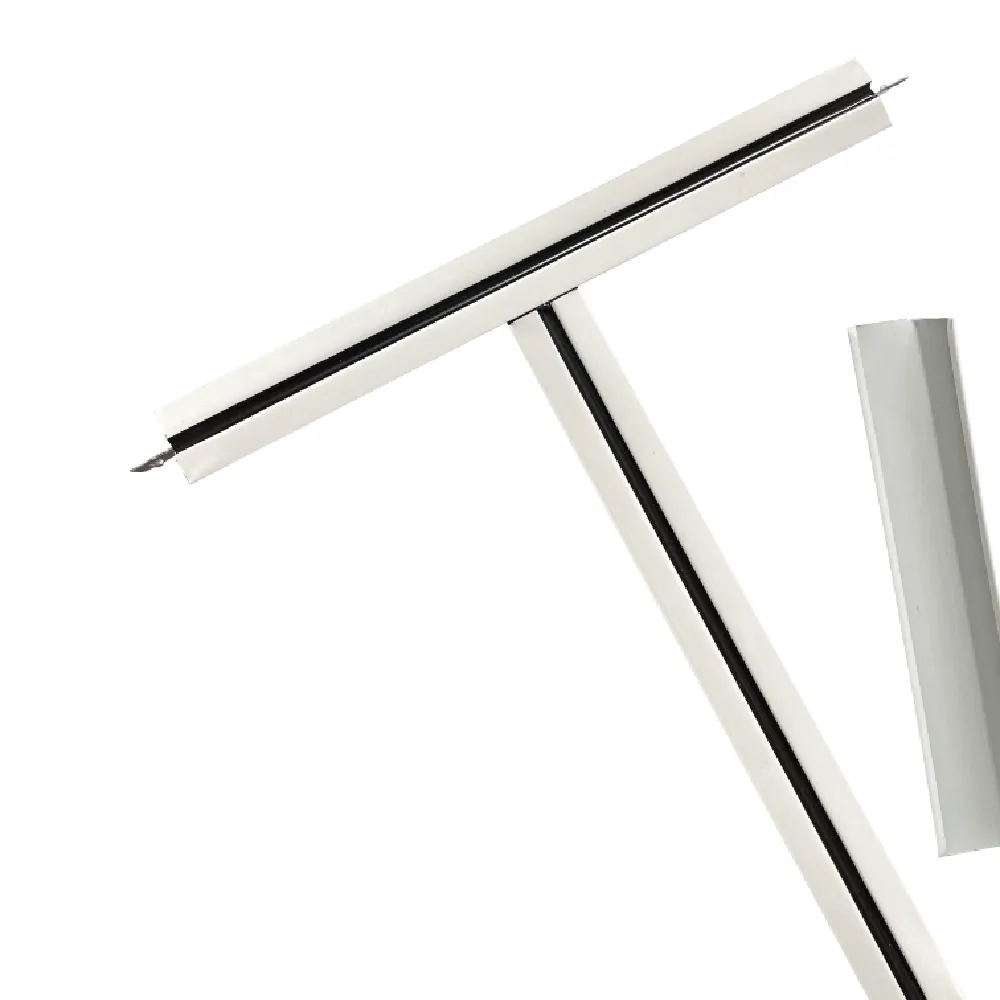
Let’s simplify the jargon. A T-bar ceiling grid is a metal framework forming a grid pattern, suspended from the structural ceiling. This grid supports ceiling tiles — usually lightweight, acoustic panels — and allows easy access for maintenance or wiring. Think of it as the skeleton of a suspended ceiling, lending shape and strength while hiding the mess above.
From modern office towers to emergency shelters, their modularity means you can install, remove, or replace tiles without major disruption. This adaptability relates directly to sustainability and resource efficiency, increasingly valued in industries worldwide.
Core Components and Key Factors of Installing T-Bar Ceiling Grids
1. Durability and Material Quality
The grid’s metal, often galvanized steel or aluminum, must resist rust and warping — especially in humid climates or industrial environments. I noticed many installers favor steel for its combo of strength and cost but switch to aluminum in coastal areas to fight corrosion.
2. Ease of Installation
Installation usually involves suspending main runners and cross tees to create a reliable grid, fixed by hangers and brackets. The beauty is speed—you can frame large areas in hours. Without practice, it can get fiddly, so understanding the layout before cutting pieces is crucial.
3. Compatibility with Ceiling Tiles and Utilities
Tiles typically come in 2x2 or 2x4 feet panels that fit snugly into the slots. What’s cool is how the grid system provides space for lighting fixtures, sprinklers, and cables—making those late-night facility fixes less painful.
4. Cost Efficiency
You get a lot for your dollar: affordable raw materials, minimal waste, and reduced labor costs compared to drywall ceilings. However, selecting the right profile size and gauge ensures balance between sturdiness and budget constraints.
5. Scalability and Customization
Whether it’s a small office room or a sprawling airport terminal, racks of T-bar ceilings can scale up easily. Some suppliers even offer custom colors or finishes — handy for designers wanting something beyond simple white.
Mini takeaway: Durability, installation ease, and adaptability aren’t just buzzwords. They form the bedrock of installing a reliable and multifunctional T-bar ceiling grid.
Real-World Applications of T-Bar Ceiling Grid Installation
From bustling commercial hubs to makeshift clinics in remote areas, the T-bar ceiling grid is everywhere. In Asia-Pacific’s rapid urban expansion, construction teams rely on these grids to speed up fit-outs. In humanitarian projects, modular T-bar ceilings enable quick shelter assembly, providing a safer, more dignified environment for displaced people.
For instance, in post-earthquake Nepal, modular ceiling grids were integral in setting up temporary classrooms that met safety standards while allowing ventilation in humid summers.
Industries like retail, healthcare, and education also value ceilings that can integrate lighting and soundproofing while remaining accessible for upgrades or repairs.
Why Invest in Proper T-Bar Ceiling Grid Installation? Advantages and Long-Term Value
- Cost Savings: Lower lifecycle costs due to easy maintenance and long-lasting materials.
- Sustainability: The option to reuse grid components aligns with circular economy principles.
- Acoustic Control: Supports tiles that tame noise, improving comfort and productivity.
- Safety and Compliance: Facilitates installation of fire sprinkler systems and smoke detectors.
- Aesthetic Flexibility: Offers clean lines and a variety of design options for different tastes or branding.
I’ll admit, the emotional value hits when you know a ceiling system contributes to safe environments — in offices or emergency shelters alike. Trust me, that peace of mind is priceless.
Emerging Trends in T-Bar Ceiling Grid Technology and Installation
Interestingly, the ceiling industry is buzzing with innovations. Lightweight composite materials aim to reduce installation strain, and digitized layout apps help installers virtually plan grid layouts precisely, cutting errors and waste. Green building protocols push for low-VOC coatings and recyclable metal grids.
Automation is creeping in too; some manufacturers now offer snap-in connectors eliminating screws altogether. And with an eye on net-zero energy buildings, grids are increasingly integrated with LED lighting and HVAC controls to optimize energy use.
Challenges in Installation and Practical Solutions
It’s not all sunshine. One common gripe: uneven or bowed ceilings that make leveling the grid tricky. Also, tight schedules often pressure teams to rush installations, risking mistakes.
Pro tip: a laser level and pre-planning the ceiling layout can save hours of headaches. Plus, training on best practices is essential — some suppliers offer onsite demos to shore up skills.
Frequently Asked Questions About How to Install T-Bar Ceiling Grid
- Q1: What tools do I need for installing a T-bar ceiling grid?
- Basic tools include a laser level, tin snips, pliers, screwdrivers, and a tape measure. Also, consider ladder safety equipment as ceiling heights can vary.
- Q2: Can T-bar ceiling grids be installed on uneven ceilings?
- Yes, but you’ll need to use adjustable hangers and level the grid meticulously using laser levels to compensate for irregularities.
- Q3: How long does it typically take to install a T-bar ceiling grid?
- Speed varies with project size, but a skilled crew can install a standard office grid covering several hundred square feet within a few hours.
- Q4: Are there any fire safety considerations?
- Absolutely. Use fire-rated ceiling tiles compatible with your grid system and include clearance for sprinklers and smoke detectors as per local codes.
Product Specifications at a Glance
| Specification | Typical Range | Notes |
|---|---|---|
| Material | Galvanized steel or aluminum | Depends on environment for corrosion resistance |
| Finish | White baked enamel, raw metal, custom colors | Aesthetic and functional preferences |
| Profile Size | Main runners: 24mm to 38mm; Cross tees: 15mm to 24mm | Choosing profile affects load capacity |
| Tile Sizes Supported | 600x600 mm (2x2 ft), 600x1200 mm (2x4 ft) | Standard industry sizes |
| Load Capacity | Up to 1.5 kg/m² typically | Supports ceiling tiles & light fixtures |
Vendor Comparison: Leading T-Bar Ceiling Grid Suppliers
| Vendor | Material Options | Customization | Lead Time | Price Range |
|---|---|---|---|---|
| Xingyuan Ceilings | Steel, Aluminum | Full color, size options | 2-3 weeks (standard orders) | Competitive |
| CeilingCo | Galvanized steel only | Limited (standard profiles) | 1-2 weeks | Mid-range |
| Global Grids | Steel, Aluminum, Composite | Extensive custom options | 3-4 weeks | Premium |
Wrapping Up: Why Well Installed T-Bar Ceiling Grids Are a Smart Investment
To put it simply, knowing how to install T-bar ceiling grid is an understated but invaluable skill — one that supports fast, flexible building solutions all around the world. From sustainability to cost-effectiveness and safety, the benefits loom large.
Next time you want a ceiling system that’s quick to install, easy to maintain, and adaptable wherever you’re working, this grid system will be your best friend. Curious to dive deeper or ready to order? Visit our website at Xingyuan Ceilings and see what’s new.
Mini takeaway: The right ceiling grid, installed well, isn’t just about covering a room—it’s about building a smarter, safer environment for years to come.
References:
-
Benefits and Guide of Mineral Fiber Ceiling Board for InteriorsNewsApr.16,2026
-
Modern Mineral Fiber Ceiling Solutions for Acoustic PerformanceNewsApr.09,2026
-
Mineral Fibre Board Ceiling vs Gypsum Board A Comprehensive Comparison GuideNewsApr.07,2026
-
Comprehensive Guide to Mineral Fiber Ceiling Specification and PerformanceNewsApr.04,2026
-
What Are Mineral Fiber Ceiling Tiles Made Of And Their ApplicationsNewsMar.31,2026
-
Exploring the Benefits of Suspended Mineral Fibre Ceiling Systems for Modern BuildingsNewsMar.28,2026