
Oct . 05, 2025 23:30 Back to list
Mineral Fiber Board for Quiet, Safe Ceilings—Why Choose It?
The Insider’s Take on Mineral Fiber Ceilings: What Matters in 2025
If you’re sizing up options for acoustic ceilings, mineral fiber board still punches above its weight. To be honest, the category keeps evolving—better acoustics, better finishes, and fewer headaches for installers. I’ve been on jobs where contractors swapped plans mid-bid because the new gen panels hit the sweet spot of price, NRC, and lead time.

What’s Trending
- Higher NRC with lighter panels (porosity tuning + surface micro-perfs).
- Stable color and light reflectance (LR ≥0.85) for energy-efficient spaces.
- Moisture resistance claims at RH95 and better sag control than older lines.
- Greener binders and recycled content—real-world VOC testing is now routine.
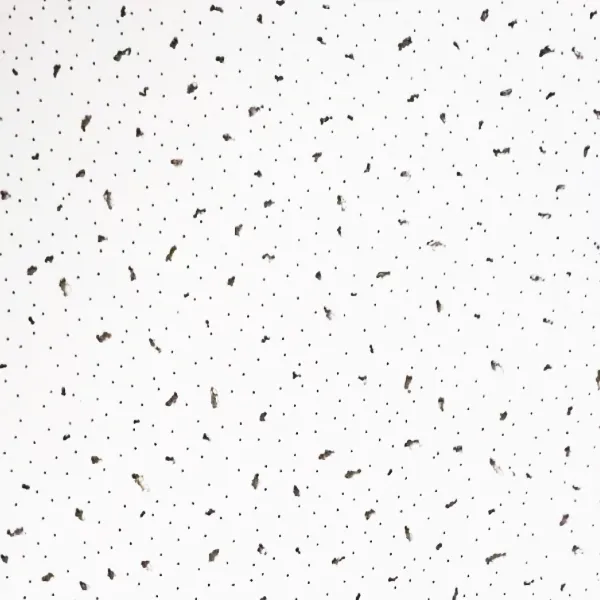
Technical Specs (Typical, project-dependent)
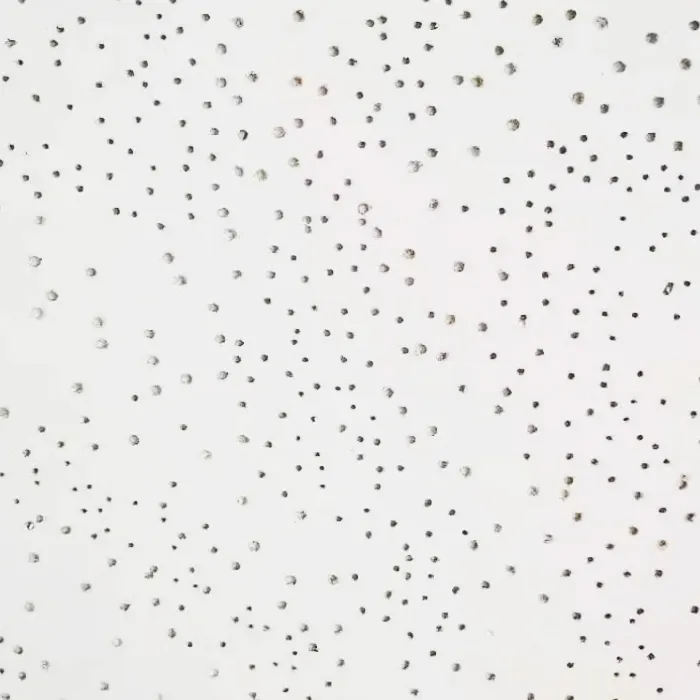
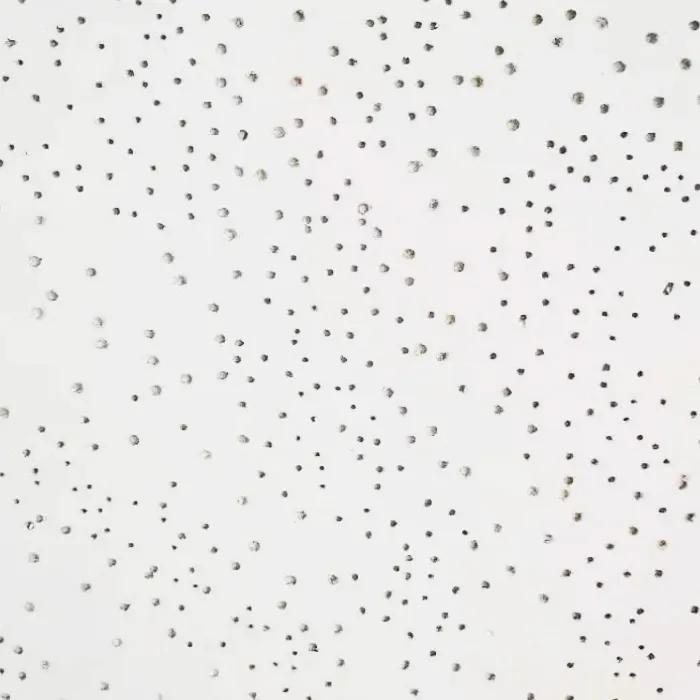
From the Hebei-based line at North of Xiangqiu village, North Zhaozhuang Industrial Zone, Jinzhou City, the High quality Mineral Fiber Ceiling Tiles are the ones I’ve seen specified a lot lately.
| Attribute | Spec (≈, real-world use may vary) |
|---|---|
| Standard sizes | 600×600, 603×603, 603×1212, 605×1215, 610×1220 mm; custom available |
| Thickness | 6–20 mm (common: 8, 10, 12, 14, 15 mm) |
| Density | ≈280–320 kg/m³ |
| NRC (ISO 354/ASTM C423) | ≈0.55–0.75 depending on pattern and backing |
| CAC (ASTM E1414/E413) | ≈32–38 dB |
| Light reflectance | ≥0.85 (white) |
| Fire | ASTM E84 Class A; EN 13501-1 target A2-s1,d0 (project testing) |
| Humidity/Sag | RH95; sag per ASTM C367 |
| Edges | Square, Tegular, Microlook; custom grid fit |
| Certifications | EN 13964 system compliance; low-VOC per ISO 16000/CDPH v1.2 |
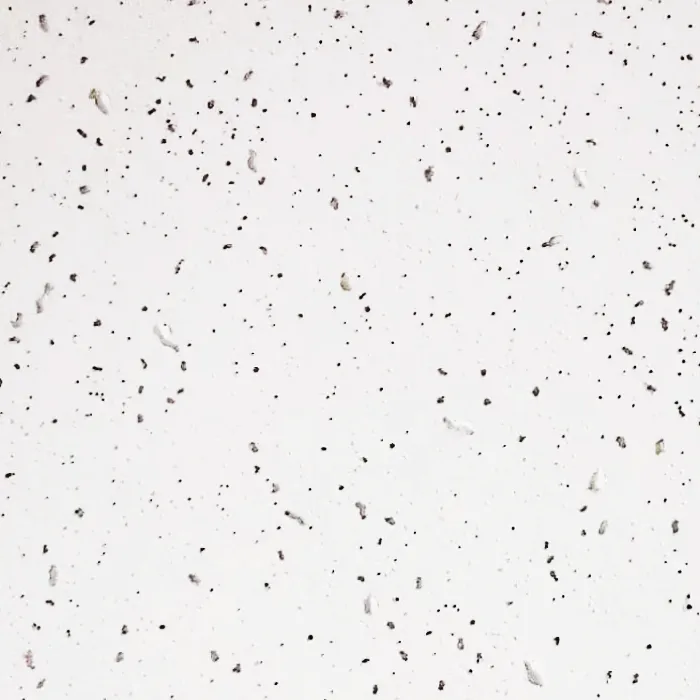
How it’s made (quick process flow)
- Materials: mineral wool, perlite, starch/organic binders, recycled fiber, water, paint coating.
- Wet-forming and felting: slurry laid and dewatered to controlled density.
- Curing: thermal set for dimensional stability and strength.
- Finishing: embossing, edge cutting, sealing coats, top paint (often high LR).
- Testing: NRC (ISO 354/ASTM C423), fire (ASTM E84/EN 13501-1), sag (ASTM C367), VOC (ISO 16000/CDPH).
Service life is commonly 15–25 years with normal maintenance. Many customers say the repaint cycles are longer than expected because the coating holds up surprisingly well.
Applications and advantages
- Offices and call centers: speech privacy and glare control.
- Healthcare/education: clean look, Class A fire, easy replacement tiles.
- Retail/hospitality: cost-effective acoustics with decent CAC.
- Transit/public buildings: quick install, flexible access to MEP above.
mineral fiber board stands out for cost-to-performance ratio, fast availability, and compatibility with standard T-grids. Not the only solution—sure—but a very practical one.
Customization
Sizes (600×600 up to 610×1220 mm), thickness 6–20 mm, edges, perforation style, grid fit, color (popular: matte white), and packaging can all be tailored. For projects chasing higher NRC, ask for backer fleece and deeper surface texture on mineral fiber board.
Vendor snapshot (quick comparison)
| Vendor | Strengths | Lead Time | Certs | Notes |
|---|---|---|---|---|
| Xingyuan (Hebei) | Custom sizes/edges; balanced NRC/CAC; competitive pricing | ≈2–4 weeks | EN 13964, ASTM, ISO VOC | Factory near Jinzhou City; flexible MOQs |
| Multinational A | Broad portfolio; strong brand programs | ≈3–6 weeks | Global listings | Higher price band |
| Regional B | Fast local service; standard SKUs | ≈1–3 weeks | Core tests | Limited customization |
Field notes and mini case studies
- Corporate HQ: swapped to mineral fiber board with NRC ≈0.70; open office RT60 dropped by ≈0.3 s. Team said calls felt “less echoey.”
- Clinic refresh: Class A fire plus LR 0.86 lifted ambient brightness; staff noticed fewer “dark corners.”
- Library reading room: CAC ≈36 dB helped tame stack-to-room sound spill. Patrons commented it felt calmer.
What to ask before you buy
- Target NRC/CAC and grid type; edge detail (Tegular vs Square).
- Humidity conditions (RH95 areas?) and maintenance plan.
- Submittals: ISO 354/ASTM C423 reports, E84/EN13501-1, VOC per CDPH.
Citations
- ASTM E1264 – Classification for Acoustical Ceiling Products.
- ASTM E84 – Standard Test Method for Surface Burning Characteristics of Building Materials.
- ISO 354 – Measurement of sound absorption in a reverberation room.
- EN 13964 – Suspended ceilings: Requirements and test methods.
- CDPH Standard Method v1.2 – VOC emissions testing for building products.
-
Benefits and Guide of Mineral Fiber Ceiling Board for InteriorsNewsApr.16,2026
-
Modern Mineral Fiber Ceiling Solutions for Acoustic PerformanceNewsApr.09,2026
-
Mineral Fibre Board Ceiling vs Gypsum Board A Comprehensive Comparison GuideNewsApr.07,2026
-
Comprehensive Guide to Mineral Fiber Ceiling Specification and PerformanceNewsApr.04,2026
-
What Are Mineral Fiber Ceiling Tiles Made Of And Their ApplicationsNewsMar.31,2026
-
Exploring the Benefits of Suspended Mineral Fibre Ceiling Systems for Modern BuildingsNewsMar.28,2026