
Oct . 10, 2025 09:30 Back to list
Mineral Fiber Board: Acoustic, Fire-Rated Ceilings—Why Us?
Field Notes on a Ceiling Workhorse: mineral fiber board
This product category isn’t flashy, but it quietly fixes a lot of problems—noise, fire safety, light reflectance. Lately, demand has ticked up as designers chase better acoustics without breaking budgets. To be honest, the market’s crowded; however, the High quality Mineral Fiber Ceiling Tiles from Hebei’s Jinzhou City have been showing up in spec lists I see across education and healthcare. Many customers say the install feels straightforward, and that matters on a tight schedule.

Quick Technical Snapshot
| Sizes | 600×600, 603×603, 603×1212, 605×1215, 610×1220 mm (customizable) |
| Thickness | 6–20 mm (common: 6/7/8/9/10/12/14/15/16/18/20 mm) |
| Acoustics | NRC ≈ 0.55–0.75 (ISO 354; real-world use may vary), CAC ≈ 30–35 dB |
| Fire | Class A (ASTM E84), A2-s1,d0 trend under EN 13501-1 (typical for category) |
| Moisture | RH ≤ 95% (interior use) |
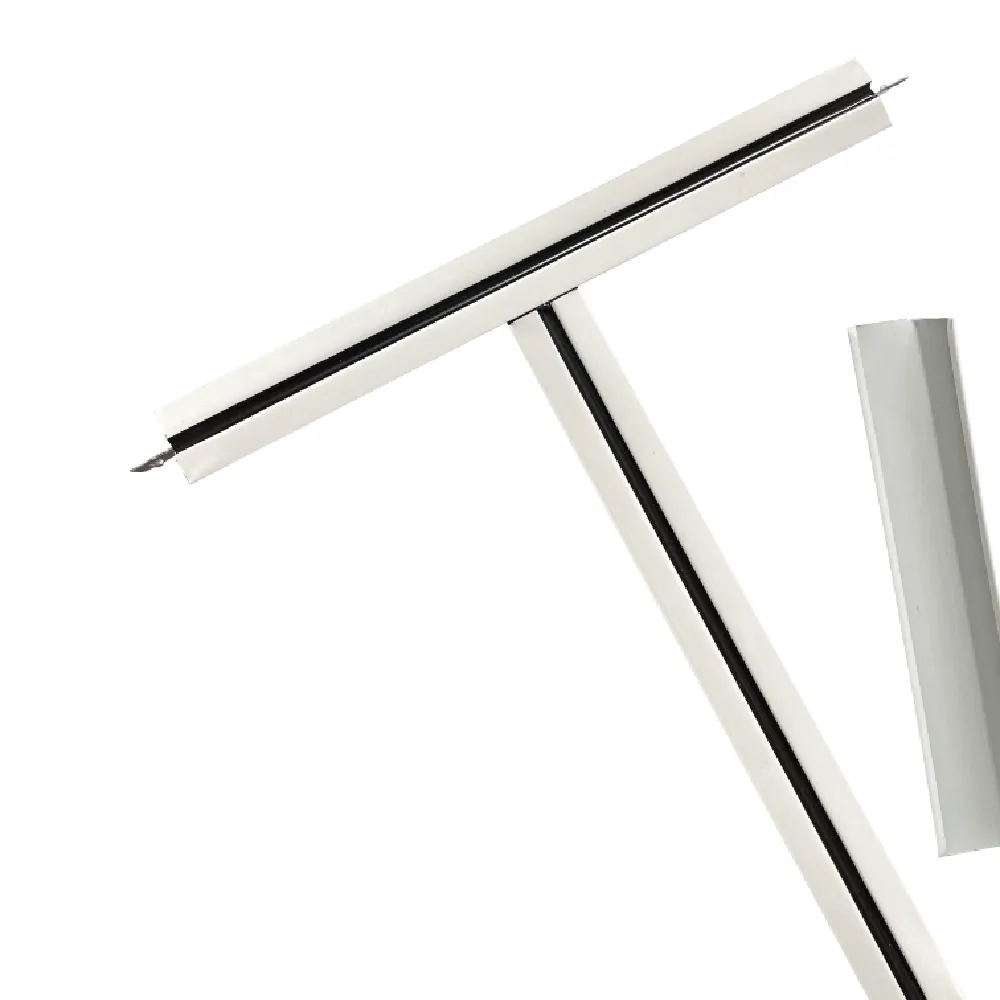
| Edges / Grid | Square/Tegular; T24/T15 grids; ceiling grid can be customized |
| Origin | North of Xiangqiu village, North Zhaozhuang Industrial Zone, Jinzhou City, Hebei |

What’s inside and how it’s made
Materials: mineral wool, perlite, clay, recycled cellulose, starch/latex binders; water-based coatings. Methods: pulping and blending, wet-forming, felting, pressing, kiln-drying, cutting, edge profiling, surface finishing, and low-VOC painting. Testing gates: density and moisture checks, dimensional stability (EN 13964), acoustics (ISO 354), fire (ASTM E84), and surface adhesion. Expected service life: around 10–15+ years with normal building conditions.
Where it works best
- Offices and call centers seeking NRC bumps without budget creep
- Schools and universities—corridors, libraries, lecture rooms
- Clinics and hospitals needing cleanable, low-glare finishes
- Retail, transit lounges, and back-of-house areas
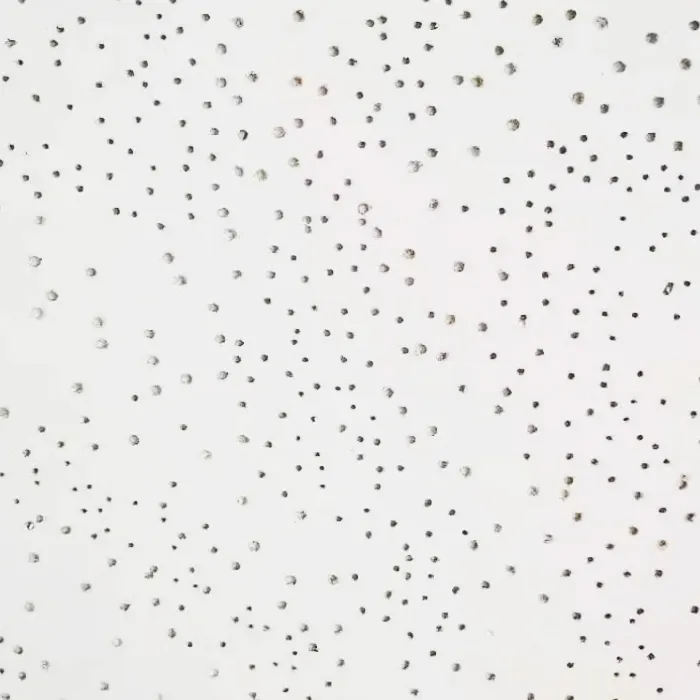
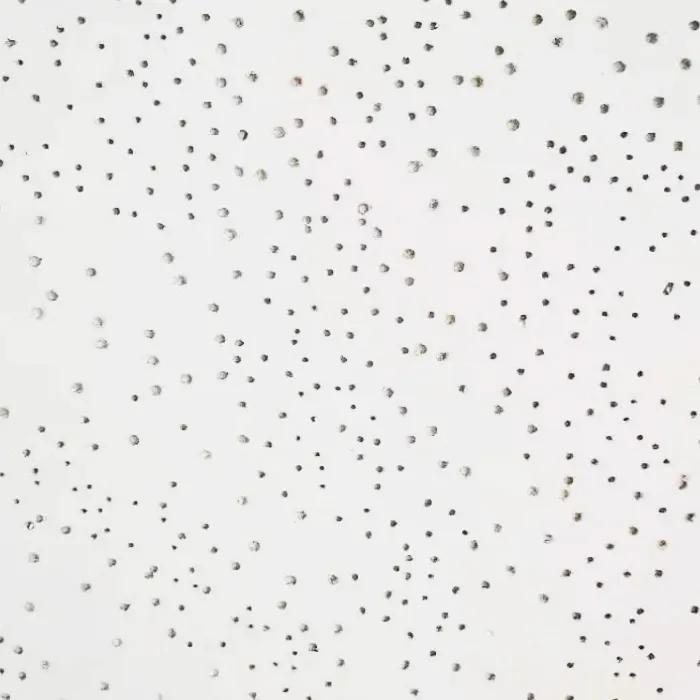
Advantages I keep hearing: fast install, easy replacement, consistent white point, and predictable acoustics. Surprisingly, even with mineral fiber board you can get nuanced textures nowadays—fissured, sand, micro-perf—it’s not just “office ceiling white.”

Customization
mineral fiber board sizing can follow legacy grids or bespoke modules; edges (square/tegular), face patterns, and paint reflectance can be tuned. Grid compatibility is important—confirm T24 or T15 early to avoid site swaps.
Vendor landscape (my short list)
| Vendor | Typical NRC | Fire Rating | Customization | Notes |
|---|---|---|---|---|
| Xingyuan Ceilings (Hebei) | ≈0.55–0.75 | ASTM E84 Class A | Sizes, edges, grids | Good value; reliable lead times |
| Regional Brand M | ≈0.60–0.70 | Class A | Patterns, edges | Strong distribution |
| Value Import Line | ≈0.50–0.60 | Class A | Limited | Budget-first; verify QA |
Real-world notes
- Case A: Community clinic retrofit—RT dropped ~0.3 s; speech clarity improved. Staff comment: “Phones stopped echoing.”
- Case B: University library—mix of mineral fiber board and baffles; achieved target NRC 0.70 zones near study areas.
Certifications commonly requested: ISO 9001/14001 for system assurance; product-level tests: ISO 354 (NRC), ASTM E84 (surface burning), EN 13964 (suspension systems performance).
Procurement tips
- Ask for recent test reports (within 2 years) and density/moisture data.
- Confirm grid size, edge type, and attic conditions (humidity, MEP access).
- Sample panels under project lighting; whiteness and texture shift by room.
If you need a fast, dependable ceiling, these mineral fiber board tiles are a solid baseline—and easy to swap as spaces evolve.
References
- ASTM E84 – Standard Test Method for Surface Burning Characteristics of Building Materials.
- EN 13964:2014 – Suspended ceilings: Requirements and test methods.
- ISO 354:2003 – Acoustics — Measurement of sound absorption in a reverberation room.
- ASTM E1414 / E413 – Ceiling Attenuation Class (CAC) determination.
-
Benefits and Guide of Mineral Fiber Ceiling Board for InteriorsNewsApr.16,2026
-
Modern Mineral Fiber Ceiling Solutions for Acoustic PerformanceNewsApr.09,2026
-
Mineral Fibre Board Ceiling vs Gypsum Board A Comprehensive Comparison GuideNewsApr.07,2026
-
Comprehensive Guide to Mineral Fiber Ceiling Specification and PerformanceNewsApr.04,2026
-
What Are Mineral Fiber Ceiling Tiles Made Of And Their ApplicationsNewsMar.31,2026
-
Exploring the Benefits of Suspended Mineral Fibre Ceiling Systems for Modern BuildingsNewsMar.28,2026