
Oct . 01, 2025 14:05 Back to list
Mineral Fiber Board: Acoustic, Fire-Safe, Eco—Why Choose?
mineral fiber board: an insider’s briefing from the jobsite to the spec sheet
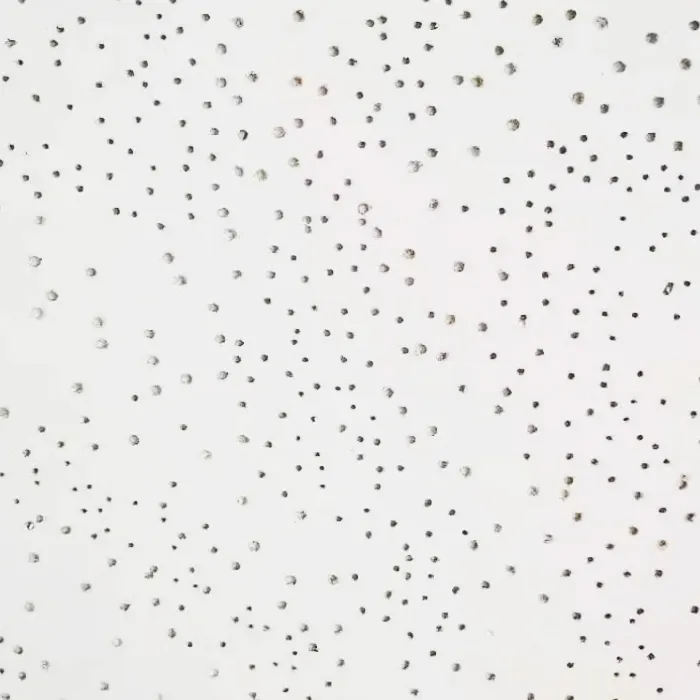
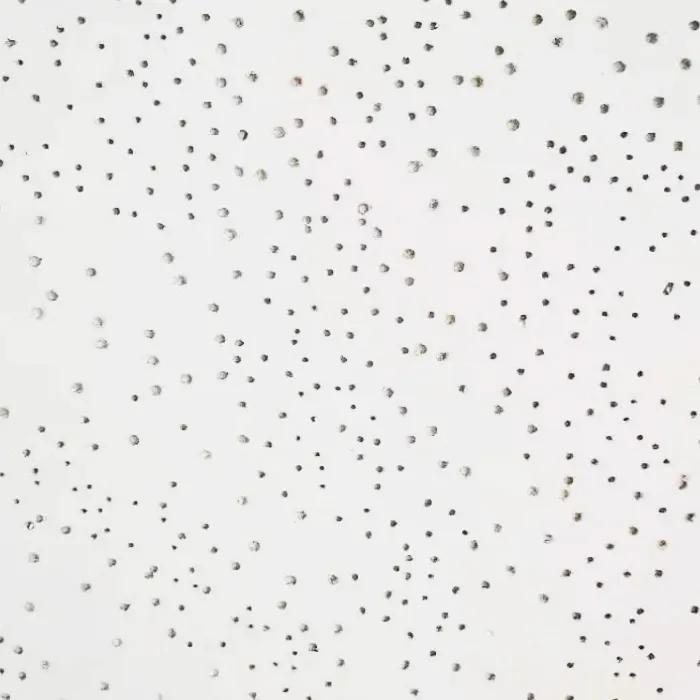
If you’ve walked under a crisp, quiet ceiling in a hospital ward or a start-up’s open office, chances are you’ve met the humble mineral fiber board. It’s not flashy. But this category keeps evolving—better acoustics, tighter tolerances, fewer VOCs. In fact, the Hebei-built High quality Mineral Fiber Ceiling Tiles coming out of North Zhaozhuang Industrial Zone (north of Xiangqiu village, Jinzhou City) have been making a lot of noise lately—ironically, by absorbing it.

What’s trending in 2025
- Acoustics that do more with less: thinner tiles targeting NRC ≈0.70 without sky-high density.
- Low-emissions binders and paints; some buyers now ask for GREENGUARD Gold or equivalent.
- Custom sizes for retrofit grids—because not all buildings read the manual.
- Moisture resistance tuned for 85–95% RH zones and sag-resistance testing as a default.
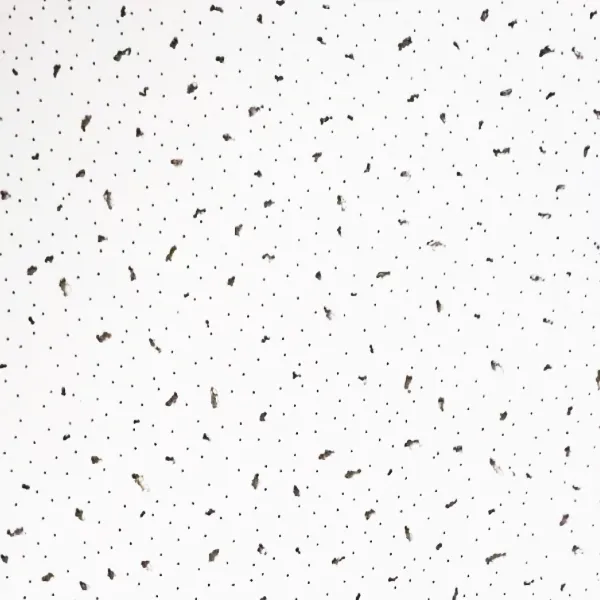
Specs at a glance (real-world use may vary)
| Parameter | Typical value |
|---|---|
| Nominal sizes | 600×600, 603×603, 603×1212, 605×1215, 610×1220 mm; custom grids available |
| Thickness options | 6–20 mm (common: 6, 7, 8, 9, 10, 12, 14, 15, 16, 18, 20 mm) |
| Density | ≈220–320 kg/m³ |
| NRC (ASTM C423/ISO 354) | ≈0.55–0.85 depending on thickness and perforation |
| CAC (speech privacy) | ≈30–40 dB |
| Fire | ASTM E84 Class A; EN 13501-1 B-s1,d0 (when specified) |
| Humidity/sag | Up to 95% RH; sag resistance tested per ASTM C367 |
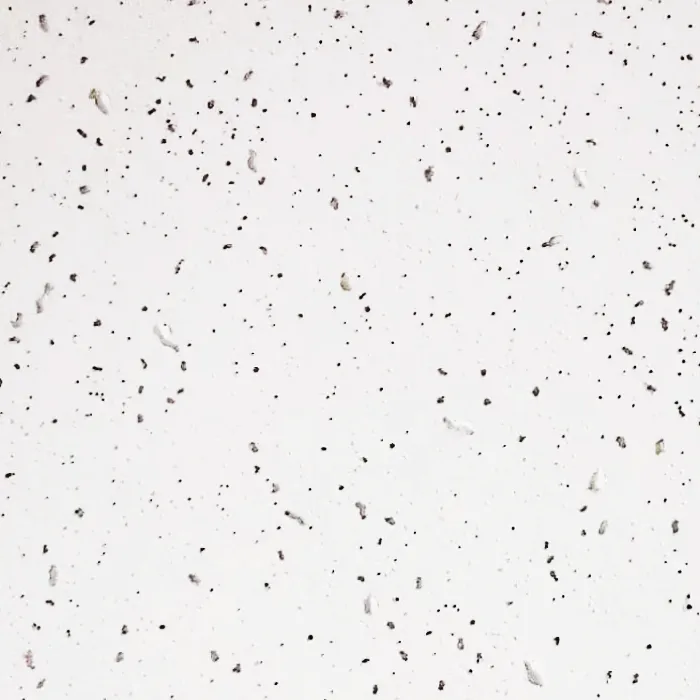
| Edges/finish | Square/Tegular; fissured, microperforated, sand-textured coatings |
| Service life | ≈10–20 years with normal O&M |
How it’s made (short version)
Materials: mineral wool, perlite, recycled cellulose, starch/latex binders, water-repellent additives, and low-VOC paints. Process: wet-forming slurry → felting and dewatering → pressing/calendering → kiln drying → trimming and edge profiling → surface coating (sometimes micro-perf) → curing. QA checks usually include density, thickness tolerance, dimensional stability, color ΔE, RH cycling, and surface burning (ASTM E84). To be honest, the better lines now log every batch; traceability is becoming a selling point.
Where it works best
Open-plan offices, classrooms, clinics, retail, libraries, transport hubs, even light-industrial lobbies—anywhere you need speech clarity without harsh reverberation. Many customers say the sweet spot is 12–15 mm tiles for mixed-use offices: decent NRC without maxing out budget or weight.
Vendor snapshot (quick comparison)
| Vendor | Custom sizes | Lead time | Approx. price/m² | Certs | Notes |
|---|---|---|---|---|---|
| Xingyuan Ceilings (Hebei) | Yes (grid-matched) | ≈2–4 weeks | $—$$ | ISO 9001/14001; ASTM/EN test reports | Origin: North Zhaozhuang Industrial Zone, Jinzhou |
| Global Brand A | Limited | ≈4–8 weeks | $$$ | Broad global listings | Premium finishes, higher cost |
| Regional Maker B | Yes | ≈3–5 weeks | $$ | Selective | Value choice; check acoustic data |
Compliance and testing
Look for ASTM E84 (surface burning), ASTM C423 or ISO 354 (NRC), EN 13964 (suspended ceilings), and when needed, EN 13501-1 fire classification. I guess it’s obvious, but ask for third-party reports—don’t rely on brochure claims.
Mini case files
Healthcare clinic, coastal city: 12 mm mineral fiber board, NRC ≈0.70, fitted in wet recovery rooms; 18 months in, no visible sag; staff report clearer speech in triage. Municipal library retrofit: 603×1212 mm tiles to match an odd grid; after commissioning, reverberation time dropped from ~1.3 s to 0.7 s in reading zones—quiet matters.
Buyer’s checklist
- Confirm grid size and edge (square vs tegular).
- Match NRC/CAC to use-case; don’t over-spec.
- Ask for RH/sag data and paint scrub resistance.
- Request emissions declaration (e.g., low VOC).
Citations
- ASTM E84 Standard Test Method for Surface Burning Characteristics of Building Materials
- ASTM C423 Standard Test Method for Sound Absorption and Sound Absorption Coefficients
- EN 13964 Suspended Ceilings — Requirements and Test Methods (BSI)
- ISO 354 Acoustics — Measurement of Sound Absorption in a Reverberation Room
-
Benefits and Guide of Mineral Fiber Ceiling Board for InteriorsNewsApr.16,2026
-
Modern Mineral Fiber Ceiling Solutions for Acoustic PerformanceNewsApr.09,2026
-
Mineral Fibre Board Ceiling vs Gypsum Board A Comprehensive Comparison GuideNewsApr.07,2026
-
Comprehensive Guide to Mineral Fiber Ceiling Specification and PerformanceNewsApr.04,2026
-
What Are Mineral Fiber Ceiling Tiles Made Of And Their ApplicationsNewsMar.31,2026
-
Exploring the Benefits of Suspended Mineral Fibre Ceiling Systems for Modern BuildingsNewsMar.28,2026