
Dec . 03, 2025 13:06 Back to list
Recessed Ceiling Grid for Commercial & Industrial Use | Xingyuan Ceilings
Recessed Ceiling Grid is a key solution in the industry, specifically within commercial and industrial construction sectors. This article explores how https://www.xingyuanceilings.com supports professionals with durable, high-performance products, and explains why this product is an ideal choice for businesses in these sectors.
Table of Contents
- Recessed Ceiling Grid Overview
- Benefits & Use Cases of Recessed Ceiling Grid
- Cost, Maintenance & User Experience
- Sustainability & Market Trends
- Frequently Asked Questions
- Conclusion on Recessed Ceiling Grid from China
Recessed Ceiling Grid Overview
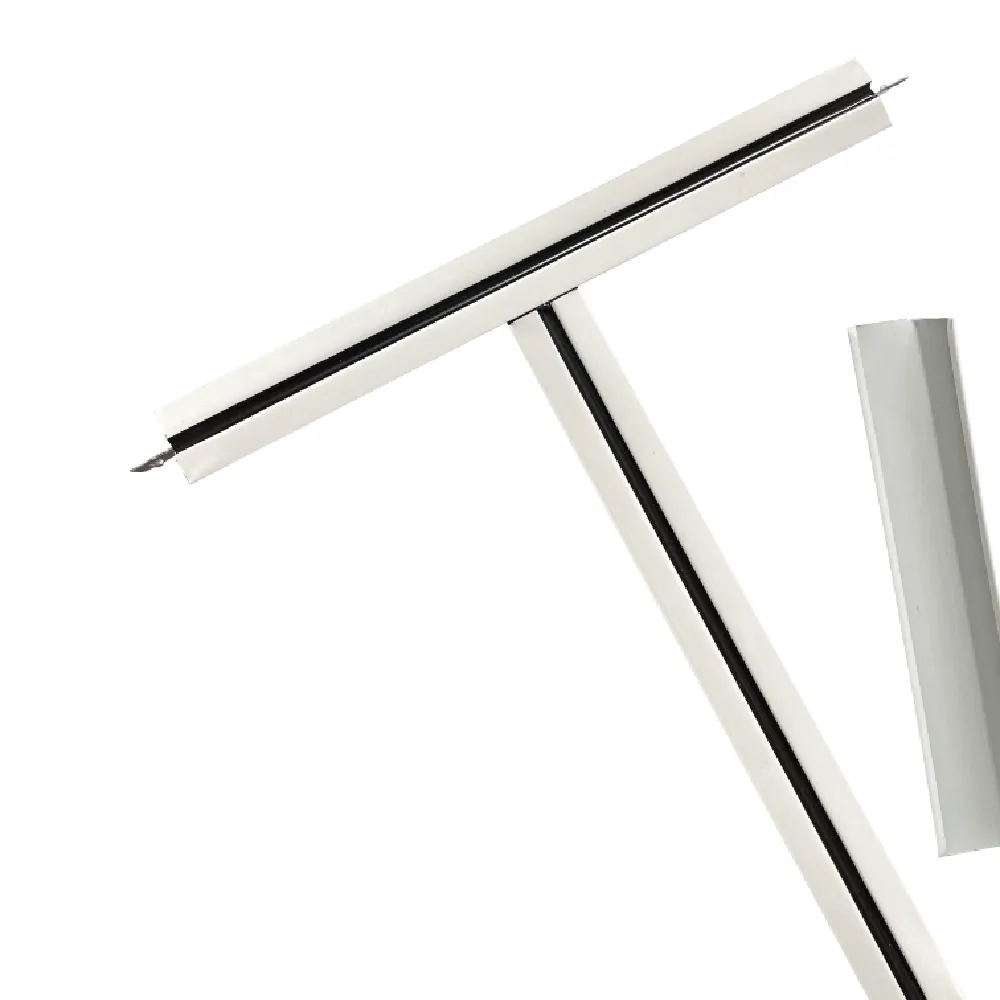
When you break it down, a recessed ceiling grid is essentially a framework installed flush with the surface of a ceiling, designed to support ceiling tiles, lighting, and other fixtures discreetly. It’s quite crucial to modern construction — especially in commercial and industrial buildings — because it integrates aesthetics with functionality. Rather than bulky grids that hang noticeably below the ceiling line, recessed designs blend seamlessly, giving a neat, clean look that’s much appreciated in offices, hospitals, and retail environments.
Technically, these ceiling grids are often made from galvanised steel or aluminum, ensuring they are both lightweight and strong. Xingyuan Ceilings, for instance, offers recessed grids with precise engineering tolerances, typically in 15mm to 24mm flange widths, meeting various load specifications. Case studies in healthcare facilities show that these recessed grids improve airflow while maintaining ceiling integrity — which frankly makes a huge difference when you consider ongoing maintenance costs.
| Feature | Description |
|---|---|
| Material | Galvanised Steel / Aluminum Alloy |
| Flange Width | 15mm, 20mm, 24mm options |
| Load Capacity | Up to 30kg/m² |
| Finish | Powder Coating / Anodized |
| Length | Up to 6000mm |
Benefits & Use Cases of Recessed Ceiling Grid
The obvious perks of recessed ceiling grids are their sleek integration and durability. Many facility managers tell me they appreciate how these grids can hold heavier lighting or HVAC components without sagging or warping, which isn’t always guaranteed with older systems. This makes them popular in places like airports and data centers, where safety and reliability aren't just preferences, they're must-haves.
Plus, recessed grids are easier to clean and maintain — something that you might overlook until your maintenance team points it out. They don’t trap dust or debris as much as traditional ceiling grids do, which might sound trivial but in healthcare or food production facilities, hygiene standards make all the difference.
Comparing Leading Recessed Ceiling Grid Vendors
| Vendor | Material Quality | Customization | Lead Time | Price Range |
|---|---|---|---|---|
| Xingyuan Ceilings | High-grade galvanized steel & aluminum | Yes, tailored lengths and finishes | 2-4 weeks | Mid-range |
| Vendor B | Standard steel, limited alloy options | Limited customization | 4-6 weeks | Budget |
| Vendor C | Premium alloys, anodized finishes | Highly customizable | 1-3 weeks | Premium |
Cost, Maintenance & User Experience
Let’s face it, when decision makers look at ceiling grids, they weigh total cost of ownership, not just sticker price. Recessed ceiling grids from a supplier like Xingyuan tend to offer excellent durability — corrosion-resistant coatings and robust frame design mean fewer replacements and repairs over time. From my conversations with project managers, savings come not only from reduced maintenance but also from faster installation times due to pre-machined holes and consistent dimensions.
Interestingly, user feedback often highlights the aesthetic upgrade once recessed grids are installed. End-users often notice the improved lighting dispersion and the absence of visual clutter, which frankly contributes to a better working environment. One healthcare client shared that patient satisfaction improved partly because ceilings looked “less institutional and more calming.”
Sustainability & Market Trends
Sustainability is no longer optional — it’s a must in building materials. Recessed ceiling grids today are often manufactured from recycled aluminum or steel, which drastically cuts their environmental impact. Xingyuan Ceilings, for instance, aligns with green certifications and uses production methods that minimize waste. Oddly enough, market data shows industry growth particularly in regions with strong environmental regulations, suggesting that demand for sustainable ceiling solutions is rising fast.
Plus, modular construction trends are pushing the ceiling grid market toward more flexible, easy-to-install products — recessed designs fit right in because they save time on site and reduce packaging waste. In real terms, this means clients save money and reduce project carbon footprints, which is a kind of win-win.
Frequently Asked Questions about Recessed Ceiling Grid
- What is Recessed Ceiling Grid and how does it work?
- A recessed ceiling grid is a framing system installed flush with the ceiling surface to hold tiles and fixtures securely. It works by providing structural support while being visually minimal — this means lights, vents, or panels look like they’re part of the ceiling rather than attached underneath.
- What are the main benefits of using Recessed Ceiling Grid in industrial applications?
- Key benefits include enhanced durability, aesthetic appeal, and easier maintenance due to less dust accumulation. They also support heavier loads, which is critical in industrial environments where lighting and HVAC systems demand robust frameworks.
- How does Recessed Ceiling Grid compare to traditional alternatives?
- Compared to conventional ceiling grids, recessed grids offer a sleeker look, often better material quality, and improved installation flexibility. Technological advances mean they can tolerate heavier loading and tend to last longer, providing better ROI.
- What industries can benefit most from Recessed Ceiling Grid implementation?
- Commercial offices, hospitals, airports, and manufacturing plants are prime beneficiaries. For example, hospitals value their hygienic advantage while airports leverage their strength and clean aesthetics for heavy foot traffic zones.
Conclusion on Recessed Ceiling Grid from China
In summary, recessed ceiling grids are a smart choice for B2B decision makers looking to invest in efficient, durable, and aesthetically pleasing ceiling solutions. Chinese manufacturers like Xingyuan Ceilings have really raised the bar by combining quality, customization, and sustainability in their ranges. For anyone managing commercial projects or industrial facilities, this product is worth a close look.
- Recap the value of Recessed Ceiling Grid.
- - Visit our website: https://www.xingyuanceilings.com
It’s always fascinating how such a seemingly small detail like a recessed ceiling grid can influence everything from aesthetics to maintenance savings. As regulations and preferences evolve, keeping up with reliable suppliers is crucial.
References:
1. Industry reports on commercial construction trends, 2023.
2. Customer case studies from Xingyuan Ceilings, 2023.
3. Sustainability certifications and building codes updates, 2023.
-
Benefits and Guide of Mineral Fiber Ceiling Board for InteriorsNewsApr.16,2026
-
Modern Mineral Fiber Ceiling Solutions for Acoustic PerformanceNewsApr.09,2026
-
Mineral Fibre Board Ceiling vs Gypsum Board A Comprehensive Comparison GuideNewsApr.07,2026
-
Comprehensive Guide to Mineral Fiber Ceiling Specification and PerformanceNewsApr.04,2026
-
What Are Mineral Fiber Ceiling Tiles Made Of And Their ApplicationsNewsMar.31,2026
-
Exploring the Benefits of Suspended Mineral Fibre Ceiling Systems for Modern BuildingsNewsMar.28,2026