
Nov . 13, 2025 00:30 Back to list
Reliable T Runner Solutions for Ceilings | Industrial Grade Quality
Why the t runner for ceiling still matters in modern construction
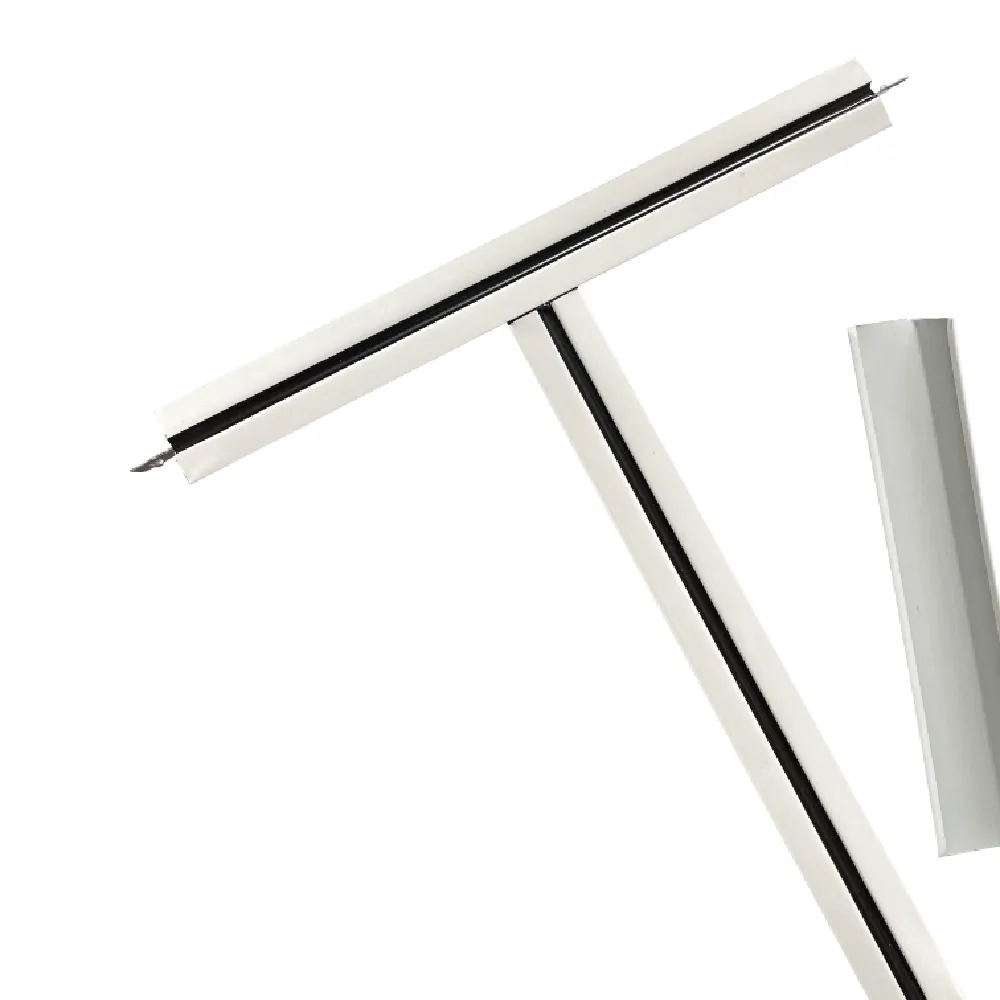
Having spent years in the industrial equipment sector, I’ve had my fair share of debates about ceiling components — and t runner for ceiling remains one of those quietly essential parts that hardly gets the spotlight it deserves. You might think a ceiling is “just a ceiling,” but the framework beneath it quite literally holds everything together. And among the choices, t runners are the backbone of suspended ceilings, especially in commercial and industrial buildings.
Oddly enough, when you walk into a big conference hall or a clean lab, the ceiling grid isn’t just there for looks. It’s a carefully engineered system designed to withstand years of abuse — temperature changes, vibration, even the occasional unexpected impact. The t runner's unique T-shaped profile offers a smart way to slot panels firmly without fuss, and as a bonus, it handles load distribution well.
What makes a good t runner for ceiling?
In a nutshell, these runners need to combine strength with lightweight convenience. Most professional installers I know prefer aluminum runners—why? Because they offer corrosion resistance and are easier to handle on-site. Steel comes in thicker grades for those industrial applications that demand a serious backbone under heavy fixtures. The finish matters too—powder coated, galvanized, or painted surfaces all serve different environmental needs.
One time on a retrofit project, we had to replace old corroded runners in a hospital ceiling. The hospital had strict hygiene requirements, so the aluminum t runner we picked had to meet very specific standards to avoid rust and facilitate cleaning. Frankly, finding the right profile that precisely matched the old grid was a relief because it meant less modification on-site and faster completion time.
Key product specifications at a glance
| Specification | Value |
|---|---|
| Material | Aluminum Alloy 6063-T5 / Hot-Dipped Galvanized Steel |
| Length | 3660 mm (Standard) / Custom Lengths Available |
| Cross-section Width | 24 mm / 35 mm (varies by model) |
| Surface Finish | Powder Coated / Galvanized / Anodized |
| Load Capacity | Up to 50 kg per linear meter |
| Installation Method | Drop ceiling grid with clip-in panels |
Choosing the right vendor for ceiling t runners: a quick comparison
Now, talking about suppliers — it’s always a bit of a jungle out there. You want to avoid surprises like inconsistent batch quality or delivery delays. Below is a rough comparison from my experience working with a handful of industry players. Note: these aren’t endorsements, just my observations from job sites and trade shows.
| Vendor | Material Options | Customization | Lead Time | Price Range |
|---|---|---|---|---|
| Xingyuan Ceilings | Aluminum, Galv. Steel | Full custom profiles & finishes | 2-4 weeks | Mid-range |
| Global Ceiling Components | Steel only | Limited customization | 3-6 weeks | Budget |
| Metro Metals | Aluminum only | Standard profiles | 1-2 weeks | Premium |
A quick note on installation and real-world use
In real-world installations, I’ve noticed that the tiniest things make all the difference: screw hole alignment, clip tightness, even the finish's smoothness affecting panel swapping later on. One slightly misaligned runner and suddenly you’ve got uneven tiles — and funny as it sounds, end users notice that more than architects do.
Also, I’d suggest always checking compatibility if you’re working on a renovation. Ceiling systems evolve, and legacy grids rarely match modern components exactly. Getting your t runner for ceiling right upfront saves headaches down the line. Plus, most manufacturers now offer custom lengths and perforated options for acoustic control, which might feel like overkill, but trust me, the end user will thank you.
To wrap this up, while the t runner might appear humble, it’s pretty much the unsung hero behind our everyday spaces—keeping ceilings neat, functional, and yes, safe too. So next time you glance up indoors, spare a thought for that little T-shaped metal piece holding it all up.
- Alex M., Industrial Equipment Specialist
References & further reading
- American Society for Testing and Materials (ASTM) Standards for Ceiling Components, 2023
- Industrial Ceiling Systems, 5th Edition – Wiley Publishers, 2021
- Xingyuan Ceilings Product Catalog and Technical Sheets, 2024
-
Benefits and Guide of Mineral Fiber Ceiling Board for InteriorsNewsApr.16,2026
-
Modern Mineral Fiber Ceiling Solutions for Acoustic PerformanceNewsApr.09,2026
-
Mineral Fibre Board Ceiling vs Gypsum Board A Comprehensive Comparison GuideNewsApr.07,2026
-
Comprehensive Guide to Mineral Fiber Ceiling Specification and PerformanceNewsApr.04,2026
-
What Are Mineral Fiber Ceiling Tiles Made Of And Their ApplicationsNewsMar.31,2026
-
Exploring the Benefits of Suspended Mineral Fibre Ceiling Systems for Modern BuildingsNewsMar.28,2026