
Nov . 26, 2025 14:00 Back to list
Reliable Waterproof Tile Access Panels for Durable Construction | Comprehensive Guide
The Growing Need for Waterproof Tile Access Panels in Today’s World
At first glance, a waterproof tile access panel might sound like just another mundane building component. But look closer, and you realize it addresses a surprisingly global challenge: creating durable, discreet, and moisture-resistant access points in wet environments. From bustling urban developments to critical infrastructure projects worldwide, these panels play a quietly pivotal role in maintenance, safety, and aesthetic integrity.
Why should any of us care? Well, globally, water damage and moisture intrusion in buildings cause billions in repair costs each year. According to ISO standards on waterproofing, even minor leaks can spiral into severe structural issues. So, understanding the right kind of access panel—one that blends waterproofing with style—is more than just technical jargon; it’s about protecting investments and ensuring long-term performance.
Before we dive deeper, if you’re curious or need such solutions, check out this waterproof tile access panel resource to see how these products are evolving to meet demanding requirements.
What is a Waterproof Tile Access Panel, Anyway?
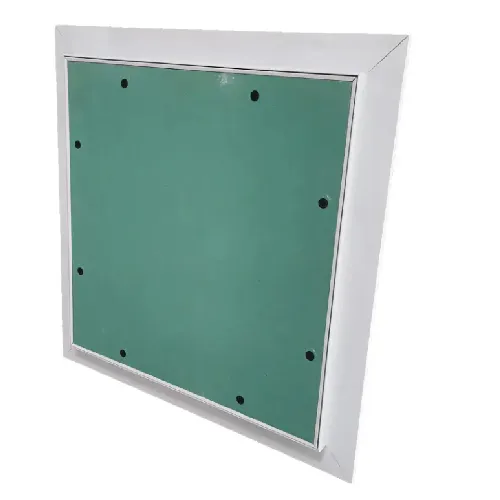
Simply put, a waterproof tile access panel is an access door or hatch integrated into tiled surfaces, designed to provide entry to plumbing, electrical, or other utility components while preventing water from leaking through. Unlike traditional metal or plastic access panels, these are made with waterproof frames and sealing materials, allowing tiles to be embedded directly on their face, ensuring the panel blends seamlessly and remains water-resistant.
In modern construction—especially bathrooms, kitchens, swimming pools, and even outdoor settings—access panels must not only offer functional access but also withstand moisture exposure without degrading or causing mold issues. As buildings become more complex, particularly in humanitarian efforts (think sustainable refugee camp facilities or disaster-proof housing), having reliable, hidden, and waterproof points of entry makes a massive difference.
Key Features That Make These Panels Stand Out
- Durability: Typically constructed with stainless steel or high-grade aluminum frames combined with waterproof seals.
- Tile Integration: The front face accepts standard tile installation, creating a flush, clutter-free look.
- Watertight Sealing: Advanced rubber gaskets or silicone-based seals avoid water penetration, critical for wet zones.
- Load-bearing Capacity: Many panels support foot traffic or light equipment handling—important in commercial or public spaces.
- Ease of Access: Designed for quick removal and replacement without damaging the surrounding tile work.
- Customizable Sizes: Ranges from small inspection hatches to larger service panel covers.
Notice how these features aren’t just technical specs; they respond directly to everyday challenges faced by installers, technicians, and building owners alike.
Where Are Waterproof Tile Access Panels Making an Impact Globally?
Oddly enough, their footprints are everywhere—though you may not spot them at first! Europe’s strict building codes demand these panels for public swimming pools and spas. In the Middle East, they’re becoming crucial in luxury hotel bathrooms, where water resistance meets design elegance. And in Southeast Asia, rising humidity and monsoon seasons make them a must-have for reliable infrastructure.
On top of that, international aid agencies use these panels in modular housing for disaster-struck areas. For example, shelters with built-in waterproof tile access panels enable quick repairs without compromising the structure’s integrity or the occupants’ comfort.
Industries such as healthcare and pharmaceuticals also rely heavily on these panels, ensuring sanitary, waterproof environments that meet rigorous hygiene standards.
Mini takeaway:
The broadening scope of waterproof tile access panels reflects how global trends—climate change, urban density, hygiene regulations—are shaping building technologies in practical, nuanced ways.
Specifications You Should Know Before Choosing a Waterproof Tile Access Panel
| Specification | Typical Range / Feature | Benefit |
|---|---|---|
| Material | Stainless steel or anodized aluminum frame | Corrosion resistance & longevity |
| Waterproof Rating | IP65 to IP67 | Protects against jets of water and temporary immersion |
| Load Capacity | Up to 300 kg (foot traffic rated) | Safe for use in commercial spaces |
| Panel Size Options | 100x100 mm to 600x600 mm or custom | Accommodates various inspection needs |
| Seal Type | Silicone gasket or EPDM rubber | Long-lasting waterproof seal |
Quick Vendor Comparison Guide
| Vendor | Product Range | Customization | Typical Lead Time | Price Range |
|---|---|---|---|---|
| PanelPro Solutions | 100+ models, various sizes | High – tiles, colors, sizes | 2–3 weeks | $$$ |
| WaterGuard Access | Standard sizes only | Limited | 1 week | $ |
| Duraseal Panels | Custom orders only | Full | 3–4 weeks | $$$$ |
Looking Ahead: Trends Shaping Waterproof Tile Access Panels
Innovation in this niche isn’t headline-grabbing but it’s definitely happening. From ultra-lightweight composite frames to integrating sensor technology that alerts to moisture breaches, the future looks promising. Sustainability is driving demand for recyclable materials and low-impact manufacturing.
Digital transformation also plays a role—imagine panels with QR codes or embedded NFC chips linking maintenance staff directly to system data or repair manuals. It’s still emerging, but honestly, it shows how even small building components can leap forward in a smart building ecosystem.
Challenges and How the Industry is Adapting
Not everything's perfect. One common issue is tiles cracking around panels due to improper installation or stress. Also, ensuring perfect waterproof seals over long periods isn’t trivial; seals can degrade due to chemicals or temperature variations. However, manufacturers are addressing these by improving gasket materials, offering better installation guides, and providing after-sales support.
Also, cost remains a hurdle, especially in lower-budget projects. But clever modular designs and scalable product lines are making waterproof tile access panels more affordable for diverse market segments.
FAQ: What You Might Want to Know About Waterproof Tile Access Panels
Q1: Can I install a waterproof tile access panel myself?
A: While some panels are DIY-friendly, proper sealing and tile alignment usually require a professional installer. Incorrect installation can compromise waterproofing.
Q2: How often should the seals on these panels be replaced?
A: Typically, seals last 5-10 years depending on environment and use. Regular inspections ensure any degradation is caught early to prevent leaks.
Q3: Are these panels compatible with all tile types?
A: Most manufacturers design panels to accept common tile types like ceramic, porcelain, or natural stone. Custom options exist for unusual tiles.
Q4: Do waterproof tile access panels resist heavy foot traffic?
A: Many models support up to 300 kg, suitable for residential and commercial floors, but always check specific load ratings before purchase.
Q5: Can they be used outdoors?
A: Yes, but outdoor usage demands higher IP ratings and corrosion-resistant materials; consider vendors specializing in external applications.
Wrapping Up: Why It’s Worth Investing in Quality Panels
All told, a quality waterproof tile access panel isn’t just a hidden convenience; it’s a smart investment in resilience, safety, and aesthetics. As buildings become more complex and environments more demanding, having reliable, discreet, and waterproof utility access points pays off over time.
If you’re planning a project or renovating wet areas, I highly recommend exploring the latest offerings like those found at waterproof tile access panel. It’s a niche where innovation quietly saves headaches — and money — in the long run.
Here’s to leak-free, beautiful spaces!
References
-
Benefits and Guide of Mineral Fiber Ceiling Board for InteriorsNewsApr.16,2026
-
Modern Mineral Fiber Ceiling Solutions for Acoustic PerformanceNewsApr.09,2026
-
Mineral Fibre Board Ceiling vs Gypsum Board A Comprehensive Comparison GuideNewsApr.07,2026
-
Comprehensive Guide to Mineral Fiber Ceiling Specification and PerformanceNewsApr.04,2026
-
What Are Mineral Fiber Ceiling Tiles Made Of And Their ApplicationsNewsMar.31,2026
-
Exploring the Benefits of Suspended Mineral Fibre Ceiling Systems for Modern BuildingsNewsMar.28,2026