
Dec . 03, 2025 14:18 Back to list
Short Span Ceiling Grid: Durable Industrial Framework Essentials
Understanding the short span ceiling grid: A seasoned industry view
Having spent over a decade navigating the ins and outs of industrial equipment and construction materials, I can tell you that not all ceiling systems are created equal. The short span ceiling grid has quietly become an increasingly popular choice for facilities managers and contractors who want durability and flexibility without the fuss.
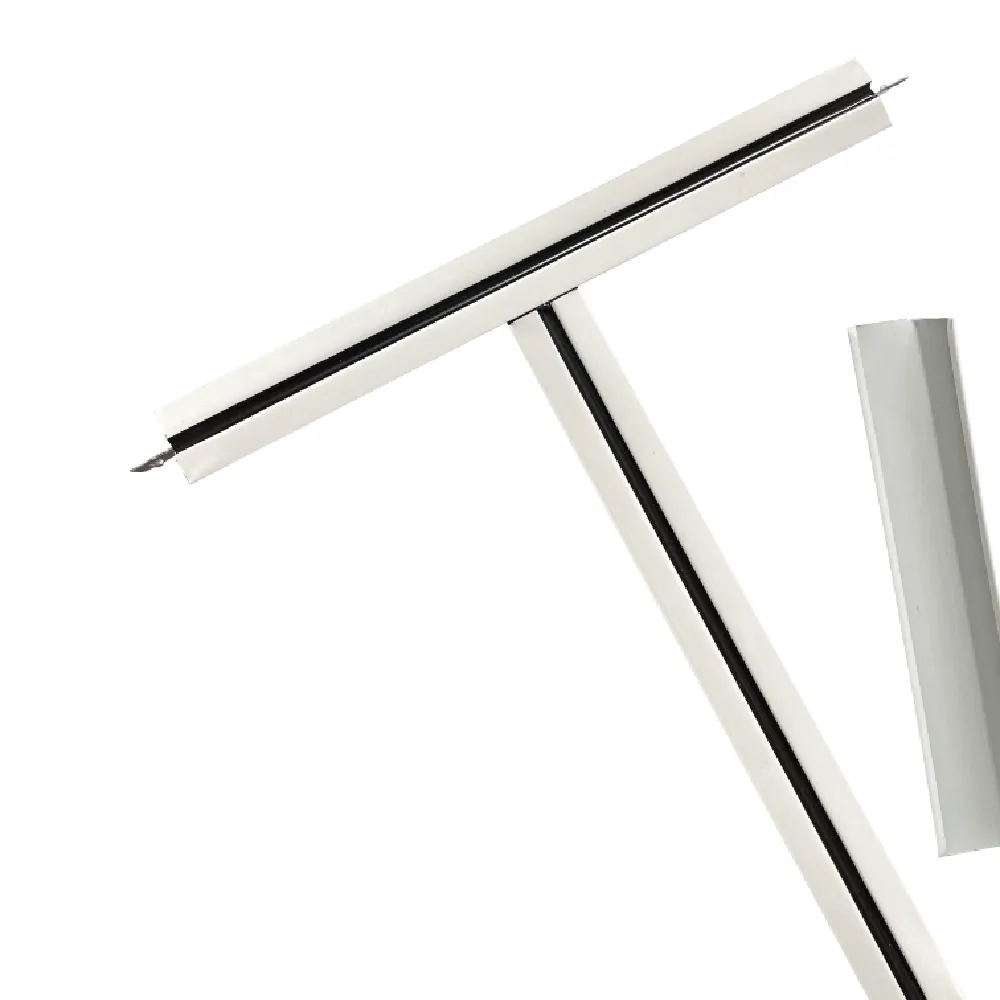
In simple terms, a short span ceiling grid is a framework designed to support ceiling tiles or panels, built with shorter cross members than traditional ceiling grids. This design is especially handy for environments where the aesthetic, function, or space constraints demand a tighter, more controlled layout.
From my hands-on experience, these grids feel sturdier than they look at first glance. The compactness means less sway and often a more uniform load distribution — factors that engineers often appreciate during specification. Frankly, it’s the kind of product where the devil's in the details: gauge thickness, joint design, and materials all matter immensely.
Material and construction details
Most short span ceiling grids are constructed from galvanized steel — sometimes coated with a durable, corrosion-resistant finish. Honestly, over the years I've seen some cheaper variants bend or warp in humid or harsh industrial environments, so quality coatings and steel gauge can’t be overstated.
Some manufacturers offer customizable options, including different finishes and even pre-cut specialty sizes. A small tip from my experience: if you’re working on an older building or something with irregular dimensions, opting for a vendor who can accommodate modifications saves headaches down the line.
| Specification | Details |
|---|---|
| Material | Galvanized Steel (G60/G90 options available) |
| Cross Member Length | Typically 600mm or less |
| Finish | Powder Coated or Electrogalvanized |
| Load Capacity | Up to 15kg/m², depending on model |
| Installation | Suspended ceiling with clip-in panels |
How does it stack up against competitors?
In real terms, not all short span grids perform the same. When I first started specifying these systems, I noticed a wide range of build qualities and finishing touches. Below is my quick rundown comparing some common vendor characteristics:
| Vendor | Material Grade | Customization Options | Lead Time | Price Level |
|---|---|---|---|---|
| Xingyuan Ceilings | G90 Galvanized Steel | High – Custom sizes & finishes | 2–3 weeks | Mid-range |
| Vendor B | G60 Galvanized Steel | Low – Standard sizes only | 1–2 weeks | Budget |
| Vendor C | Electrogalvanized Steel | Medium – Limited finishes, some custom cuts | 3–4 weeks | Higher-end |
One small but telling story I recall: a client with an older manufacturing plant needed a retrofit. They were wary about any ceiling grid that might disrupt existing conduits or HVAC ducts. We recommended a short span ceiling grid with custom cuts from Xingyuan. Installation went smooth, and the tight tolerances meant no nasty surprises. In environments like that, trustworthiness and precision are absolutely everything.
So, should you consider these for your next industrial or commercial project? If you want something robust but flexible, with decent corrosion resistance and the ability to adapt to complex rooms, they’re a solid pick. Of course, always double-check specs for your project’s specific needs. I've learned that no one-size-fits-all in this business.
Oddly enough, many newer engineers underestimate how important the grid itself is to long-term ceiling performance. It’s not just about holding tiles — it’s the framework that determines durability, maintenance effort, and even acoustics. It’s one of those unsung hero components, really.
At the end of the day, I suppose the best advice is this: work closely with a vendor who understands your project’s details as well as the materials. And if you want a reliable partner, companies like Xingyuan Ceilings continue to impress in my book.
Thanks for sticking with my little rundown — here’s hoping it helps you navigate your ceiling grid decisions a bit more confidently.
Quick takeaway: In industrial ceiling projects, the grid often shapes the success story—choose wisely, and your ceilings will thank you for years.
- Building Ceilings & Interiors, 2023, Industry Best Practices.
- Galvanization and Coating Standards, ASTM.
- Xingyuan Ceilings Product Brochure, 2024.
-
Benefits and Guide of Mineral Fiber Ceiling Board for InteriorsNewsApr.16,2026
-
Modern Mineral Fiber Ceiling Solutions for Acoustic PerformanceNewsApr.09,2026
-
Mineral Fibre Board Ceiling vs Gypsum Board A Comprehensive Comparison GuideNewsApr.07,2026
-
Comprehensive Guide to Mineral Fiber Ceiling Specification and PerformanceNewsApr.04,2026
-
What Are Mineral Fiber Ceiling Tiles Made Of And Their ApplicationsNewsMar.31,2026
-
Exploring the Benefits of Suspended Mineral Fibre Ceiling Systems for Modern BuildingsNewsMar.28,2026