
Sep . 19, 2025 10:30 Back to list
Stylish PVC Gypsum Ceiling Tiles: Durable & Moisture-Proof
Understanding PVC Gypsum Ceilings: A Comprehensive B2B Perspective
The demand for advanced building materials in modern commercial and industrial construction projects continues to drive innovation. Among these, pvc gypsum ceiling solutions stand out for their exceptional blend of aesthetic versatility, functional performance, and cost-effectiveness. These composite panels, typically comprising a gypsum board core laminated with a decorative PVC film, offer a superior alternative to traditional ceiling systems, particularly in environments requiring enhanced hygiene, moisture resistance, and ease of maintenance. This detailed analysis will explore the technical nuances, application spectrum, and strategic advantages of this critical building component for B2B decision-makers.
Industry Trends and Market Dynamics for PVC Gypsum Ceiling Tiles
The global market for pvc gypsum ceiling products is experiencing robust growth, primarily fueled by the accelerating pace of urbanization, infrastructural development, and a heightened focus on interior aesthetics combined with functional performance in commercial, institutional, and residential sectors. Key trends include:
- Sustainability Focus: Increasing demand for PVC films that are phthalate-free and gypsum boards manufactured with recycled content.
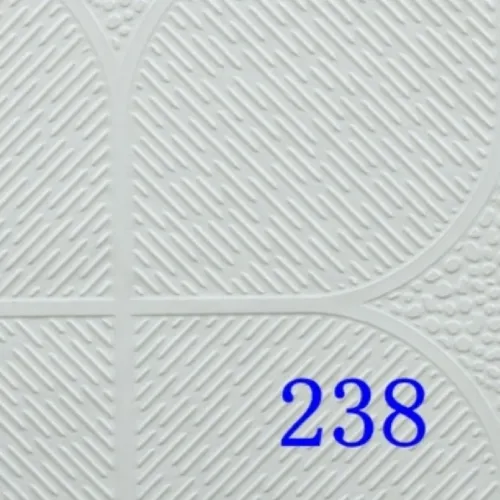
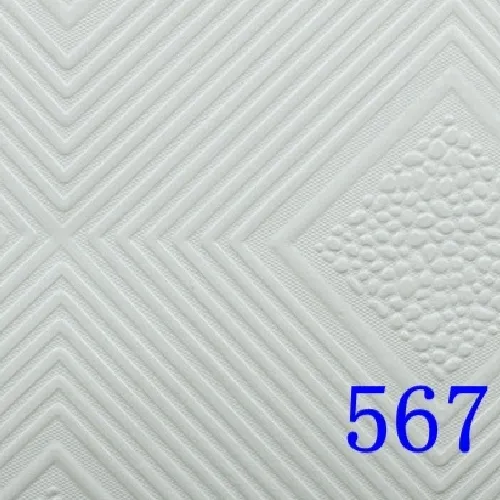
- Aesthetic Diversity: Expansion of design options, including various textures (wood grain, metallic, perforated), colors, and patterns to meet diverse architectural specifications for pvc gypsum ceiling tiles.
- Enhanced Performance: Growing emphasis on specific properties like superior fire resistance (Class A ratings), enhanced moisture repellency, and improved acoustic attenuation for specialized applications.
- Prefabrication and Modularity: The shift towards modular construction methods drives demand for easily installable and demountable pvc laminated gypsum ceiling tiles.
- Cost-Efficiency: Continued market pressure for durable, low-maintenance ceiling solutions that offer a competitive pvc laminated gypsum board price point without compromising quality.
Market analysts project a compound annual growth rate (CAGR) of approximately 6.5% for the global gypsum board market, with laminated variants constituting a significant share due to their value-added properties. This growth is particularly pronounced in emerging economies undergoing rapid commercial infrastructure expansion.
Manufacturing Process Flow of PVC Gypsum Ceiling
The production of pvc gypsum ceiling panels involves a meticulous, multi-stage process designed to ensure product integrity, performance, and consistent quality. This process leverages advanced lamination techniques and stringent quality control protocols.
Process Steps:
-
Gypsum Core Production:
High-purity gypsum plaster is mixed with water, additives (e.g., starch, fiberglass for strength, foaming agents for lightweight core, hydrophobic agents for moisture resistance), and accelerators to form a slurry. This slurry is continuously cast between two sheets of paper liner on a conveyor belt, forming the gypsum board core. The board then passes through an oven for controlled drying.
-
Board Cutting and Sizing:
Once fully cured and dried, the large gypsum boards are precisely cut to standard dimensions (e.g., 595x595mm, 600x600mm, 1200x600mm) using automated CNC cutting machinery to ensure dimensional accuracy, which is critical for seamless installation of pvc gypsum ceiling tiles.
-
PVC Film Lamination:
A high-quality PVC film, selected for its decorative pattern, color, and protective properties (e.g., anti-fungal, easy-to-clean), is then applied to one face of the cut gypsum board. This is typically done using an advanced laminating machine that applies a specialized adhesive. The film is precisely aligned and bonded under controlled temperature and pressure conditions to prevent air bubbles or wrinkles, ensuring a smooth, durable finish. An optional aluminum foil backing can also be laminated to the reverse side for enhanced moisture barrier and thermal insulation properties.
-
Edge Sealing and Finishing:
The edges of the laminated panels are often sealed or finished to prevent moisture ingress and improve handling. This may involve edge banding or painting with a moisture-resistant sealant.
-
Quality Control & Testing:
Each batch undergoes rigorous quality checks. This includes visual inspection for defects, dimensional accuracy checks, adhesion tests of the PVC film, moisture content analysis, fire resistance testing (e.g., ASTM E84, EN 13501-1), and flexural strength tests. Products are certified to meet international standards such as ISO 9001 (Quality Management) and often comply with specific building codes like ASTM C1396 for gypsum boards and ANSI A136.1 for adhesive properties.
-
Packaging:
Finished pvc laminated gypsum ceiling board panels are carefully packaged, typically in cartons or on pallets, to protect them during transit and storage, minimizing damage before installation.
The service life of a well-manufactured pvc gypsum ceiling panel, when installed and maintained correctly, can exceed 15-20 years, making it a highly durable solution for various target industries including:
- Commercial Offices and Corporate Spaces
- Healthcare Facilities and Clinics (emphasizing hygiene)
- Educational Institutions (schools, universities)
- Retail Stores and Shopping Centers
- Hospitality (hotels, restaurants)
- Industrial Cleanrooms and Laboratories
- Public Transportation Hubs (airports, train stations)
- Residential Developments (multi-family units)
Advantages in typical application scenarios include significant energy saving due to superior thermal insulation properties (especially with foil backing), excellent corrosion resistance in humid or mildly chemical environments, and inherent fire resistance from the gypsum core.
Technical Specifications and Performance Parameters
Selecting the appropriate pvc laminated gypsum ceiling board requires a thorough understanding of its technical specifications. These parameters dictate performance in various environments and compliance with building regulations.
Typical PVC Gypsum Ceiling Panel Specifications:
| Parameter | Specification Range | Test Standard |
|---|---|---|
| Core Material | High-density Gypsum Plaster Board | ASTM C1396 / EN 520 |
| Surface Lamination | Durable PVC Film (0.06mm - 0.12mm) | ISO 2813 (Gloss), Internal QA |
| Back Lamination | Aluminium Foil (0.01mm - 0.02mm) (Optional) | ISO 20853 (Thickness) |
| Standard Dimensions | 595x595mm, 600x600mm, 1200x600mm | EN 13950 / ASTM C1396M |
| Thickness | 7mm, 8mm, 9mm, 12mm | EN 520 / ASTM C1396 |
| Fire Resistance | Class A (ASTM E84) / B-s1, d0 (EN 13501-1) | ASTM E84 / EN 13501-1 |
| Moisture Resistance | <5% water absorption (after 2hr immersion) | ASTM C473 (Mod.) |
| Thermal Conductivity (k-value) | 0.16 – 0.17 W/mK | EN 12667 |
| Light Reflectance | ≥80% (typically white/light finishes) | ASTM E1477 |
| Density | 650-800 kg/m³ | ASTM C473 |
The robust nature of these specifications underscores the suitability of pvc gypsum ceiling for demanding commercial applications, offering a balance of structural integrity, aesthetic appeal, and long-term performance.
Application Scenarios and Technical Advantages
The versatility and technical merits of pvc gypsum ceiling solutions enable their deployment across a wide array of commercial, industrial, and institutional environments.
Typical Application Scenarios:
- Office Buildings: Provides a clean, professional aesthetic while allowing easy access to plenum space for HVAC, electrical, and data cabling. Contributes to improved indoor air quality (IAQ) and sound dampening.
- Healthcare Facilities (Hospitals, Clinics): The non-porous PVC surface is easily cleanable and resistant to microbial growth, crucial for maintaining stringent hygiene standards. Often specified for its low particle emission characteristics.
- Retail Spaces: Offers a bright, appealing ceiling surface that enhances product visibility and store ambiance. The durability withstands frequent cleaning and minor impacts.
- Educational Institutions: Provides robust, low-maintenance ceilings that can withstand high traffic and offer acoustic benefits for learning environments.
- Industrial & Manufacturing Facilities: Particularly in areas requiring a dust-free environment or those prone to humidity, the moisture and dust resistance of pvc laminated gypsum ceiling tiles is invaluable.
- Food Processing Units: Complies with hygiene regulations due to its washable and anti-bacterial surface, preventing contamination.
Key Technical Advantages:
- Superior Moisture Resistance: The PVC film acts as an effective barrier against humidity and water splashes, preventing common ceiling issues like sagging, discoloration, and mold growth, especially vital for bathrooms, kitchens, and basements in commercial settings.
- Exceptional Durability and Longevity: The robust gypsum core combined with the tough PVC laminate creates a highly durable panel resistant to impact, scratches, and wear, ensuring a longer service life and reduced replacement cycles.
- Enhanced Hygiene and Cleanability: The smooth, non-porous surface of the PVC film prevents dust accumulation and makes cleaning effortless. It is resistant to common cleaning agents and disinfectants, making it ideal for sterile environments.
- Fire Safety: Gypsum is inherently non-combustible. The gypsum core provides excellent fire resistance, often achieving Class A ratings, which is a critical safety feature in all public and commercial buildings.
- Thermal and Acoustic Performance: When optionally backed with aluminum foil, pvc gypsum ceiling panels significantly improve thermal insulation, contributing to energy saving. The panel structure also offers moderate sound absorption and sound attenuation properties, improving indoor acoustics.
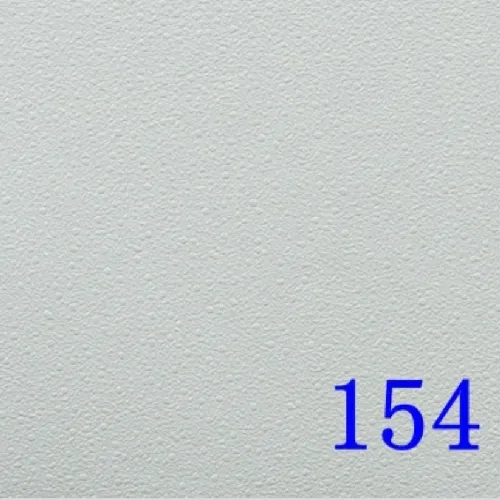
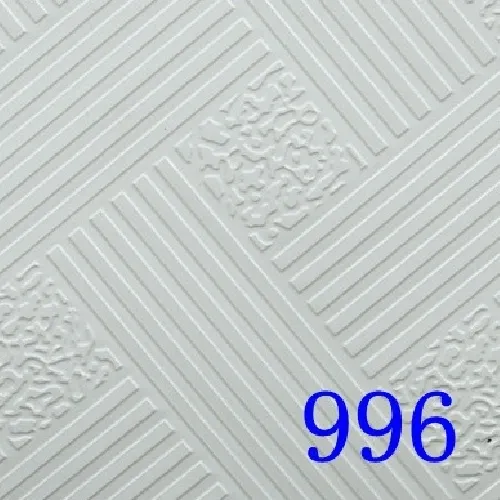
- Design Versatility: Available in a vast array of colors, patterns, and finishes (matte, glossy, textured), allowing architects and designers extensive flexibility to match any interior aesthetic.
- Ease of Installation and Maintenance: Lightweight and easy to cut and handle, these tiles simplify installation. Their low-maintenance nature translates to reduced operational costs over the product's lifespan.
Vendor Comparison and Customized Solutions
When procuring pvc gypsum ceiling solutions, B2B buyers must evaluate vendors not just on pvc laminated gypsum board price, but on a comprehensive set of criteria encompassing product quality, customization capabilities, and after-sales support.
Key Vendor Differentiators:
| Feature | Leading Manufacturer (e.g., Xingyuan Ceilings) | Standard Vendor |
|---|---|---|
| Gypsum Core Purity | >95% Anhydrite Gypsum (ensures strength & stability) | Variable, potentially lower grade |
| PVC Film Quality | Virgin PVC, phthalate-free, UV-resistant, anti-bacterial/fungal treatment | Recycled PVC, limited treatments, prone to discoloration |
| Lamination Adhesive | High-strength, formaldehyde-free, low VOC | Standard adhesive, potentially higher VOC |
| Moisture Resistance | Excellent (hydrophobic core, PVC film, optional foil backing) | Basic (relies solely on PVC film) |
| Fire Rating | Class A (ASTM E84) / B-s1, d0 (EN 13501-1) consistently | Often B or C rating, less stringent compliance |
| Customization | Extensive patterns, colors, sizes, integrated solutions | Limited standard options |
| Certifications | ISO 9001, CE, ASTM, local building codes | Basic or fewer international certifications |
| Warranty | 5-10 years on product integrity | 1-3 years or none explicitly stated |
Customized Solutions for Specific Project Needs:
Recognizing that no two projects are identical, leading manufacturers offer bespoke solutions for pvc gypsum ceiling applications. This includes:
- Non-Standard Dimensions: Production of panels in specific sizes to minimize cutting waste on-site for unique architectural designs.
- Proprietary PVC Finishes: Development of custom patterns, colors, or gloss levels to align with specific brand guidelines or interior design palettes. This is crucial for large-scale corporate fit-outs or hospitality projects.
- Enhanced Performance Characteristics: Engineering panels with increased moisture resistance (e.g., double PVC lamination, advanced hydrophobic additives in gypsum core), higher acoustic ratings (perforated PVC with acoustic fleece backing), or specialized fire-retardant properties beyond standard offerings.
- Integrated Systems: Compatibility with various suspension grid systems, lighting fixtures, and HVAC components to ensure a fully integrated and aesthetically cohesive ceiling solution.
Application Case Studies: Proven Performance
Real-world applications demonstrate the tangible benefits of pvc gypsum ceiling solutions across diverse sectors.
Case Study 1: Large-Scale Hospital Redevelopment
A major healthcare provider embarked on a multi-phase redevelopment of its flagship hospital, requiring ceiling systems that met stringent hygiene, fire safety, and maintenance standards. Over 50,000 square meters of pvc laminated gypsum ceiling tiles were specified for patient rooms, corridors, operating theaters, and sterile zones. The selection criteria heavily favored easy-to-clean, anti-bacterial PVC surfaces and Class A fire ratings. The project leveraged custom sizes to minimize waste and installation time, resulting in a 20% reduction in labor costs compared to alternative ceiling types. Post-installation feedback highlighted the superior finish and ease with which hospital staff could maintain sterile conditions.
Case Study 2: High-Traffic International Airport Terminal
For a new international airport terminal experiencing high humidity fluctuations and requiring robust, aesthetically pleasing ceilings, pvc gypsum ceiling panels with an aluminum foil backing were chosen. The project demanded high light reflectivity (85%+) to enhance interior brightness and minimize lighting energy consumption. The moisture-resistant properties of the panels proved crucial in mitigating condensation issues common in large, climate-controlled spaces with significant passenger flow. The client praised the durability under continuous stress and the minimal need for repairs or replacements over the initial five years of operation.
Case Study 3: Corporate Headquarters Fit-Out
A leading technology firm sought a modern, sophisticated aesthetic for its new corporate headquarters. They opted for pvc gypsum ceiling panels with a subtle, textured PVC finish to complement their minimalist interior design. Acoustic performance was a key consideration in open-plan office areas to minimize sound transfer and enhance employee concentration. Custom-sized panels were produced to seamlessly integrate with a specialized suspended grid system, creating a clean, monolithic look while still allowing access to the plenum for IT infrastructure. The project was completed ahead of schedule, attributing success partly to the ease of installation and the consistent quality of the ceiling panels.
Trustworthiness and Support: Your Partner in Construction
Building trust with B2B clients extends beyond product quality; it encompasses reliable support, clear commitments, and transparent communication.
Frequently Asked Questions (FAQ):
- Q: What makes PVC gypsum ceilings suitable for humid environments?
- A: The primary reason is the PVC film lamination, which creates a waterproof surface. Additionally, many manufacturers incorporate hydrophobic additives into the gypsum core and offer an optional aluminum foil backing, significantly increasing moisture resistance compared to standard gypsum boards.
- Q: Are these panels eco-friendly?
- A: Leading manufacturers utilize gypsum from recycled sources (FGD gypsum) and increasingly offer phthalate-free PVC films with low VOC (Volatile Organic Compounds) adhesives, aligning with green building standards and certifications.
- Q: How do PVC gypsum ceilings contribute to fire safety?
- A: Gypsum itself is a naturally fire-resistant material, as it contains chemically combined water that releases as steam when exposed to high temperatures, retarding heat transfer. Our products consistently achieve Class A fire ratings, providing critical passive fire protection.
- Q: Can these tiles be installed in existing grid systems?
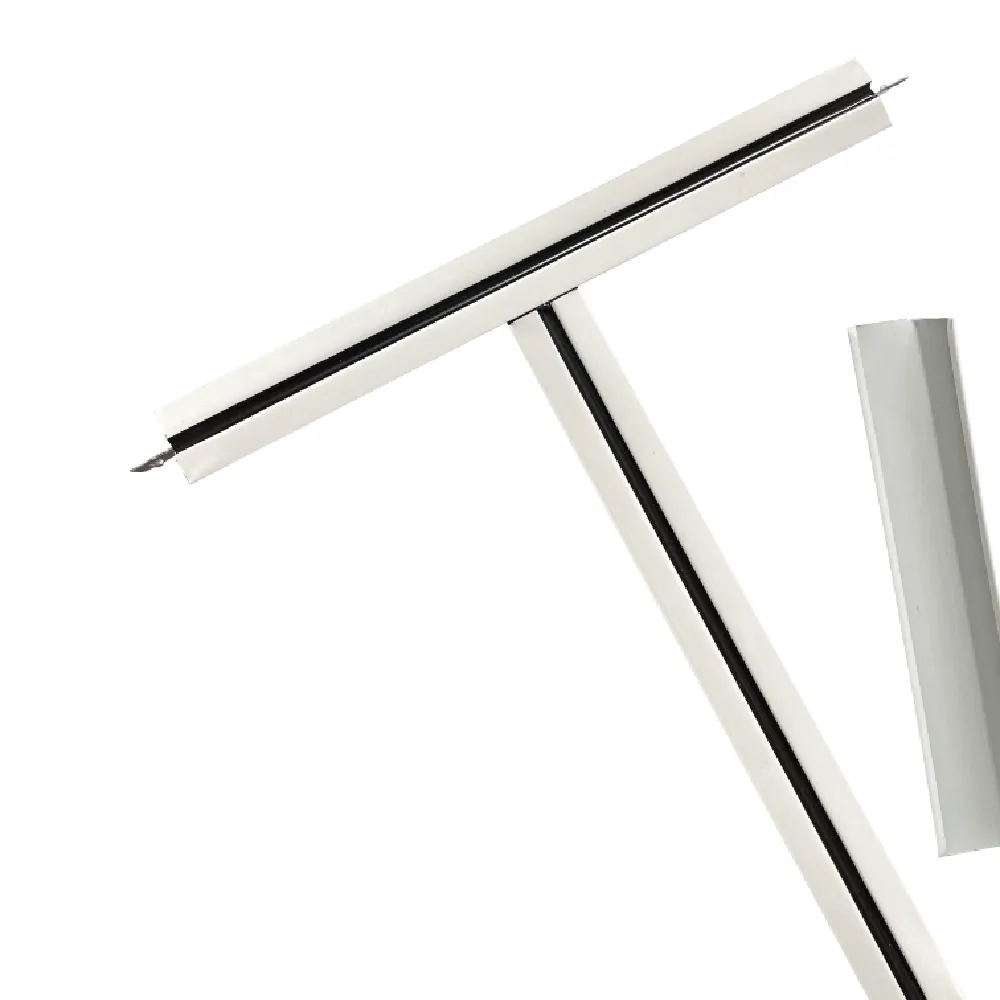
- A: Yes, pvc gypsum ceiling tiles are designed to be compatible with standard T-bar suspension grid systems (e.g., 24mm or 15mm face widths), facilitating easy integration into most existing commercial ceiling frameworks.
Lead Time and Fulfillment Details:
Our streamlined manufacturing processes and robust supply chain enable efficient order fulfillment. Standard orders for common pvc gypsum ceiling specifications typically have a lead time of 10-15 business days from order confirmation. For large-volume or highly customized orders, lead times will be provided upon detailed project scope review, generally ranging from 3-6 weeks. We maintain strategic warehousing to facilitate rapid deployment for urgent projects.
Warranty Commitments:
We stand by the quality and performance of our pvc gypsum ceiling products. All panels are covered by a comprehensive 5-year limited warranty against manufacturing defects, delamination of the PVC film, and significant discoloration under normal use and proper installation. Extended warranty options are available for specific project scales and requirements.
Customer Support and Technical Assistance:
Our dedicated technical support team provides comprehensive assistance from specification and design to installation and post-purchase queries. Services include:
- Detailed product data sheets and installation guides.
- Expert advice on product selection and application.
- On-site technical support for large projects (by arrangement).
- Prompt response to inquiries and issue resolution.
Contact our support team at [info@xingyuanceilings.com] or call [Customer Service Number] for expert guidance.
References
- ASTM International. (2023). ASTM C1396/C1396M - Standard Specification for Gypsum Board. Retrieved from www.astm.org
- European Committee for Standardization. (2022). EN 520 - Gypsum plasterboards - Definitions, requirements and test methods. Retrieved from www.cenelec.eu
- International Organization for Standardization. (2015). ISO 9001:2015 - Quality management systems — Requirements. Retrieved from www.iso.org
- National Fire Protection Association. (2021). NFPA 259 - Standard Test Method for Potential Heat of Building Materials. Retrieved from www.nfpa.org
- Polyvinyl Chloride (PVC) in Building Applications. Building Materials Research Journal, Vol. 15, No. 2, pp. 112-128.
- Thermodynamic Properties of Gypsum for Fire Protection. Journal of Construction Engineering and Management, Vol. 148, Issue 3.
-
Benefits and Guide of Mineral Fiber Ceiling Board for InteriorsNewsApr.16,2026
-
Modern Mineral Fiber Ceiling Solutions for Acoustic PerformanceNewsApr.09,2026
-
Mineral Fibre Board Ceiling vs Gypsum Board A Comprehensive Comparison GuideNewsApr.07,2026
-
Comprehensive Guide to Mineral Fiber Ceiling Specification and PerformanceNewsApr.04,2026
-
What Are Mineral Fiber Ceiling Tiles Made Of And Their ApplicationsNewsMar.31,2026
-
Exploring the Benefits of Suspended Mineral Fibre Ceiling Systems for Modern BuildingsNewsMar.28,2026