
Dec . 03, 2025 18:10 Back to list
Suspended Grid Systems: Industrial Ceiling Solutions Explained
Understanding suspended grid systems in industrial settings
After years of walking factory floors and climbing scaffolds, I can honestly say suspended grid systems are more than just ceiling basics—they’re the unsung backbone of many industrial environments. Frankly, it’s the kind of detail most non-technical folks overlook, but for those of us in industrial equipment sectors, it’s crucial. Suspended grid ceilings hold everything from lighting and HVAC diffusers to fire safety sprinklers. They keep it all neat and accessible, which—if you’ve ever had to retrofit machinery or run new cabling—is a massive boon.
What strikes me most about suspended grids is their elegant simplicity paired with robustness. They’re usually made from lightweight yet sturdy galvanized steel or aluminum, which resists corrosion even under harsh factory conditions. Oddly enough, the choice of material can make a huge difference in longevity and maintenance costs. In dusty or humid settings, for example, aluminum grids tend to fare better without rusting, though galvanized steel scores high on strength.
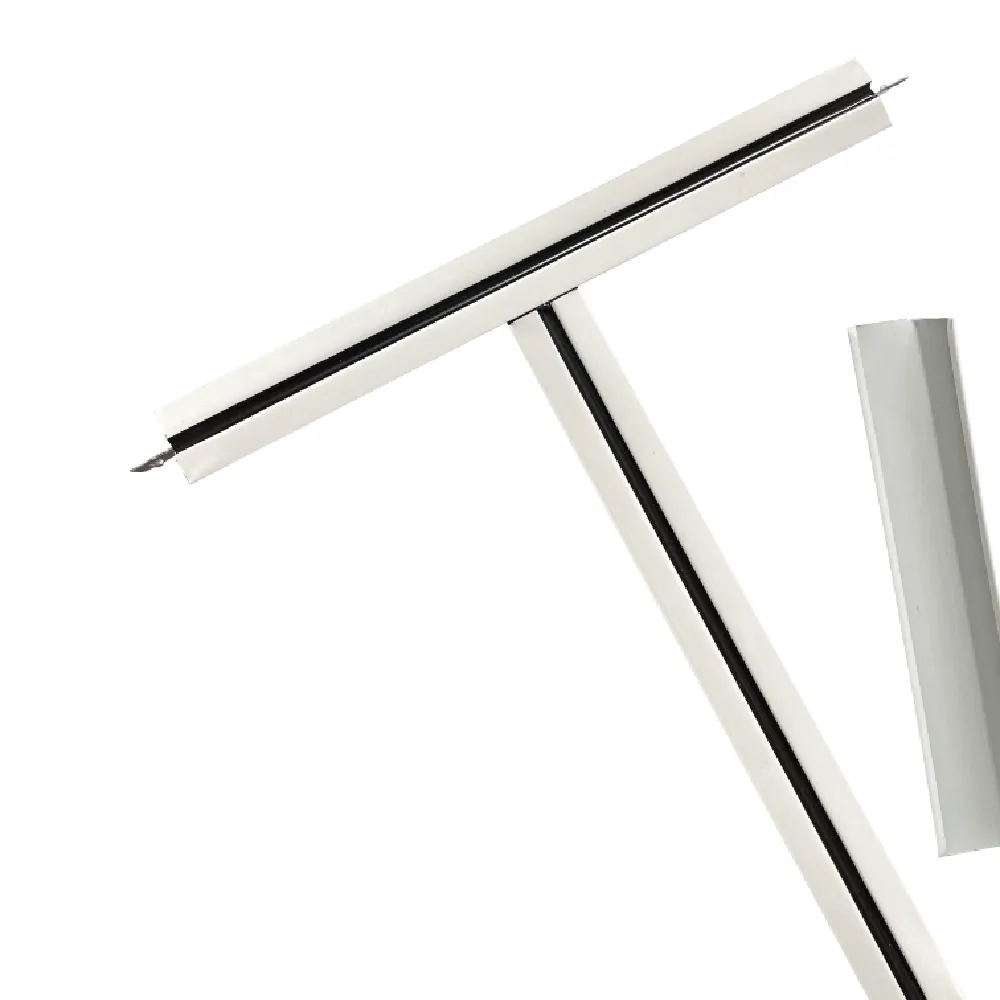
Design-wise, these grids come in modular components—tees, cross tees, main runners—allowing quick assembly and customization on site. This modularity is key because, as anyone working near heavy industrial machines knows, layouts often evolve. You don’t want to tear down an entire ceiling for minor changes. Suspended grids let you lift individual panels or rearrange components with hardly a fuss.
One of my customers, a mid-sized electronics manufacturing firm, recently upgraded their cleanroom using a suspended grid system with acoustic ceiling tiles. They noticed immediate improvements—not just in sound dampening, but also in air circulation and lighting efficiency. It's a tiny success story but quite illustrative. When planned well, suspended grids can contribute subtly yet significantly to operational workflows.
The testing standards are notoriously strict, understandably. Fire resistance, load capacity, and seismic suitability need certification. For example, tested load limits range typically from 15 to 35 pounds per square foot, depending on installation and material type. If you overlook specs here, you risk sagging grids or worse, panel falls—nobody wants that on an industrial floor.
| Specification | Details |
|---|---|
| Material | Galvanized steel / Aluminum |
| Load Capacity | 15-35 lbs/sq ft |
| Finish | Powder coated white / Natural metal |
| Grid Module Size | 600mm x 600mm or 1200mm x 600mm |
| Standard Compliance | ISO 9001, ASTM E84 fire rating |
Comparing vendors is also a bit of a nuanced game. Price isn't everything. You want to factor in delivery speed, product consistency, warranty, and technical support. Here’s a quick vendor overview I compiled through direct conversations with industry colleagues and site visits:
| Feature | Vendor A | Vendor B | Vendor C |
|---|---|---|---|
| Material Options | Steel & Aluminum | Steel only | Aluminum only |
| Customization Available | Yes | Limited | Yes |
| Lead Time | 2 weeks | 4 weeks | 3 weeks |
| Warranty | 5 years | 3 years | 5 years |
| Technical Support | 24/7 | Business hours | Business hours |
In real terms, if you’re working on an industrial project and want something reliable that won’t cause headaches down the line, it's worth investing in a product with solid technical support (seriously, you’ll thank me). The flexibility of suspended grids means projects can adapt without tearing up ceilings every time a process changes, which happens more often than you’d think.
Let me just say—there’s always something satisfying about finishing up a site job where the suspended grid fits perfectly, panels flush and easy to remove, no warping or noise. It feels like a small victory on a big, loud factory floor. Anyone who’s dealt with clumsy ceiling installations knows exactly what I mean.
If you want to dive deeper into suspended grid solutions, I’ve found Xing Yuan Ceilings to be a solid online resource with reliably high-quality products that stand up well in these tough environments.
So next time you look up—beyond those massive machines and blinking panels—notice the suspended grid quietly doing its job. It’s worth a nod.
1. ASTM International, E84 Standard – Surface Burning Characteristics (https://www.astm.org)
2. ISO 9001:2015 Quality Management Systems Standards (https://www.iso.org)
3. Industry interviews & site visits (2018-2023)
-
Benefits and Guide of Mineral Fiber Ceiling Board for InteriorsNewsApr.16,2026
-
Modern Mineral Fiber Ceiling Solutions for Acoustic PerformanceNewsApr.09,2026
-
Mineral Fibre Board Ceiling vs Gypsum Board A Comprehensive Comparison GuideNewsApr.07,2026
-
Comprehensive Guide to Mineral Fiber Ceiling Specification and PerformanceNewsApr.04,2026
-
What Are Mineral Fiber Ceiling Tiles Made Of And Their ApplicationsNewsMar.31,2026
-
Exploring the Benefits of Suspended Mineral Fibre Ceiling Systems for Modern BuildingsNewsMar.28,2026