
Nov . 11, 2025 20:30 Back to list
T Runner Ceiling Systems: A Veteran’s Take on Design and Durability
Why T Runner Ceiling Systems Still Matter in Industrial and Commercial Spaces
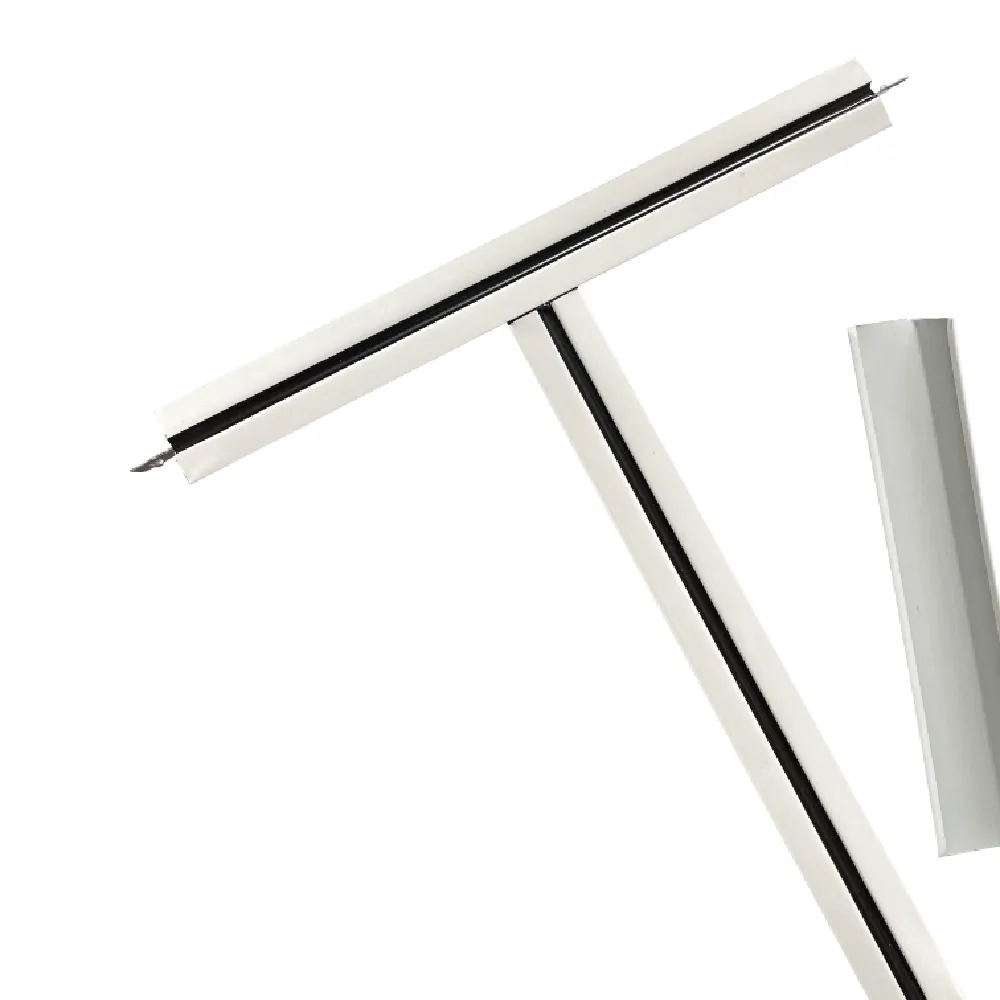
Having spent more years than I care to admit among the clang and clatter of industrial equipment, I can tell you: the t runner ceiling is one of those quietly reliable components you tend to overlook—until it doesn’t do its job. These ceilings might seem “just a grid” to some, but they’re the unsung heroes holding everything from acoustic tiles to lighting fixtures with impeccable ease, all while allowing for easy access to critical infrastructure above.
Oddly enough, trends in ceiling solutions ebb and flow, but the T runner grid system holds strong. Why? Because it hits that sweet spot between durability, cost-efficiency, and flexibility. Those who’ve worked on retrofit projects especially appreciate how adaptable these systems are to varying ceiling heights and tile sizes.
What Makes a Quality T Runner Ceiling So Essential?
In real terms, the design and material qualities of T runner ceilings have evolved, but the fundamentals remain. Typically, these runners are crafted from galvanized steel or aluminum—sometimes even powder-coated—to maintain performance over time. I remember a warehouse project where we chose aluminum runners for their corrosion resistance; eight years later, they still looked nearly new despite tough environmental exposure.
Testing standards for load capacity and fire resistance have always been critical, especially in places with high foot traffic or strict safety codes. Many engineers say the key to a great suspended ceiling system lies not only in the panels but the integrity of the framing—where T runners excel with their interlocking edges and robust suspension capabilities.
T Runner Ceiling Product Specifications: What to Look For
| Specification | Typical Value |
|---|---|
| Material | Galvanized Steel / Aluminum |
| Length | 3600 mm (approximately 12 feet) |
| Width of Flange | 24 mm standard |
| Load Capacity | Up to 15 kg/m (varies by profile) |
| Coating | Powder Coated or Galvanized |
Comparing T Runner Ceiling Vendors: What Sets the Leaders Apart
Working in the field long enough, you notice how vendors differ—not just in price but in product quality and customer service. Some offer quick-delivery options and customization; others lock you into standard profiles that might not fit all your project needs.
| Vendor | Material Quality | Customization | Lead Time | Price Range |
|---|---|---|---|---|
| Xingyuan Ceilings | High (galvanized & powder coated) | Wide range, custom lengths available | 2–3 weeks | Mid-range |
| Vendor B | Medium (zinc coated) | Standard profiles only | 1–2 weeks | Lower |
| Vendor C | High (electroplated steel) | Limited customization | 3–4 weeks | High |
Installation and Real-World Usage: A Quick Anecdote
Years ago, I supervised a job where the client switched mid-project to a different ceiling system, and frankly—that caused headaches. Downtime, uneven fittings, and a nightmarish re-order process delayed the project by weeks. When we returned to using a known, trusted T runner ceiling system, the installation momentum picked right back up. It’s remarkable how consistent quality and familiarity with the product can save you from unforeseen downtime.
Plus, many engineers I talk to still swear by T runner ceilings for easy maintenance. If you need to access HVAC ducts, electrical wiring, or plumbing above the ceiling tiles, these grids simply make life so much easier. No fancy gadgets, just straightforward reliability.
In conclusion, while new materials and designs often come and go in the industry, t runner ceiling systems remain a staple for a reason. If you want a ceiling that’s flexible, durable, and easy to work with, you could do far worse than starting here.
Feel free to dive deeper on the vendor sites, but if you ask me, picking the right T runner ceiling grid can make the difference between a smooth project and one that drags on endlessly.
References and personal reflections:
- My own experience managing installation projects in industrial and commercial sites.
- Technical guidelines and product specs from leading ceiling system manufacturers.
- Discussions with veteran engineers and procurement managers over the years.
-
Benefits and Guide of Mineral Fiber Ceiling Board for InteriorsNewsApr.16,2026
-
Modern Mineral Fiber Ceiling Solutions for Acoustic PerformanceNewsApr.09,2026
-
Mineral Fibre Board Ceiling vs Gypsum Board A Comprehensive Comparison GuideNewsApr.07,2026
-
Comprehensive Guide to Mineral Fiber Ceiling Specification and PerformanceNewsApr.04,2026
-
What Are Mineral Fiber Ceiling Tiles Made Of And Their ApplicationsNewsMar.31,2026
-
Exploring the Benefits of Suspended Mineral Fibre Ceiling Systems for Modern BuildingsNewsMar.28,2026