
Nov . 13, 2025 20:30 Back to list
Tee Grid Ceiling Solutions for B2B - Durable & Efficient from Xingyuan
Tee Grid Ceiling is a key solution in the industry, specifically within commercial, institutional, and industrial spaces. This article explores how https://www.xingyuanceilings.com supports professionals with durable, high-performance products, and explains why this product is an ideal choice for businesses in these sectors.
Table of Contents
- Tee Grid Ceiling Overview
- Benefits & Use Cases of Tee Grid Ceiling
- Cost, Maintenance & User Experience
- Sustainability & Market Trends
Tee Grid Ceiling Overview
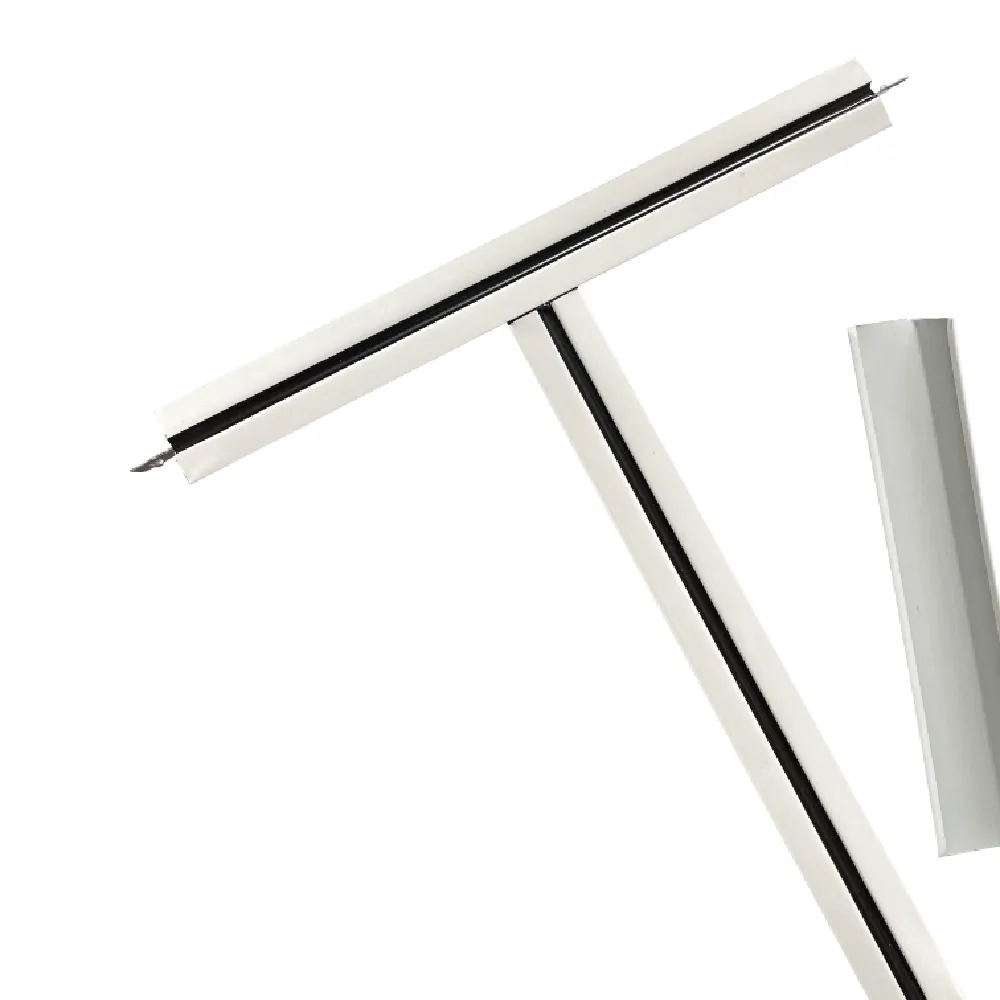
A Tee Grid Ceiling is essentially a suspended ceiling system framework constructed from interlocking T-shaped metal profiles. It creates a modular grid that supports ceiling tiles, lighting fixtures, HVAC components, and other installations. This grid is an industry staple for architects and engineers who need a flexible, accessible, and aesthetically pleasing ceiling system.
Technically, these grids are usually made from steel or aluminum, and are precision-engineered to provide strength without excessive weight. Xingyuan's products come with varied load ratings—ranging roughly between 1.0 to 2.0 kN/m²—which suits everything from office spaces to clean rooms. Their (T-bar) profiles are typically 24mm or 15mm wide, offering compatibility with standard 600x600mm or 600x1200mm ceiling tiles, a kind of modularity that contractors appreciate for quick installations and easy maintenance.
| Specification | Details |
|---|---|
| Material | Cold-rolled steel or aluminum alloy |
| Profile Width | 24mm standard (15mm option available) |
| Load Rating | 1.0–2.0 kN/m² |
| Tile Sizes Supported | 600x600mm, 600x1200mm |
| Finish | Powder coated or pre-painted (various colors) |
Benefits & Use Cases of Tee Grid Ceiling
Industries ranging from hospitals and schools to shopping centers and manufacturing facilities prefer Tee Grid Ceiling systems due to their adaptability. The modular design allows for easy removal and replacement of panels, which is invaluable when frequent access to utilities above the ceiling is needed.
A big, practical advantage is the high load-bearing capacity. Many engineers say that the robustness of Xingyuan’s Tee Grid systems makes it especially suitable for spaces requiring heavy lighting arrays or soundproofing systems. Also, the finish resists humidity and corrosion, which makes it a strong candidate for industrial environments where moisture control is critical.
Compared to traditional plaster or drywall ceilings, these systems are lighter, cheaper to install, and much easier to maintain. They provide a clean, uniform look while allowing creative layouts for integrated lighting or air diffusers, which architects find very liberating. In short, a Tee Grid Ceiling is like the unsung hero of modern ceiling solutions.
Cost, Maintenance & User Experience
When you start factoring in total cost of ownership, Tee Grid Ceiling systems shine. Their steel profiles are long-lasting, and since ceiling tiles can be easily lifted without damaging the grid, maintenance teams save significant time and money. Plus, replacement parts from Xingyuan tend to be standardized, making inventories smarter and avoiding costly delays.
From conversations with facility managers, it’s clear that the ease of installation equates to quicker project turnover. And quick turnover is money in the bank, right? A bit unexpectedly, customers also report quieter office environments when supplemented with acoustical tiles within the Tee Grid frameworks, something you don’t always get with heavier ceiling systems.
While the upfront investment might be slightly above cheapest drop ceiling systems, the long-term ROI justifies itself. Less downtime, easier modifications during renovations, and fewer replacement cycles add up. In industries where operational continuity matters, this is a game changer.
Sustainability & Market Trends
Sustainability is no longer just a buzzword. The ceiling industry, including Tee Grid Ceilings, is quickly evolving to meet greener demands. Xingyuan invests heavily in using recycled steel materials and low-VOC powder coatings, reducing environmental impact in manufacturing and installation.
Regulations increasingly push for modular, recyclable construction materials. The modular nature of Tee Grid Ceilings fits well into circular economy models, allowing recycling of both metal grids and ceiling tiles at end-of-life stages. Investors, developers, and facility owners now lean toward suppliers like Xingyuan who can back their claims with certifications and transparent supply chains.
As markets for commercial buildings and industrial expansions grow in Asia and beyond, flexible ceiling systems also attract due to ease of upgrades and adaptive reuse of spaces, another sustainability win. Oddly enough, modern tastes for cleaner, simpler ceiling designs mean Tee Grid Ceilings have surged in popularity over traditional ornate plasterwork. It feels like practicality and style... finally getting along.
| Vendor | Material Quality | Customization | Lead Time | Sustainability |
|---|---|---|---|---|
| Xingyuan Ceilings | Premium galvanized steel, certified | High – sizes, colors, finishes | 4–6 weeks | Recycled materials, eco-friendly paints |
| Generic Supplier A | Standard steel, basic finish | Limited | 6–8 weeks | None reported |
| Supplier B | Aluminum-based, mid-grade | Medium | 5–7 weeks | Some recyclable parts |
Frequently Asked Questions about Tee Grid Ceiling
- What is Tee Grid Ceiling and how does it work?
- A Tee Grid Ceiling is a suspended modular framework made from T-shaped metal profiles that support ceiling tiles and overhead systems, allowing for easy installation and maintenance access.
- What are the main benefits of using Tee Grid Ceiling in industrial applications?
- Key benefits include durability, modular flexibility, ease of installation, high load capacity for lights and equipment, and cost-effectiveness over traditional ceilings.
- How does Tee Grid Ceiling compare to traditional alternatives?
- Compared to plaster or drywall ceilings, Tee Grid Ceilings offer quicker installation, easier maintenance, better modularity, and generally lower lifecycle costs.
- What industries can benefit most from Tee Grid Ceiling implementation?
- Commercial offices, healthcare, education, manufacturing facilities, and retail spaces often benefit thanks to the system’s adaptability and maintenance efficiency.
Conclusion on Tee Grid Ceiling from china
The Tee Grid Ceiling system stands out as a practical, robust solution for today's dynamic commercial and industrial environments. Its modularity, strong specs, and sustainability credentials meet growing industry demands. Plus, working with a reliable vendor such as Xingyuan Ceilings ensures access to quality, customization, and peace of mind. When you factor in long-term savings and flexibility, it’s clear why many businesses are making the switch — and why you might want to, too.
- Recap the value of Tee Grid Ceiling.
- - Visit our website: https://www.xingyuanceilings.com
1. Industry feedback from commercial architects & facility managers.
2. Xingyuan Ceilings official product specifications.
3. Sustainability reports & construction trends 2023.
-
Benefits and Guide of Mineral Fiber Ceiling Board for InteriorsNewsApr.16,2026
-
Modern Mineral Fiber Ceiling Solutions for Acoustic PerformanceNewsApr.09,2026
-
Mineral Fibre Board Ceiling vs Gypsum Board A Comprehensive Comparison GuideNewsApr.07,2026
-
Comprehensive Guide to Mineral Fiber Ceiling Specification and PerformanceNewsApr.04,2026
-
What Are Mineral Fiber Ceiling Tiles Made Of And Their ApplicationsNewsMar.31,2026
-
Exploring the Benefits of Suspended Mineral Fibre Ceiling Systems for Modern BuildingsNewsMar.28,2026