
Dec . 01, 2025 15:20 Back to list
The Definitive Guide to Hinged Ceiling Access Panels | Benefits & Innovations
The World of Hinged Ceiling Access Panels: What You Should Know
Simply put, a hinged ceiling access panel is one of those unassuming components in building construction and maintenance that, when designed right, makes all the difference. From a maintenance worker opening the ceiling to check wiring, to an HVAC engineer accessing ducts with ease, these panels are the quiet gatekeepers of infrastructure accessibility. Globally, as urban environments get smarter and buildings more complex, the role of good access points—in particular hinged panels—becomes clearer and more valuable.
Why does this really matter? Well, a well-designed hinged ceiling access panel not only facilitates quicker repairs but also reduces safety risks, saves time, and can even impact building aesthetics. For anyone curious about sustainability and long-term building care, understanding these panels holds surprisingly broad benefits.
Hinged Ceiling Access Panels in a Global Context
Did you know? According to the International Organization for Standardization (ISO), building maintenance efficiency can cut energy and operational costs by up to 30%. This is where hinged ceiling access panels come in — by enabling rapid, safe access to complex ceiling cavities, they support crucial maintenance and upgrades.
Across the globe, from bustling metropolitan hubs like New York to developing cities in Southeast Asia, buildings face challenges: aging infrastructure, need for quick repairs, and increasingly stringent safety codes. In fact, the global renovation market was valued at over $700 billion in 2022 and is projected to grow steadily, creating surging demand for reliable access solutions like hinged panels.
Yet the challenge remains: How do designers balance solidity, accessibility, and aesthetics in one small panel? And how do facilities managers avoid the frustration of hard-to-open or prone-to-failure ceiling hatches?
What Exactly Is a Hinged Ceiling Access Panel?
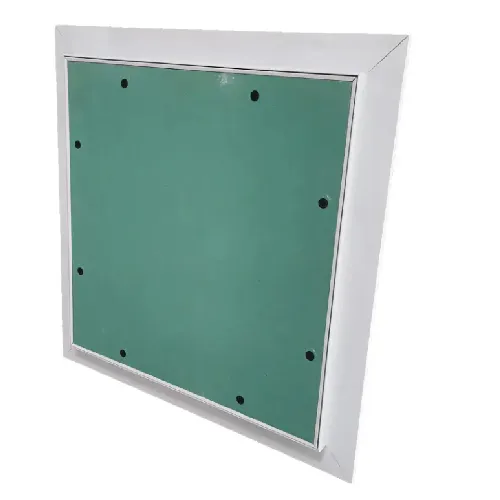
In essence, a hinged ceiling access panel is a door-like opening integrated into a ceiling system that swings open on hinges, giving access to wiring, plumbing, insulation, or ductwork hidden above. Unlike removable or sliding panels that might require full extraction or separate hardware, hinged panels pivot smoothly, often with a latch or lock to secure the space.
They might seem simple, but they’re a small marvel of practical engineering: lightweight enough to operate easily, yet strong enough to hold up in heavy-use or fire-rated ceilings. Within modern buildings — commercial, industrial, even humanitarian shelters — these panels help maintain safety, convenience, and a neat appearance.
Key Elements to Consider in Hinged Ceiling Access Panel Design
1. Durability and Material Quality
Most panels are made from steel, aluminum, or fiberglass-reinforced plastic. Steel offers strength for heavy-duty applications, while aluminum is prized for its lightweight corrosion resistance. Fiberglass panels often appear in environments requiring moisture resistance, such as labs or medical facilities.
2. Accessibility & Ease of Use
The hinged mechanism itself must be smooth and durable. Some panels include gas springs or special pivot hinges to ease opening and avoid slamming. Locking mechanisms range from simple latches to keyed locks, depending on security needs.
3. Fire Resistance and Safety Ratings
Especially in commercial or public buildings, panels may need to provide fire-rated protection, meeting ISO 834 or other relevant standards. This adds complexity to materials and installation, but is non-negotiable in many jurisdictions.
4. Aesthetics and Integration
How does the panel blend into ceiling tiles? Some feature paint-grade finishes or are designed to accept ceiling tiles, ensuring zero disruption to the room’s appearance.
5. Size and Scalability
Panels come in various standard sizes — from small 12"x12" units for junction box access, to large panels for HVAC systems. Scalability is important especially in industrial applications or large modern infrastructure.
Mini Takeaway:
A quality hinged ceiling access panel balances strength, safety, usability, and looks—no small feat given the variety of needs.
Real-World Uses: Where Hinged Ceiling Access Panels Make a Difference
The humble hinged ceiling access panel finds itself everywhere:
- Hospitals: Easy access to electrical and plumbing systems without disruption.
- Industrial plants: Quick inspection points reduce downtime during routine checks.
- Commercial offices: Seamless ceiling integration keeps aesthetics intact while providing maintenance access.
- Post-disaster shelters: Portable panel solutions allow rapid field adjustments to makeshift ceilings.
For example, in Tokyo’s sprawling urban environment, strict fire codes and high maintenance demands mean hinged panels are a must-have. In remote industrial zones in Canada, lightweight aluminum models allow technicians to move swiftly in harsh cold conditions.
Advantages & Long-Term Value of Using Hinged Ceiling Access Panels
These panels pay for themselves in the long run through:
- Cost efficiency: Rapid access means maintenance teams spend less time on-site, lowering labor costs.
- Sustainability: Panels designed to last 10+ years minimize waste and reduce raw material consumption.
- Safety: Standardized fire-rated designs prevent hazardous smoke or fire spread.
- Trust & Dignity: Clean, well-maintained infrastructure promotes employee confidence and occupant comfort.
Oddly enough, many facility managers remark that a simple panel can make or break the ‘ease of maintenance’ factor, contributing deeper to operational longevity than flashy tech might.
Looking Ahead: Trends & Innovations in Hinged Ceiling Access Panels
Innovation never sleeps — we’re seeing:
- Smart panels: Embedded sensors that notify building management when opened, improving security.
- Eco-materials: Panels made from recycled or bio-based composites align with green building certifications.
- Automation compatibility: Motorized panels for high or hard-to-reach ceilings.
- Customization platforms: Configurable panels ordered online to match precise building specifications.
As buildings become part of “smart cities,” the humble hinged ceiling access panel morphs into a nexus of connectivity and convenience.
Challenges & Practical Solutions in Current Ceiling Access Panels
But it’s not all smooth sailing. Common issues include:
- Installation complexity: Inconsistent ceiling types make standard panel fitting tricky. Expert modular designs can help.
- Security lapses: Easy-to-open panels pose potential unauthorized access risks, solvable by enhanced lock systems.
- Wear & tear: Frequent use can degrade hinges or seals; choosing robust materials and testing for longevity is key.
Industry leaders recommend combining quality materials with user-centric design — because the best panel is the one you barely notice until you actually need it.
Quick FAQ: Your Hinged Ceiling Access Panel Questions Answered
- Q: What sizes of hinged ceiling access panels are most common?
- A: Typical sizes range from 12"x12" for smaller utility access up to 36"x36" or larger for big HVAC service. Custom sizes are often available.
- Q: Are hinged ceiling access panels suitable for outdoor use?
- A: Yes, but panels need weatherproof and corrosion-resistant materials like aluminum or stainless steel for outdoor installations.
- Q: How do fire ratings affect panel choice?
- A: Panels with fire resistance must follow building codes, often requiring specific insulation materials and tight sealing to prevent fire spread.
- Q: Can I customize the finish of the panel to match my ceiling?
- A: Absolutely, many manufacturers offer paint-ready panels or those designed to hold standard ceiling tiles for seamless integration.
- Q: Is installation complicated on existing ceilings?
- A: It depends. Some hinged panels are designed for retrofit with minimal ceiling modification, but complex ceilings may need professional fitting.
Product Specification Table
| Specification | Typical Value / Option |
|---|---|
| Material | Steel (powder coated), Aluminum, Fiberglass |
| Sizes available | 12"×12" to 36"×36"; Custom sizes on request |
| Hinge Type | Continuous Piano hinge, Gas Spring assisted |
| Fire Rating | Up to 3-hour fire-rated variants |
| Locking Mechanism | Latch, Key lock, Cam lock |
| Finish | Primer, Powder coat, Paint-ready, Tile-insertable |
Vendor Comparison: Top Hinged Ceiling Access Panel Providers
| Feature | PanelTech | AccessPro | CeilFix |
|---|---|---|---|
| Material Options | Steel, Aluminum | Steel, Fiberglass | Aluminum only |
| Fire-Rated Panels | Up to 3 hrs | Up to 2 hrs | No |
| Customization | Full size & finish options | Limited to standard sizes | Custom hinges & locks only |
| Ease of Installation | High (modular frames) | Medium | Low (requires expert fit) |
| Average Lead Time | 2 weeks | 4 weeks | 3 weeks |
Bringing It All Together
So, reflecting on it all, the hinged ceiling access panel isn’t just a box to poke holes in ceilings. It’s a thoughtfully engineered gateway that enables critical maintenance, safety, and aesthetic balance in our built environment. From practical roles in emergency shelters to quietly ensuring your office’s WiFi router stays plugged in safely above the ceiling tiles, these panels matter.
Next time you walk a hallway, spare a glance upward — that tiny hinge might just be a protagonist in the story of safe, efficient, and sustainable building maintenance.
For professionals needing reliable, customizable access panels, visiting sites like hinged ceiling access panel vendors can be the start of smarter facility solutions.
References
-
Benefits and Guide of Mineral Fiber Ceiling Board for InteriorsNewsApr.16,2026
-
Modern Mineral Fiber Ceiling Solutions for Acoustic PerformanceNewsApr.09,2026
-
Mineral Fibre Board Ceiling vs Gypsum Board A Comprehensive Comparison GuideNewsApr.07,2026
-
Comprehensive Guide to Mineral Fiber Ceiling Specification and PerformanceNewsApr.04,2026
-
What Are Mineral Fiber Ceiling Tiles Made Of And Their ApplicationsNewsMar.31,2026
-
Exploring the Benefits of Suspended Mineral Fibre Ceiling Systems for Modern BuildingsNewsMar.28,2026