
Nov . 29, 2025 01:55 Back to list
The Definitive Guide to Insulated Ceiling Access Panels: Benefits, Applications, and Trends
What Exactly Is an Insulated Ceiling Access Panel, and Why Should We Care?
At first glance, an insulated ceiling access panel might sound like jargon from a contractor’s handbook — and sure, it’s specialized. But it’s more than a random building component. Globally, these panels help solve practical problems around energy efficiency, building maintenance, and even safety. As buildings grow smarter and greener, understanding how these panels work and what benefits they bring becomes rather essential, whether you're in construction, architecture, or facility management.
Why does this matter on a bigger scale? According to the International Energy Agency, buildings contribute nearly 40% of global energy consumption, which means sealing and insulating every nook and cranny counts. Insulated ceiling access panels play their part by reducing heat loss through ceiling openings, and making maintenance easier without compromising insulation. So, whether your project is a skyscraper in Dubai or a hospital in Norway, these panels quietly punch above their weight.
Seeing the Big Picture: Why Insulated Ceiling Access Panels Matter Globally
Globally, energy efficiency standards have tightened, especially under agreements like the Paris Accord and benchmarks set by ISO 50001 for energy management. Buildings must tighten their thermal envelopes — and this is where insulated ceiling access panels come in. They address a classic dilemma: how to gain access for maintenance without sacrificing insulation and airtightness.
Here’s an interesting bit — studies indicate that poorly sealed ceiling or wall access points can reduce overall insulation performance by up to 15%. That’s a noticeable waste, especially in regions with harsh winters or sweltering summers where HVAC bills skyrocket.
Oddly enough, even though these panels are such small components, the ripple effect in both energy savings and worker safety is quite impressive. From hospitals needing pathogen-proof environments to data centers requiring climate stability, the stakes couldn’t be higher.
What Is an Insulated Ceiling Access Panel?
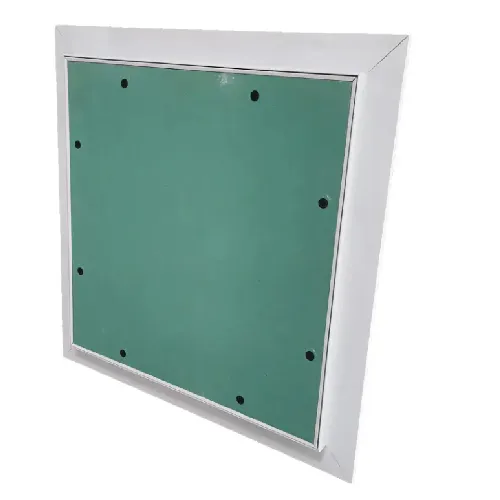
Put simply, it’s a removable panel fitted into ceilings that provides access to hidden infrastructure—think HVAC ducts, wiring, or plumbing—while featuring insulating materials to maintain the ceiling’s thermal barrier. Instead of just a hollow hatch, it incorporates foam or other insulating media sandwiched with durable surfaces to minimize heat/cold transfer.
In industrial and humanitarian contexts, these panels serve an even more vital role, ensuring clean and tightly controlled environments while allowing quick accessibility. So, it’s not just about convenience — it’s about maintaining conditions that could affect patient health, equipment performance, or overall building compliance.
Core Components You Should Know
- Insulation Material: Usually polyurethane foam or mineral wool, which balances thermal resistance with fire safety.
- Panel Frame: The supporting frame often made of galvanized steel or aluminum to resist corrosion and support repeated opening/closing.
- Access Mechanism: Hinged, removable, or sliding options exist, depending on ease and frequency of access needed.
- Finish Surface: Typically smooth and paintable to blend with ceiling aesthetics and permit cleaning.
- Sealing Gasket: A weatherproof gasket keeps air leakage minimal and dust or insects out.
Why These Components Matter in Practice
Durability, insulation, and sealing are the holy trinity here. Think about a hospital where air quality is critical — even a small leak can introduce contaminants. Or in server farms, where temperature fluctuations endanger equipment. In factories with hazardous chemicals, a tight seal ensures worker safety. The thoughtful engineering of each component matters a lot, even if it’s “just a panel.”
Where Are These Panels Actually Used? Real-World Applications
From Europe to Asia, insulated ceiling access panels are quietly at work everywhere. Take the Nordic countries, for example, where severe winters demand airtight buildings. Maintenance workers can quickly open panels to access HVAC systems without losing heat or risking moisture buildup.
In post-disaster relief operations, modular hospitals and shelters need materials that balance insulation with functionality. Panels designed for rapid installation and removal make these spaces safer and more comfortable — a literal lifesaver.
Industrial zones in remote areas, like mining operations in Australia or oil rigs in the North Sea, benefit as well. The panels reduce thermal bridging, keeping internal environments stable despite harsh external conditions.
If you want to check out specifics on access panel styles suitable for varied needs, insulated ceiling access panel options are surprisingly versatile, fitting everything from small commercial centers to sprawling campuses.
Mini Takeaway:
Insulated ceiling access panels are more than a building afterthought. They are critical players in maintaining energy efficiency and ensuring safe, accessible infrastructure across many industries.
Why Should You Invest in Insulated Ceiling Access Panels? The Big Benefits
In the practical sense, they reduce heating and cooling costs — straightforward enough. But beyond the dollar signs, many engineers and facilities managers highlight peace of mind. Knowing your ceiling access doesn’t compromise the building envelope means fewer worries and less emergency repairs.
Environmentally, these panels contribute to reduced energy demand, which in turn cuts greenhouse gas emissions. They also foster sustainable building certifications like LEED or BREEAM, increasingly important in global construction trends.
Think of it as innovation meeting dignity. Hospitals maintain sterile conditions, residents enjoy cozy homes, and every occupant benefits from smarter, more reliable buildings. It’s a small piece of the sustainability puzzle with outsized importance.
The Nitty-Gritty: Insulated Ceiling Access Panel Specifications
| Feature | Typical Value | Notes |
|---|---|---|
| Panel Size | 600 x 600 mm (standard) | Custom sizes available on request |
| Insulation Thickness | 25-50 mm | Depending on required R-value |
| Thermal Resistance (R-value) | R1.0 – R2.0 (m²·K/W) | Higher R-values for extreme climates |
| Frame Material | Galvanized Steel / Aluminum | Corrosion resistant |
| Fire Rating | Class C or B (EN 13501-1) | Meets many building codes |
| Access Type | Hinged / Removable / Sliding | Depends on application |
Comparing the Market: Leading Insulated Ceiling Access Panel Vendors
| Vendor | Material Options | Customization Level | Price Range (USD/unit) | Lead Time |
|---|---|---|---|---|
| Xingyuan Ceilings | Polyurethane Foam, Mineral Wool | High (any size, finish) | $60 - $120 | 2-4 weeks |
| PanelPro Systems | Fiberglass Core, Aluminum | Medium (standard sizes) | $80 - $130 | 3-5 weeks |
| InsulFix Inc. | PU Foam Core | Low (limited sizes) | $50 - $90 | 1-3 weeks |
Looking Ahead: Trends and Innovations on the Horizon
There’s a fascinating push towards integrating smart technologies into ceiling panels, insulated or otherwise. Imagine panels that can self-monitor insulation integrity or humidity levels, alerting building managers before problems escalate. Coupled with green materials, such as recycled polyurethanes or biodegradable composites, the future is definitely curious.
Also, the move towards net-zero energy buildings continues to put pressure on even tiny components like ceiling access panels. Digital modeling for precise heat flow simulation means these products will become more specialized — optimized for specific climates, building typologies, or even humanitarian uses.
Challenges and How Experts Tackle Them
No product is perfect. Insulated ceiling access panels often face issues like installation errors, insufficient sealing, or damage from repeated access. These issues cause energy leaks or make maintenance inefficient.
Solutions? Manufacturers are innovating with better gasket designs, modular panel setups that snap in without tools, and surface finishes that resist scratches and dirt buildup. Training installers properly also remains essential — many times it’s the human factor that decides performance.
FAQs About Insulated Ceiling Access Panels
- Q: How does an insulated ceiling access panel improve energy efficiency?
A: By sealing ceiling openings tightly and incorporating insulating materials, these panels reduce heat loss and air leakage, helping to maintain interior temperatures more efficiently and lower HVAC costs. - Q: Are these panels easy to install in existing buildings?
A: Yes, most insulated ceiling access panels are designed for retrofit applications with minimal structural changes. However, professional installation ensures the best seal and longevity. - Q: Can I paint or finish the panel to match my ceiling?
A: Typically, yes. Many panels come with paintable surfaces. Using compatible paints recommended by the manufacturer ensures durability and appearance. - Q: Do they meet fire safety regulations?
A: Most leading models comply with fire safety standards such as EN 13501-1 class B or C, but always check specifications based on your region and building code. - Q: What maintenance is required for these panels?
A: Very little — periodic cleaning and inspection of seals are usually sufficient, unless frequent access is needed, in which case a quality mechanism reduces wear over time.
To Wrap It Up: Why Insulated Ceiling Access Panels Still Matter
Long-term, these panels offer a surprisingly high return on investment — in energy savings, in healthier environments, and in peace of mind. They’re subtle yet smart building components making modern living and working spaces better. So if you want to embrace efficiency and reliability, it’s definitely worth exploring specific insulated ceiling access panel products, because not all panels are made equal.
Give your architect, facility manager, or construction team a nudge to look at this less glamorous but important piece of the puzzle — it might just surprise you.
References
-
Benefits and Guide of Mineral Fiber Ceiling Board for InteriorsNewsApr.16,2026
-
Modern Mineral Fiber Ceiling Solutions for Acoustic PerformanceNewsApr.09,2026
-
Mineral Fibre Board Ceiling vs Gypsum Board A Comprehensive Comparison GuideNewsApr.07,2026
-
Comprehensive Guide to Mineral Fiber Ceiling Specification and PerformanceNewsApr.04,2026
-
What Are Mineral Fiber Ceiling Tiles Made Of And Their ApplicationsNewsMar.31,2026
-
Exploring the Benefits of Suspended Mineral Fibre Ceiling Systems for Modern BuildingsNewsMar.28,2026