
Nov . 26, 2025 23:50 Back to list
Understanding Ceiling Access Panel Size: Benefits, Specifications & Trends
Understanding Ceiling Access Panel Size: Why It Matters More Than You Think
The humble ceiling access panel often goes unnoticed until you need it — yet its size can make all the difference in building maintenance, safety, and efficiency. Globally, architects, engineers, and facility managers are tackling how standardized ceiling access panel size affects everything from fire safety to HVAC servicing, boosting operational value while reducing costs. So, why should you care about it? Well, the panel size isn’t just about fitting a hole in the ceiling; it impacts accessibility, installation ease, and even sustainability.
Taking time to understand the ideal dimensions and their implications truly pays off in today's fast-evolving construction, industrial, and humanitarian sectors.
Why Ceiling Access Panel Size Is a Global Concern
Globally, building regulations and standards are tightening, driven by safety codes like ISO 14644 for cleanrooms or NFPA fire codes in many countries. According to the United Nations Environment Programme, sustainable building practices have become a million-dollar industry, and proper ceiling panel sizing plays an overlooked yet crucial role in ensuring access to essential systems without costly damage or retrofit delays.
A practical problem: older buildings often feature irregular panel sizes, which require custom-made parts — raising costs and complicating maintenance. The challenge grows in large-scale projects, from hospitals in North America to sprawling factories in Southeast Asia, where uniform ceiling access panel size expedites workflow and safety compliance.
What Exactly Is Ceiling Access Panel Size?
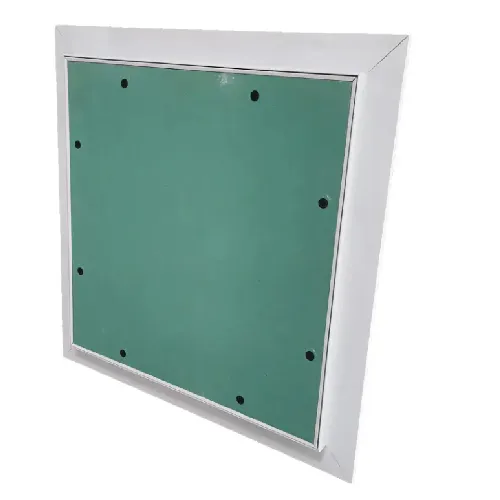
Simply put, the ceiling access panel size is the predefined or custom dimension of an opening within a suspended ceiling, designed to allow service professionals to reach concealed systems — think ductwork, electrical wiring, or plumbing. The size refers either to the panel’s own measurements or the aperture it covers.
This connects directly to modern industry needs because ease of access drives not just efficiency but also adherence to increasingly ambitious building codes and humanitarian infrastructure requirements. As more facilities aim for modularity and quicker upgrades, knowing the right panel dimensions upfront saves headaches downstream.
Key Factors Affecting Ceiling Access Panel Size
1. Durability and Material Quality
Size is one thing, but what your panel is made from matters too. Aluminum and steel panels are popular because they handle wear and tear better. A larger panel demands stronger materials to maintain structural integrity and avoid sagging or warping over time.
2. Accessibility and Maintenance Needs
The bigger the panel, the easier it is to access systems behind it — but oversized panels are heavier, more expensive, and harder to install. Engineers often balance between “just-large-enough” vs. “too big” to optimize.
3. Fire and Safety Ratings
Panels must comply with fire code specifications, which can dictate size limits or require special framing. A panel too big might reduce fire resistance, while too small could obstruct emergency inspections.
4. Cost Efficiency & Installation Speed
Standard sizes (e.g., 24"x24" or 600x600 mm) help cut down manufacturing costs and simplify installation. This predictability also speeds up ordering and replacement processes.
5. Environmental and Sustainability Impact
Smaller panels reduce material footprint, but if replaced more often due to wear, they can have a bigger carbon footprint cumulatively. Sizes aligning with modular ceiling tiles can support green building certifications.
Mini Takeaway:
Balancing size with material strength, compliance, and operational ease is the name of the game.
Real-World Uses of Ceiling Access Panel Size
In healthcare facilities in Europe and North America, strict infection control drives the use of cleanable, flush panels sized to quickly access HVAC filters without compromising sterile environments.
In construction post-disaster zones—think Haiti or parts of Southeast Asia—rapid deployment shelters incorporate ceiling access panels sized to facilitate emergency wiring fixes, often standardized for ease of replacement under duress.
Industrial plants in the Middle East increasingly use panels sized to accommodate robotic maintenance tools, combining ergonomics with automation needs.
Typical Ceiling Access Panel Specifications
| Specification | Common Sizes (inches) | Material Options | Fire Rating |
|---|---|---|---|
| Small Panel | 12 x 12 | Aluminum, Steel, Plastic | None to 30 mins |
| Standard Panel | 24 x 24 | Steel, Aluminum | Up to 60 mins |
| Large Panel | 48 x 24 | Steel, Reinforced Aluminum | Up to 90 mins |
Advantages and Lasting Value of Appropriate Panel Sizes
- Cost savings: Standardization reduces custom manufacturing and installation time.
- Sustainability: Modular, reused panels fit green building goals.
- Safety and compliance: Proper size facilitates inspections and emergency access.
- User confidence: Maintenance staff appreciate easy-to-remove yet sturdy panels.
Frankly, a panel that’s too small or flimsy might cause frustration, delays, even safety risks. I noticed in numerous site visits that teams always pick the “just right” size — not the biggest — because it feels more manageable and reliable.
What’s Coming: Trends and Innovations Shaping Ceiling Access Panel Sizes
We’re looking at lightweight composite materials that allow larger panel sizes without the weight penalty. Digital integrations, such as QR codes on panels, help track maintenance history. Automation and smart buildings push for panels sized for robot access.
Additionally, sustainability trends encourage recyclable panel materials and design for disassembly. Some companies have started offering custom-sizing tools online to optimize based on specific building models.
Vendor Comparison: Popular Ceiling Access Panel Suppliers
| Vendor | Size Options | Material Types | Fire Rating | Price Range |
|---|---|---|---|---|
| PanelPro | 12x12 to 48x48 | Steel, Aluminum, Fiberglass | Up to 90 mins | $$$ |
| AccessEase | Standardized (24x24, 24x48) | Aluminum, Steel | Up to 60 mins | $$ |
| QuickPanel Co. | Custom sizes available | Steel, Composite | Varies by product | $$$ – $$$$ |
Challenges and Solutions in Ceiling Panel Sizing
One big challenge is that many older buildings lack uniform ceiling grids, making standard panel sizes incompatible without costly modifications. Also, balancing fire ratings against size can be tricky.
Experts suggest modular ceiling grids combined with pre-sized panels tailored to infrastructure needs. Some vendors offer adjustable frames to fit irregular openings, reducing retrofit hassles.
Another common issue? Weight. Larger panels are heavy and awkward, so new composites promising strength with lightness are increasingly popular.
FAQs About Ceiling Access Panel Size
- Q: What is the standard size for a ceiling access panel?
- A: Typically, 24x24 inches (600x600 mm) is considered standard, fitting most ceiling tile sizes and allowing convenient access without excessive weight.
- Q: Can I customize ceiling access panel sizes for specialized equipment?
- A: Absolutely. Many suppliers offer custom sizes to fit specific service needs, especially in industrial or healthcare settings.
- Q: How does ceiling access panel size affect fire safety?
- A: Larger panels need proper fire-rated frames and materials to maintain system integrity, as too large or poorly sealed panels can compromise safety barriers.
- Q: Is it costly to standardize panel sizes across multiple buildings?
- A: While some initial expenses occur for retrofitting, standardizing sizes reduces maintenance complexity and long-term costs significantly.
Conclusion: The Long-Term Benefits of Getting Panel Size Right
In real terms, a well-chosen ceiling access panel size harmonizes safety, accessibility, cost, and sustainability. It smooths maintenance, complies with regulations, and even supports green building goals. Not exactly glamorous, sure, but crucial nonetheless.
So, whether you’re designing a new building or upgrading an older one, considering the right panel size upfront pays dividends over time — in fewer headaches, quicker repairs, and peace of mind.
Looking for more detailed info on ceiling access panel size? Visit our website for specs, custom options, and expert guidance.
Mini takeaway: Never underestimate the ceiling access panel size. It’s a small detail with big impact.
References:
-
Benefits and Guide of Mineral Fiber Ceiling Board for InteriorsNewsApr.16,2026
-
Modern Mineral Fiber Ceiling Solutions for Acoustic PerformanceNewsApr.09,2026
-
Mineral Fibre Board Ceiling vs Gypsum Board A Comprehensive Comparison GuideNewsApr.07,2026
-
Comprehensive Guide to Mineral Fiber Ceiling Specification and PerformanceNewsApr.04,2026
-
What Are Mineral Fiber Ceiling Tiles Made Of And Their ApplicationsNewsMar.31,2026
-
Exploring the Benefits of Suspended Mineral Fibre Ceiling Systems for Modern BuildingsNewsMar.28,2026