
Dec . 02, 2025 14:00 Back to list
What is a Ceiling Hatch Key? Essential Tool for Secure Building Access
Understanding the Ceiling Hatch Key: Unlocking Access with Ease
Whether you’re a building manager, an industrial engineer, or just someone curious about everyday yet essential tools, the ceiling hatch key quietly plays a surprisingly pivotal role. At first glance, it may seem like just another metal tool, but the ceiling hatch key holds the key (pun intended) to secure, easy access to hidden spaces above ceilings—spaces that are vital for electrical wiring, HVAC maintenance, or safety inspections.
Globally, managing infrastructure securely and efficiently is more important than ever. Considering that according to the International Organization for Standardization (ISO), building safety standards are rigorously evolving, tools like the ceiling hatch key ensure these standards are met in an easy and consistent way. In this article, we’ll unpack why understanding and using the right ceiling hatch key matters, its core features, and where it finds its place across industries worldwide.
What Is a Ceiling Hatch Key?
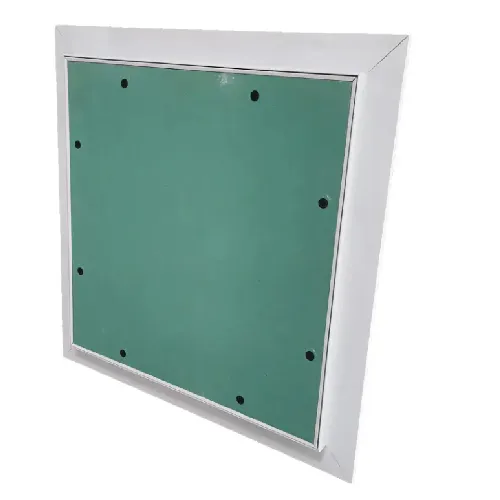
Simply put, a ceiling hatch key is a specialized tool designed to unlock and open ceiling hatches or panels that provide access to ceiling voids. These hatches typically house electrical wiring, pipes, air conditioning ducts, or cabling infrastructure. The key fits into a unique recess or lock on the hatch, enabling someone authorized to open up the panel for maintenance or inspection with ease — and importantly, without damaging the ceiling or lock system.
Beyond residential settings, ceiling hatch keys are vital in commercial, industrial, and institutional contexts. Proper access tools help maintenance teams keep buildings safe and operational, especially in large infrastructures where quick access to hidden systems can save time and minimize disruption.
Key Features & Components of Ceiling Hatch Keys
1. Material Durability
Most ceiling hatch keys are forged from hardened steel or stainless steel, designed to withstand frequent use without bending or rusting. Durability is critical because these keys often live in harsh or dusty environments behind the scenes.
2. Universal Versatility
Many keys come with a multi-purpose design to fit different hatch types—square, triangular, or custom locks. This universality reduces the hassle of carrying multiple keys and streamlines maintenance workflows.
3. Compact and Ergonomic Design
They usually sport a handle or grip for easy turning, often small enough to be on key rings but still offering sufficient torque to open tough locks. Ergonomics matter when an engineer is climbing ladders or maneuvering tight office spaces.
4. Security Considerations
Despite the simplicity, ceiling hatches must remain secure against unauthorized access. Some keys and locks are designed with restricted profiles, preventing duplication and enhancing safety.
Ceiling Hatch Key Specifications Snapshot
| Feature | Specification | Notes |
|---|---|---|
| Material | Stainless Steel, Hardened Steel | Corrosion-resistant, durable |
| Lock Compatibility | Square, Triangular, Custom Profiles | Varies by manufacturer |
| Size | 10-15 cm length typically | Compact for keyrings or toolboxes |
| Security Level | Standard to Restricted | Custom lock profiles for safety |
Global Applications & Real-World Use Cases
Ceiling hatch keys are everywhere—sometimes you just don’t notice until you need one. Building maintenance crews in large office buildings rely on them for routine checks on lighting circuits or HVAC system repairs. Oddly enough, even emergency responders sometimes require access through ceiling hatches in complex layouts, though usually only in unique circumstances.
In regions like Europe and North America, where ISO safety standards influence building codes, having standardized hatch keys ensures consistent operations. In post-disaster relief efforts, quick access to utilities hidden behind ceilings can be a lifesaver—for example, NGOs restoring power or water lines after floods in Southeast Asia rely on reliable access tools to minimize delays.
Vendor Comparison: Popular Ceiling Hatch Key Suppliers
| Vendor | Material Quality | Key Types Supported | Price Range (USD) | Global Shipping |
|---|---|---|---|---|
| Xingyuan Ceilings | High-grade stainless steel | Square, Triangular, Custom | $15–$25 | Yes |
| SecureAccess Tools | Hardened steel alloy | Square, Triangular | $12–$20 | Limited |
| LockMaster Supplies | Stainless steel (standard) | Triangular only | $10–$18 | Yes |
Why Invest in a Quality Ceiling Hatch Key? Advantages & Value
- Safety & Security: Protects sensitive infrastructure by preventing unauthorized access.
- Efficiency: Speeds up maintenance, reducing downtime in commercial buildings.
- Durability: Longer-lasting tools mean less replacement hassle and cost.
- Cost-Effectiveness: Avoid expensive repairs due to forced entry or damaged hatches.
- Peace of Mind: Confidence that access points are secure but manageable when needed.
Frankly, the ceiling hatch key feels like a small investment with outsized returns—especially when you consider the risk of damage or delays without the right tool on hand.
Emerging Trends & Innovations
Manufacturers are increasingly exploring eco-friendly materials and ergonomic designs. Some new keys incorporate lightweight composites without sacrificing strength. Digital innovations, including RFID-enabled keys, are also being tested to track tool use and restrict access digitally — helping with building security protocols.
Green building initiatives encourage sustainable materials, so expect more stainless steel blends with recycled content and longer product lifecycles. Automation technologies might one day integrate smart ceiling hatch openers operated via secure apps. For now, though, the simplicity of the traditional ceiling hatch key remains indispensable.
Challenges & Practical Solutions
One real snag is compatibility — some older buildings have custom hatch locks that require unique keys. This can complicate logistics for maintenance teams. The solution? Vendors offering custom key fabrication or multi-type keys tailored to client building profiles.
Another challenge is security; if keys are lost or copied, access control is compromised. Using restricted-profile keys and logging protocols can mitigate this risk. Some facilities employ lock cylinders with serial-number control to track key issuance better.
FAQ: Frequently Asked Questions About Ceiling Hatch Key
- What types of ceiling hatches require a specialized key?
- Most ceiling hatches that are lockable to prevent unauthorized access require a ceiling hatch key. These can range from square to triangular locks or more unique profiles depending on the manufacturer or building specifications.
- How do I know which ceiling hatch key fits my building?
- It’s best to consult your building’s maintenance documentation or contact your hatch supplier. If unsure, many companies, like Xingyuan Ceilings, can provide multi-type keys or perform custom fitting services.
- Can ceiling hatch keys be duplicated easily?
- Standard keys can sometimes be copied, but restricted-profile or patented keys are much harder to duplicate without authorization. This helps maintain security and control over access.
- Are modern ceiling hatch keys environmentally friendly?
- Many newer keys use recyclable metals and are built for long-term use to reduce waste. Some manufacturers are exploring non-metal composites, but steel remains the dominant and most sustainable choice.
- How often should ceiling hatch keys be replaced?
- Generally, if there’s visible wear, difficulty turning, or security upgrades to the building, it’s time to replace the keys. Regular inspections during maintenance cycles help avoid unexpected failures.
Conclusion: Secure and Simple Access for a Complex World
In the end, the humble ceiling hatch key is an example of a specialized tool solving a very urban problem: controlled access to vital but invisible infrastructure. It offers a blend of security, durability, and convenience that underpins the smooth operation of buildings large and small, industries spanning from healthcare to manufacturing, and disaster relief scenarios worldwide.
To explore trusted, durable options that suit your specific needs, visit our website and discover how a small key can unlock big possibilities.
Mini Takeaway: The right ceiling hatch key isn’t just a tool—it’s a frontline safeguard and an efficiency booster that quietly supports everyday operations, proving that sometimes the smallest tools have the biggest impact.
References
-
Benefits and Guide of Mineral Fiber Ceiling Board for InteriorsNewsApr.16,2026
-
Modern Mineral Fiber Ceiling Solutions for Acoustic PerformanceNewsApr.09,2026
-
Mineral Fibre Board Ceiling vs Gypsum Board A Comprehensive Comparison GuideNewsApr.07,2026
-
Comprehensive Guide to Mineral Fiber Ceiling Specification and PerformanceNewsApr.04,2026
-
What Are Mineral Fiber Ceiling Tiles Made Of And Their ApplicationsNewsMar.31,2026
-
Exploring the Benefits of Suspended Mineral Fibre Ceiling Systems for Modern BuildingsNewsMar.28,2026