
Dec . 02, 2025 03:00 Back to list
What Is a Drywall Ceiling Hatch? Definition, Benefits & Global Applications
Understanding Drywall Ceiling Hatch: A Key Component for Modern Building Access
Drywall ceiling hatches might not be the first thing you think of when talking about building construction or renovation, but they play a surprisingly vital role in everyday building access and maintenance. Globally, as buildings grow taller and mechanical systems more complex, having a reliable, easy-to-install, and secure access point into ceilings is essential. This isn’t just about convenience; it touches on safety, efficiency, and even aesthetics.
In this article, we'll explore what a drywall ceiling hatch is, why it matters more than you might expect, and the key benefits of using it in modern construction. Whether you’re a facility manager, architect, or just curious about building components, understanding this simple but important feature will broaden your view on building functionality.
Introduction: The Global Context of Drywall Ceiling Hatch
Across the globe, commercial and residential construction continues to rise — the United Nations estimated that by 2050, 68% of the world’s population will live in urban areas (UN, 2018). With urban density increasing, buildings are becoming more technically intricate. This complexity requires better access solutions inside structures, especially in ceilings where HVAC systems, wiring, and plumbing hide away.
The drywall ceiling hatch is a straightforward yet crucial component addressing this challenge. It provides maintenance teams the ability to reach these concealed systems without damaging ceilings or causing disruptions. According to the International Organization for Standardization (ISO), maintenance efficiency is a growing focus in building design standards, promoting access solutions like these hatches.
Oddly enough, despite its modest presence, poor ceiling access can lead to costly repairs and safety hazards — think emergency electrical fixes delayed due to inaccessible ceiling space. Thus, drywall ceiling hatches help solve a subtle but critical problem worldwide.
What Is a Drywall Ceiling Hatch?
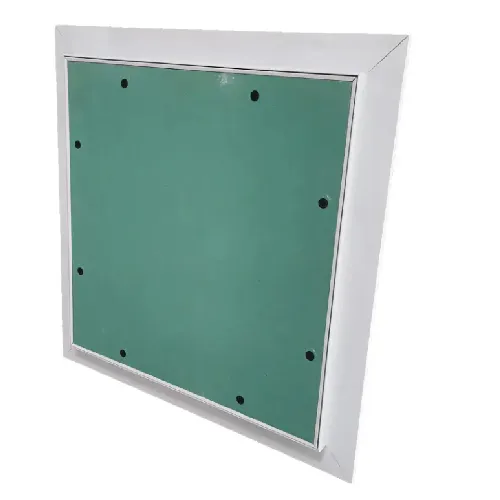
Simply put, a drywall ceiling hatch is a panel built into a ceiling designed to be removable or openable, providing access to the area above, often hidden by drywall finishes. Typically made from metal or gypsum board framing, hatches blend seamlessly into the ceiling, preserving aesthetics while enabling easy service access.
These hatches are linked to modern industry needs — allowing quick, clean, and secure access to pipes, fire suppression systems, or electrical wiring behind ceilings. Humanitarian efforts too can benefit, as in rapid construction shelters where maintenance access needs balance with speed of deployment.
Core Components of a Drywall Ceiling Hatch
1. Durability
Drywall ceiling hatches must withstand frequent opening and closing without warping or damage. Materials typically include powder-coated steel frames and reinforced drywall panels to resist wear and moisture.
2. Ease of Installation
The hatch must integrate smoothly with drywall ceilings. Many come as pre-framed kits that installers can fit quickly, reducing labor time on site — a big productivity plus.
3. Fire and Smoke Rating
Certain models adhere to fire safety codes, with fire-resistance ratings up to 1 or 2 hours, crucial in commercial buildings for compliance and safety.
4. Security and Concealment
A quality drywall ceiling hatch stays flush with the ceiling surface and often includes latches or locks, balancing accessibility with security. This reduces risks of unauthorized access or accidental damage.
5. Cost Efficiency
Affordable price points combined with reduced maintenance and installation cost make these hatches a smart choice, especially for large-scale commercial projects.
| Specification | Details |
|---|---|
| Material | Steel frame with drywall panel |
| Sizes | 12" x 12" up to 48" x 48" |
| Finish | Paintable white primer |
| Fire Rating | Up to 2 hours (varies by model) |
| Installation Type | New construction or retrofit |
Global Applications & Use Cases
Drywall ceiling hatches have found practical roles in many parts of the world:
- North America & Europe: Widely adopted in office complexes, hospitals, and schools, where regular HVAC and electrical maintenance is critical for smooth operations.
- Asia-Pacific Industrial Zones: Factories and warehouses use these hatches to access complex machinery and piping, aiding in quick troubleshooting.
- Post-Disaster Relief Shelters: A niche but growing application where modular, pre-installed drywall ceiling hatches allow quick infrastructure checks in temporary housing.
Even certain NGOs have started specifying drywall ceiling hatches in their rapid deployment shelters to ensure easy access to water, power, or communication systems.
Advantages & Long-Term Value
Drywall ceiling hatches bring a number of benefits worth noting:
- Cost-effective maintenance: Avoid costly ceiling repairs caused by tearing drywall for access.
- Increased safety: Allows quick emergency access to electrical/fuel lines, improving occupant safety.
- Clean aesthetics: Offer a neat, flush finish that doesn’t disrupt building design.
- Environmental sustainability: Many hatches are constructed with recyclable materials, fitting into green building paradigms.
On an emotional note, having reliable access points contributes to building trust between building operators, tenants, and maintenance crews. There’s something reassuring about knowing those hidden systems are never truly out of reach.
Future Trends & Innovations
The drywall ceiling hatch market is not static. Innovations include:
- Smart hatches: Integrated sensors that monitor hatch status — open or closed — remotely.
- Eco-materials: Use of recycled steel and low-VOC finishes to reduce environmental impact.
- Automation-friendly designs: Hatches compatible with robotic maintenance systems in advanced facilities.
Challenges & Solutions
Like anything, drywall ceiling hatches have limitations. Challenges include:
- Installation discrepancies: Some installers still struggle with precise framing leading to warped finishes.
- Limitations on size and weight: Larger hatches risk sagging or breaking if not properly supported.
The good news? Many manufacturers provide detailed installation guides, pre-framed units with built-in reinforcements, and on-site training to reduce these problems. It really comes down to choosing quality products and proper installation techniques.
| Vendor | Material Quality | Fire Rating | Installation Support | Price Range |
|---|---|---|---|---|
| Xingyuan Ceilings | Premium steel &board | Up to 2 hours | Comprehensive guides & training | Mid to High |
| Generic Vendor A | Standard steel frame | 1 hour typical | Basic manuals only | Low to Mid |
| Vendor B | Lightweight aluminum | No rating | Limited support | Low |
FAQ: Frequently Asked Questions About Drywall Ceiling Hatch
Q1: How do I choose the right size drywall ceiling hatch?
The size depends on the access needed. For simple inspections, a 12"x12" might suffice. For equipment maintenance, larger sizes up to 48"x48" are typical. Always consider what's above your ceiling and consult manufacturer specs.
Q2: Can drywall ceiling hatches be used in fire-rated walls?
Yes, many drywall ceiling hatches are specifically rated for fire resistance, often up to 2 hours. Ensure the product’s fire rating matches your building code requirements.
Q3: Are these hatches easy to paint and customize?
Absolutely. Most come with a primer finish ready to accept paint, so the hatch blends seamlessly with your existing ceiling color or texture.
Q4: How long do drywall ceiling hatches typically last?
With regular use and proper installation, they can last decades, though wear from heavy usage might warrant occasional replacement.
Conclusion
The humble drywall ceiling hatch may seem small, but it packs a powerful punch in building maintenance and safety. By offering reliable, discreet ceiling access, it saves time, cuts repair costs, and ensures operational smoothness in buildings worldwide. If you’re looking to upgrade your ceiling access solutions, drywall ceiling hatch products from experienced vendors are a great place to start. In the end, it’s these practical details that keep our modern built environments running quietly and safely.
Quick takeaway: Never underestimate how a well-chosen drywall ceiling hatch can simplify maintenance — it’s a small investment with lasting benefits.
References:
1. United Nations, World Urbanization Prospects (2018 Edition)
2. International Organization for Standardization (ISO) Building Maintenance Standards
3. Wikipedia, Ceiling Hatch
-
Benefits and Guide of Mineral Fiber Ceiling Board for InteriorsNewsApr.16,2026
-
Modern Mineral Fiber Ceiling Solutions for Acoustic PerformanceNewsApr.09,2026
-
Mineral Fibre Board Ceiling vs Gypsum Board A Comprehensive Comparison GuideNewsApr.07,2026
-
Comprehensive Guide to Mineral Fiber Ceiling Specification and PerformanceNewsApr.04,2026
-
What Are Mineral Fiber Ceiling Tiles Made Of And Their ApplicationsNewsMar.31,2026
-
Exploring the Benefits of Suspended Mineral Fibre Ceiling Systems for Modern BuildingsNewsMar.28,2026